
As the global scientific community intensifies its search for a cure for Parkinson’s disease, a complex and highly competitive landscape has emerged in the field of regenerative medicine. Parkinson’s disease, a progressive movement disorder, is primarily characterized by the loss of dopaminergic neurons in the substantia nigra, leading to a critical deficiency in dopamine production. Current research is increasingly focused on stem cell therapies as a potential restorative treatment, with international teams vying to translate laboratory breakthroughs into viable clinical applications.
The race to develop effective stem cell-based interventions for Parkinson’s disease represents a significant frontier in modern biotechnology. According to the World Health Organization, the prevalence of Parkinson’s has doubled in the past 25 years, underscoring the urgent medical need for therapies that address the underlying neurodegeneration rather than merely managing symptoms. As researchers navigate the rigorous requirements of clinical trials, the global biotech sector is closely monitoring advancements in cell manufacturing, safety protocols, and long-term efficacy studies.
Understanding the Mechanism of Stem Cell Therapy in Parkinson’s
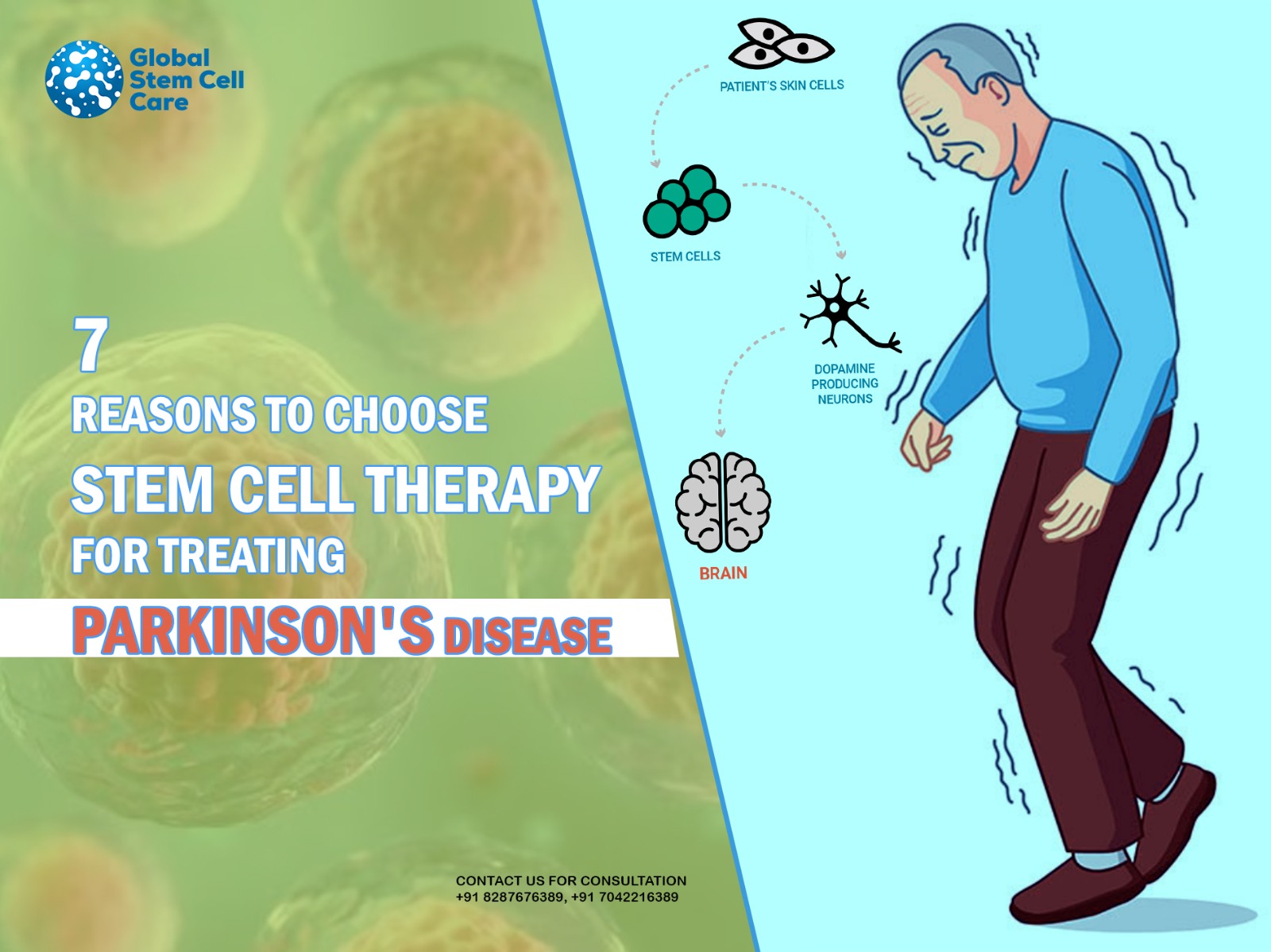
The core objective of stem cell research in the context of Parkinson’s is to replace the specialized neurons that have been lost or rendered dysfunctional due to the disease. By utilizing induced pluripotent stem cells (iPSCs) or embryonic stem cells, scientists aim to create healthy dopaminergic neurons that can be transplanted into the brain. Once integrated, these cells are expected to restore the brain’s natural ability to produce dopamine, thereby alleviating motor symptoms such as tremors, rigidity, and bradykinesia.
The technical challenges are immense. Researchers must ensure that the transplanted cells not only survive the hostile environment of the diseased brain but also mature correctly and form the precise synaptic connections required for normal function. The risk of tumor formation or immune rejection remains a primary concern for regulatory bodies like the U.S. Food and Drug Administration (FDA), which maintains strict oversight on all cell-based investigational products. Achieving therapeutic success requires a high degree of precision in cell differentiation protocols and stringent quality control during the manufacturing process.
Global Competition and Regulatory Landscapes
While the potential for stem cell therapy is immense, the path to market is governed by regional regulatory frameworks and ethical considerations. The development timeline for such therapies is often extended by the need for multi-phase clinical trials, which are designed to verify safety and efficacy in human subjects. These trials are essential for establishing the long-term viability of cell transplants and are conducted under the supervision of national health authorities.

In the United States, the National Institutes of Health (NIH) continues to support extensive research into the molecular mechanisms of Parkinson’s, emphasizing the importance of rigorous, peer-reviewed data. The international scientific community acknowledges that while preliminary results from various trials have been promising, the transition from successful animal models to human clinical success remains a high-stakes endeavor. Collaboration across borders is common, yet the drive to secure intellectual property and establish clinical leadership remains a primary motivator for biotech firms and academic institutions worldwide.
Clinical Trial Milestones and Future Outlook
The pace of development in stem cell therapy is often measured by the transition of candidate treatments from preclinical research to human clinical trials. These trials, categorized into phases, are designed to monitor patient outcomes over several years. As reported by the Michael J. Fox Foundation for Parkinson’s Research, data transparency and patient safety are the pillars upon which the success of these emerging therapies rests. Any claim of “pacing” the competition must be evaluated against the standard of peer-reviewed publications and the official registries of clinical trials.
For patients and their families, the focus remains on the reliability of these advancements. The scientific community emphasizes that while the field is moving forward, it is essential to distinguish between experimental procedures and clinically validated treatments. As we look toward the remainder of 2026, the industry expects further data readouts from ongoing global trials, which will provide a clearer picture of how these stem cell therapies perform in diverse patient populations.
Key Considerations for the Biotech Sector
The investment and development landscape for Parkinson’s treatments is influenced by several critical factors:
- Manufacturing Scalability: The ability to produce high-quality, clinical-grade neurons at scale is a significant hurdle for commercialization.
- Regulatory Alignment: Harmonizing clinical trial standards across international jurisdictions remains a priority for global biotech collaboration.
- Patient Safety Monitoring: The necessity for long-term longitudinal studies to observe the survival and functional stability of transplanted cells.
- Economic Viability: Balancing the high cost of personalized cell therapy research with the ultimate goal of accessible treatment for patients.
As the sector moves forward, the focus will likely remain on the refinement of these therapies. Scientific progress in this domain is rarely a linear race but rather a collaborative and cumulative effort, where each phase of research builds upon the failures and successes of the past. The industry is currently awaiting further updates from major international clinical trial registries regarding the progress of current stem cell cohorts, which are expected to shed light on the durability of these interventions.
We invite our readers to share their thoughts on the future of regenerative medicine and its impact on neurodegenerative disease research. For those interested in following the latest updates, the ClinicalTrials.gov database remains the most authoritative source for tracking the status of ongoing human studies globally.
Related reading