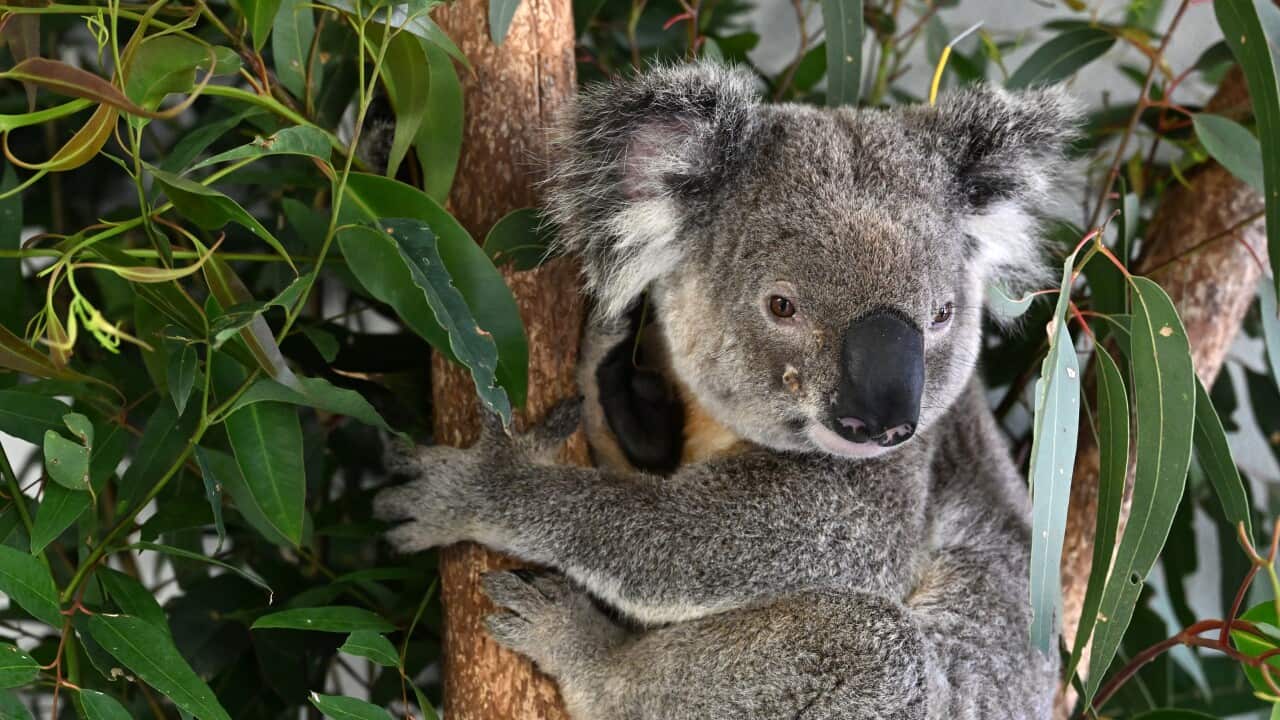
Koala Chlamydia Vaccine: A Breakthrough for endangered populations & Potential Human applications
A newly approved vaccine offers a beacon of hope for australia’s vulnerable koala populations, battling a devastating chlamydia epidemic. This scientific advancement not only addresses a critical threat to the species’ survival but also holds promising implications for future human chlamydia vaccines.
The Chlamydia Crisis Facing Koalas
Koalas, already facing important challenges from habitat loss and vehicle collisions, are increasingly threatened by chlamydia. This sexually transmitted infection manifests in koalas with notably severe consequences, including:
Blindness: A common and debilitating symptom.
Pneumonia: Leading to respiratory distress and potential fatality. Reproductive Issues: Causing infertility and impacting population growth.
urinary Tract Infections: Contributing to overall health decline.
Chlamydia now affects over 50% of koala populations across Australia, making it one of the primary drivers of their endangered status.
A Decade of research Culminates in Vaccine Approval
Researchers at the University of the Sunshine Coast dedicated over ten years to developing a single-use chlamydia vaccine specifically tailored for koalas. This rigorous process has now resulted in approval from the Australian Pesticides and Veterinary Medical Authority.Professor peter Timms, from the university’s centre for Bioinnovation, emphasizes the urgent need for this intervention: “Chlamydial disease affects 50 per cent or more of all koala populations, so we need a new tool.”
Proven Efficacy: 10 Years of Positive Results
Extensive field studies conducted over the past decade demonstrate the vaccine’s effectiveness. Results show:
Reduced Disease Rates: Vaccinated koala populations exhibited substantially lower instances of chlamydia infection.
Improved Health Outcomes: Particularly noticeable in koalas of breeding age, leading to increased reproductive success.
Rollout Plan: Protecting Koalas in the Wild
The vaccine rollout is anticipated to begin in early 2026. The initial phase will focus on administering the vaccine to koalas receiving care in wildlife hospitals.Following this, efforts will expand to include wild koala populations.
The Link Between Stress,Habitat loss & Disease
Researchers have observed a strong correlation between environmental stressors and increased chlamydia outbreaks in koalas. Factors contributing to this vulnerability include:
Habitat Loss: Fragmentation of koala habitats increases stress and facilitates disease transmission.
Bushfires: Traumatic events that weaken immune systems.
Drought: Leading to nutritional deficiencies and increased susceptibility to infection.
In regions like northern New South wales, chlamydia infection rates have surged from very low levels to nearly 80% due to these compounding pressures. While the vaccine offers immediate protection, Professor Timms stresses that habitat preservation remains paramount. “The problem with trees is that it takes a long time for them to grow,whereas a vaccine for chlamydial treatment can work promptly.”
Potential Implications for human Chlamydia Vaccines
The breakthrough in koala chlamydia vaccination isn’t limited to animal health. The World Health Association estimates over 128 million new chlamydia infections occur globally each year among individuals aged 15-49.
Professor Timms highlights the potential for cross-species learning: “The rest of the world is interested in what we’re doing in the koala space,so there’s lessons to be learned from a koala vaccine that could be translated across to vaccines in humans as well.” The unique immunological aspects of chlamydia infection in koalas may provide valuable insights for developing more effective human vaccines.
Sources:
SBS News: https://www.sbs.com.au/news/article/chlamydia-threat-facing-victorian-koalas/i5kvtiwuq