
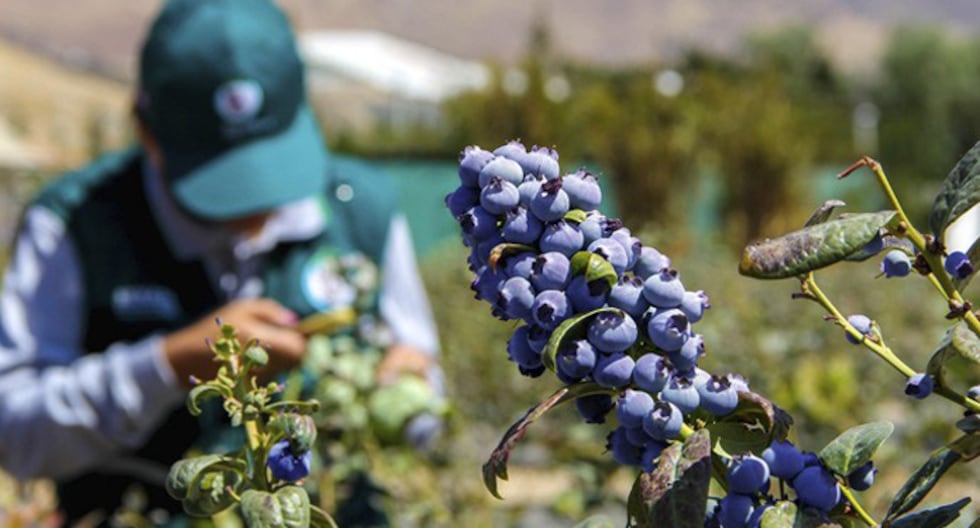
Peru’s blueberry industry, often referred to as the “blue gold” of the nation’s agricultural sector, is currently characterized by a high degree of market concentration, with just five major companies accounting for more than 50% of total exports. This concentration reflects the capital-intensive nature of the crop and the professionalization of the country’s coastal desert regions into production hubs.
The consolidation of the sector comes as Peru solidifies its position as an exporter of fresh blueberries. The country reached a milestone by exporting approximately 383,000 tons of the fruit. This output underscores the resilience of the Peruvian agro-export model, which has transformed arid desert landscapes into agricultural centers.
Drivers of Market Concentration
The dominance of a small group of firms in the Peruvian blueberry market is largely attributed to the high barrier to entry regarding infrastructure and technology. Large-scale operations require substantial investment in precision irrigation systems, specialized nursery genetics, and sophisticated cold-chain logistics to maintain fruit quality during long-distance shipping.
The competitive advantage is held by firms capable of managing large-scale landholdings that allow for economies of scale. While smaller producers exist, the top-tier exporters control the majority of the export volume due to their established global distribution networks and ability to meet the stringent phytosanitary requirements of international retailers.
Strategic Expansion and Production Milestones
The growth of the sector is not limited to the established top five. Mid-sized companies are increasingly scaling their operations to capture a larger share of the global demand. For instance, Inka’s Berries has publicly announced projections to exceed 1,000 containers of blueberry exports, reflecting a broader industry trend toward expanding planted acreage and diversifying varietal portfolios to extend the production window.
The industry’s evolution is also tied to the adoption of new, higher-yielding varieties that are more resistant to climate fluctuations. The shift toward proprietary genetics has been a primary factor in maintaining Peru’s export competitiveness. By transitioning away from older, less productive varieties, these top companies have managed to maintain volume growth even when faced with adverse weather conditions.
Impact on the Global Market
Peru’s emergence as a force in the global blueberry trade has fundamentally altered pricing dynamics in the Northern Hemisphere. During the peak of the Peruvian season, the influx of high-quality, cost-competitive fruit has shifted the supply curve, benefiting consumers in the United States and Europe.
However, this concentration has also sparked discussions regarding market volatility. Because a small number of firms control the majority of the supply, any operational disruption—such as a logistics strike, port congestion, or extreme weather event—can lead to significant fluctuations in global market prices. Industry analysts emphasize that the sustainability of this model depends heavily on the continued investment in water management, as the coastal regions where these blueberries are grown remain highly sensitive to water scarcity.
What Lies Ahead for the Industry
The next major checkpoint for the Peruvian blueberry sector will be the release of the mid-year export projections. As industry leaders adjust to shifting climate patterns and evolving consumer preferences for specific fruit sizes and flavors, the focus remains on maintaining market share in an increasingly competitive landscape.
The focus for the coming months is on strengthening logistics infrastructure and exploring new markets in Asia to reduce dependence on traditional trade routes. As these companies continue to navigate the complexities of global trade, observers will be watching closely to see if the current market concentration holds or if new, smaller players can successfully disrupt the existing hierarchy. We encourage readers to share their thoughts on the future of global agricultural trade in the comments section below.