
The digital media landscape is undergoing a significant shift as “Seen” (سين), a specialized production platform, gains traction in the burgeoning sector of micro-drama content. This format, characterized by high-intensity, short-form storytelling, is reshaping how audiences interact with scripted entertainment on mobile devices. Industry stakeholders, including producer Said Fannianos, have pointed to the rising demand for concise, episodic narratives as a catalyst for this evolution in content strategy.
Micro-dramas are defined by their brief episode runtimes—typically ranging from one to three minutes—designed specifically for vertical viewing on platforms like Instagram, TikTok, and dedicated streaming applications. Unlike traditional television production, which relies on long-form narrative arcs, micro-drama production prioritizes pacing, immediate hooks, and high-frequency content delivery to maintain viewer retention in a saturated digital market.
The Mechanics of Micro-Drama Production
The transition toward micro-drama represents a departure from conventional broadcast standards. According to industry analyses, the primary objective of this format is to maximize “watch time” through rapid-fire storytelling that avoids the slow exposition common in traditional dramas. Successful production houses are increasingly utilizing data analytics to track user drop-off points, allowing creators to refine their scripts for maximum engagement.

Said Fannianos, a key figure in the development of these content strategies, has highlighted that the success of this model hinges on a “hook-first” approach. By placing the most compelling conflict within the first ten seconds of a clip, producers can effectively combat the high attrition rates associated with infinite-scroll social media feeds. This methodology aligns with broader shifts in digital media consumption, where attention spans are increasingly segmented across multiple platforms.
Market Growth and Audience Behavior
The rise of platforms focusing on short-form narrative content is not an isolated trend but part of a global movement toward mobile-first entertainment. Market researchers have observed that younger demographics—specifically Gen Z and Millennials—are increasingly prioritizing “snackable” content that fits into shorter intervals of time. This behavioral shift has forced traditional production entities to reconsider their distribution models to include vertical, short-form video alternatives.

Data from recent industry reports indicates that mobile-first video platforms are seeing substantial year-over-year growth in user acquisition. This trend is supported by advancements in mobile connectivity and the widespread adoption of high-speed data plans, which facilitate the streaming of high-definition short-form content without significant latency. For a comprehensive overview of current digital media consumption trends, readers can refer to the Reuters Technology section, which tracks global shifts in digital entertainment and media distribution.
Strategic Challenges for Content Creators
Despite the potential for rapid audience growth, the micro-drama sector faces significant operational hurdles. Producing high-quality content that adheres to cinematic standards while maintaining a high volume of output requires streamlined workflows and efficient post-production processes. Creators must balance the need for artistic integrity with the relentless demand for daily or weekly content updates to remain relevant in algorithmic ranking systems.
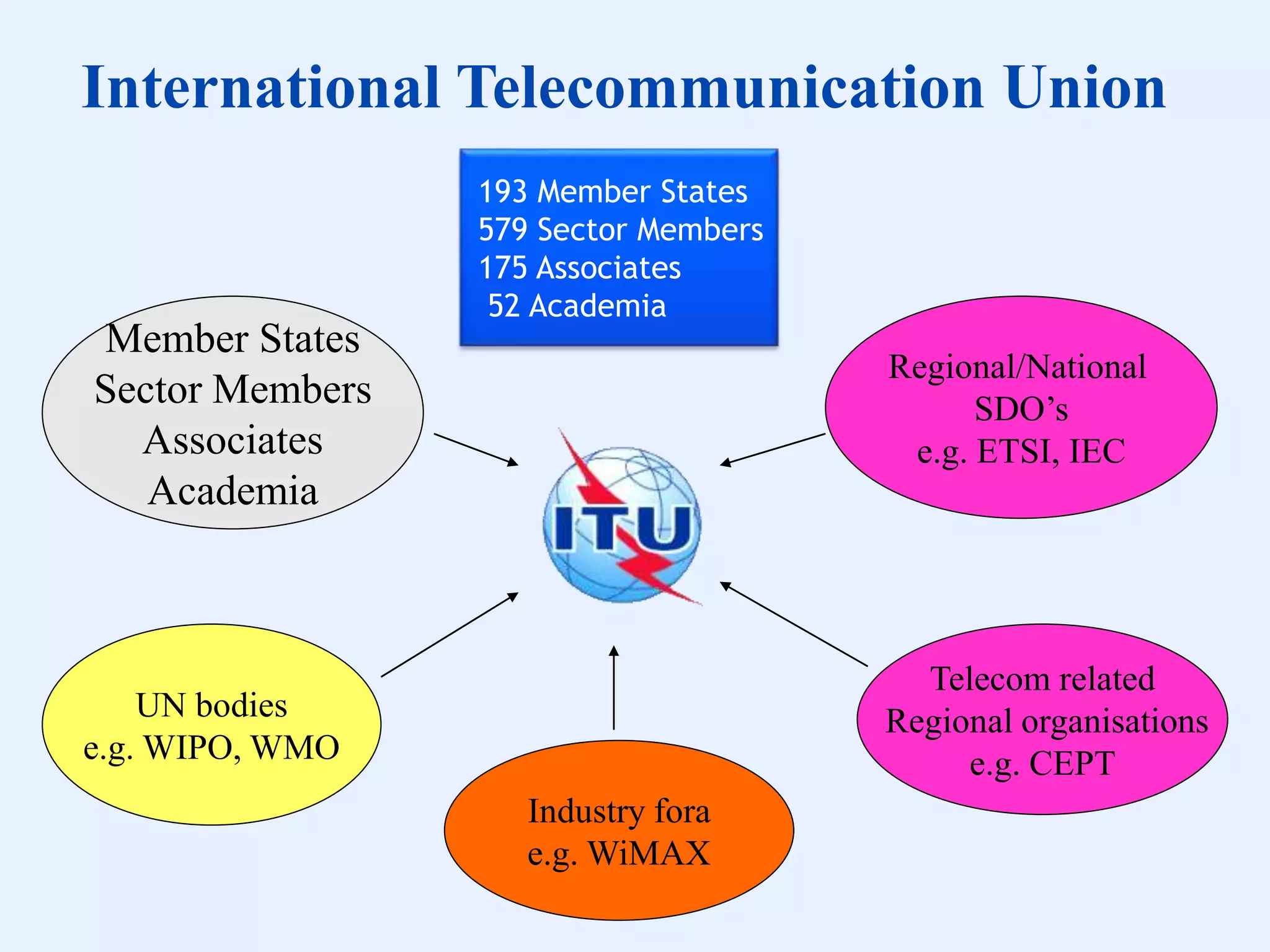
Furthermore, monetization remains a primary concern for independent producers. While ad-supported models are common, many platforms are experimenting with hybrid systems, such as “pay-per-episode” or premium subscription tiers, to ensure sustainable revenue growth. The legal and regulatory environment for these platforms also remains in flux, as government bodies globally continue to evaluate how digital content regulations apply to emerging media formats. For updates on international digital media regulations, the International Telecommunication Union (ITU) provides ongoing reports on the standardization and governance of digital communications.
The Future of Episodic Storytelling
As the micro-drama format continues to mature, industry observers expect a move toward more sophisticated narrative structures. Rather than relying solely on sensationalist hooks, production houses are beginning to invest in character-driven stories that span dozens of episodes, creating a sense of continuity that encourages long-term viewer loyalty. This evolution suggests that the line between “social media content” and “professional television” will continue to blur.
The next phase for platforms like “Seen” involves expanding their reach through localized content that addresses specific cultural nuances, ensuring that the micro-drama format remains accessible to diverse global audiences. As these platforms scale, they will likely face increased scrutiny regarding content moderation and the ethical implications of using engagement-driven algorithms to influence viewing habits. Stakeholders are encouraged to monitor official press releases from industry regulatory bodies for updates on how these platforms intend to address privacy and consumer protection in the coming fiscal year.
For those interested in the ongoing developments within the digital production sector, further updates will be available through official industry forums and upcoming media technology conferences scheduled for the next quarter. Readers are encouraged to share their thoughts on the evolution of short-form storytelling in the comments section below.