
As artificial intelligence shifts from passive assistance to autonomous execution, enterprise networks are facing an unprecedented surge in demand. Cisco recently highlighted that the rise of agentic AI—systems capable of performing complex, multi-step tasks at machine speed—is poised to fundamentally reshape global wide area network (WAN) traffic patterns, necessitating significant upgrades to existing infrastructure and security protocols.
For IT leaders and network architects, this transition represents a move away from traditional human-driven web traffic toward high-frequency, inference-heavy communication paths. According to analysis from Cisco, these agentic systems operate at speeds far exceeding human capability, creating “mission critical” communication flows that require robust, reliable connectivity to function without latency or interruption.
Understanding the Shift to Agentic AI Traffic
The core challenge identified by industry experts lies in the fundamental behavior of agentic AI. Unlike standard web transactions, which are often predictable and bursty, autonomous agents perform continuous decision-making and transacting. This behavior forces a re-evaluation of how networks are configured to handle traffic. When agents act on behalf of humans at scale, the network effectively becomes the “nervous system” of the enterprise, requiring a level of responsiveness that legacy infrastructure may struggle to maintain.
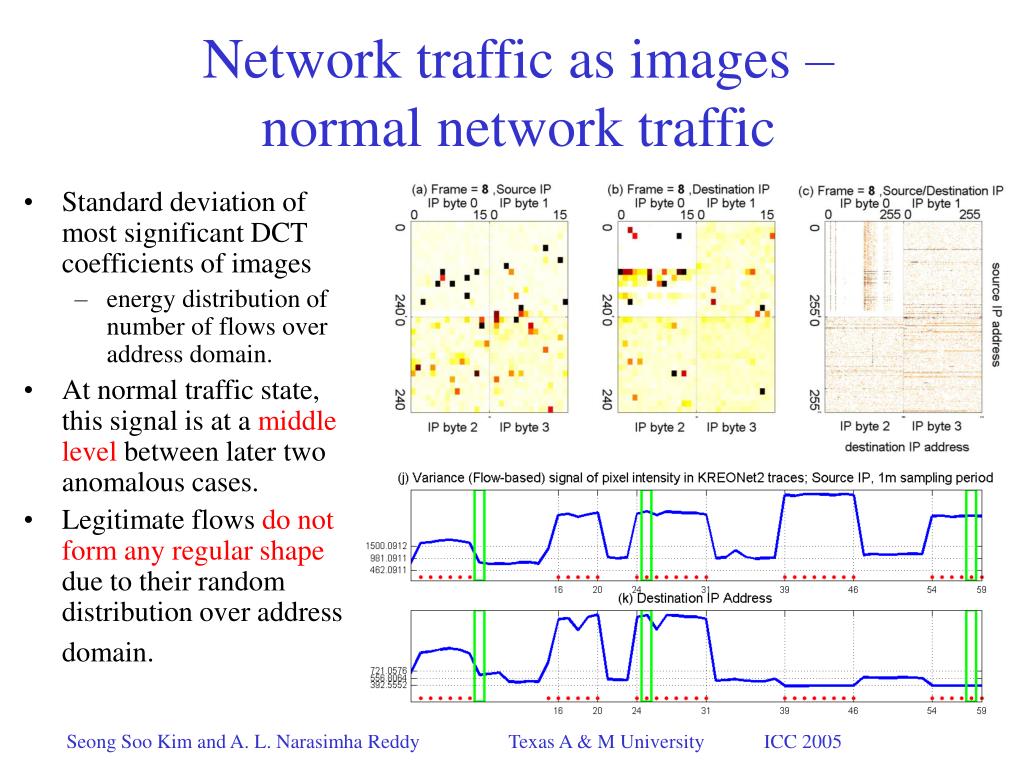
Recent data indicates that the infrastructure requirements for these AI-driven workloads are already changing. The focus is shifting from simple bandwidth capacity to the quality and reliability of communication paths. Because agentic AI relies on rapid inference, even minor network delays can impact the effectiveness of the autonomous agents, making the architectural integrity of the WAN a top priority for corporate technology strategies.
Infrastructure and Security Implications
The integration of autonomous agents into enterprise operations brings two immediate pressures: the need for massive scalability and the hardening of network security. As these agents interact with data centers and cloud resources, they create new vulnerabilities that traditional perimeter-based security may not adequately address. Enterprises are now being urged to look at how their network fabrics can accommodate not just more traffic, but a more complex, machine-speed traffic profile.
Furthermore, the reliance on these systems means that downtime is no longer just a productivity issue; it is a functional failure of the business’s “nervous system.” As enterprises plan their multi-year digital transformation roadmaps, the capacity to handle AI-driven traffic is becoming a primary metric for infrastructure investment. Cisco’s ongoing research into production networks emphasizes that this evolution is not merely a theoretical future concern but a current shift occurring within service provider networks globally.
Preparing for the Next Decade of Connectivity
The transformation of wide area network traffic is expected to continue evolving as AI models become more integrated into business workflows. Organizations are currently evaluating how to balance the need for high-speed, low-latency connectivity with the necessity of maintaining a secure, manageable network environment. For network engineers and IT decision-makers, the immediate task involves establishing a repeatable framework to track how these traffic patterns change over time.
By monitoring empirical data from production networks, companies can begin to adapt their hardware and software solutions to meet the demands of an AI-first era. This proactive approach is essential for preventing bottlenecks that could arise as more agents are deployed across enterprise environments. As the industry moves forward, the focus will remain on ensuring that connectivity can keep pace with the rapid, autonomous decision-making capabilities of modern AI systems.
For those tracking these developments, staying informed on official technical white papers and service provider updates remains the most reliable way to navigate upcoming infrastructure changes. We encourage readers to join the conversation in the comments section below regarding how your organization is preparing its network for the increased demands of autonomous AI agents.
Related reading