
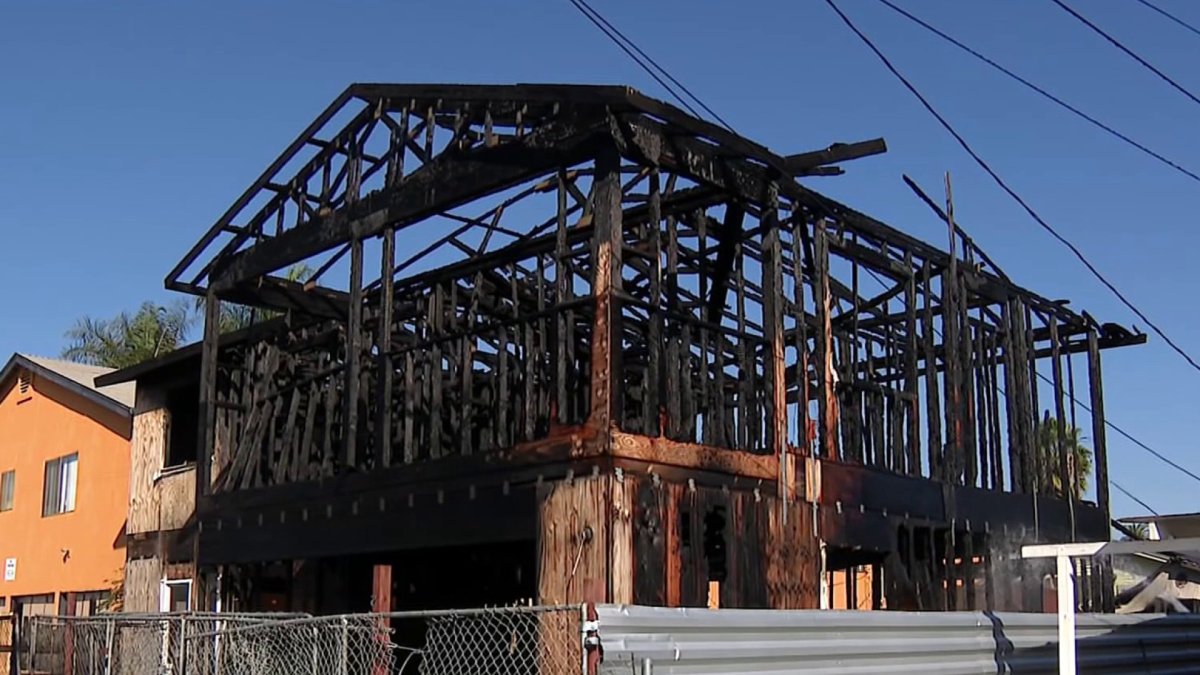
City Heights House fire: A Detailed Report & Construction Site Fire Safety (November 29, 2025)
A rapidly contained house fire struck teh City Heights neighborhood of San Diego today, November 29, 2025, impacting a residential construction project. This incident underscores the critical importance of construction fire safety and highlights the swift response capabilities of the San Diego Fire-Rescue Department (SDFD). This article provides a comprehensive overview of the event, detailing the response, potential causes, and crucial preventative measures for construction sites. We’ll delve into the specifics of this fire, examining the challenges faced by firefighters and the implications for building safety standards in the region.
The Incident: 42nd Street Fire Response
shortly after 12:30 PM PST today,the SDFD received multiple reports of a structure fire in the 4000 block of 42nd Street,situated between University and Polk avenues in City Heights. Upon arrival, firefighters encountered heavy flames and significant smoke emanating from a house under active construction. According to Captain Jason Shanley, Fire Information Officer for the SDFD, crews instantly adopted a defensive strategy, prioritizing containment to prevent the fire from spreading to adjacent residential properties.
Did You Know? Construction sites are notably vulnerable to fires, accounting for an estimated 11% of all structure fires in the US annually, resulting in $316 million in property damage (National Fire Protection Association, 2024 data).
The fire was effectively knocked down within approximately 15 minutes, a testament to the training and efficiency of the responding firefighters. A substantial response was deployed, including five fire engines, one fire truck, a battalion chief, one ambulance, and investigators from the Metro Arson Strike Team – totaling nearly 30 personnel. Fortunately, no injuries were reported. While the structure is likely a total loss, a full damage assessment is pending. Initial reports indicate the majority of the damage is confined to the framing stage of construction.
Investigating the Cause: Arson Strike Team Involvement
The cause of the fire remains under investigation by the Metro Arson Strike Team. While the investigation is ongoing, common causes of fires at construction sites include:
* Electrical Malfunctions: Faulty wiring, overloaded circuits, and improper grounding are frequent culprits.
* Hot Work: Welding, cutting, and grinding operations generate sparks and heat, posing a significant ignition risk.
* Flammable Materials: Improper storage and handling of flammable liquids, paints, solvents, and construction debris contribute to fire hazards.
* Spontaneous Combustion: Oily rags and certain construction materials can self-heat and ignite under specific conditions.
* Arson: While less common, intentional acts of arson cannot be ruled out.
Pro Tip: Implement a “Hot Work Permit” system. This requires a documented risk assessment and safety precautions before any welding, cutting, or grinding activities begin.
The metro Arson Strike Team will meticulously examine the scene, collecting evidence and interviewing witnesses to determine the precise origin and cause of the fire. Their findings will be crucial in preventing similar incidents in the future. Recent data from the San Diego County Fire Authority (November 2025) shows a 15% increase in construction site fires compared to the same period last year, emphasizing the need for heightened vigilance.
Construction Fire Prevention: Best Practices & Regulations
Preventing fires on construction sites requires a proactive and multi-faceted approach. Here’s a breakdown of essential safety measures:
* Site Security: Secure the site to prevent unauthorized access and potential vandalism or arson.
* Flammable Material Management: Store flammable liquids in approved containers, away from ignition sources, and in well-ventilated areas. implement strict controls on the use of flammable materials.
* Electrical Safety: Ensure all electrical equipment is properly grounded and inspected regularly. Use Ground Fault Circuit Interrupters (GFCIs) to protect against electrical shock and fire.
* Hot Work Procedures: As mentioned, a Hot Work Permit system is vital. Provide appropriate fire suppression equipment (fire extinguishers, hoses) and ensure personnel are trained in their use.
* Waste Management: Regularly remove construction debris, especially combustible materials like wood scraps and cardboard.
* Fire Extinguishers: Strategically place and maintain readily accessible fire extinguishers throughout the site.
* emergency Action Plan: Develop and





![Plant-Based Holiday Recipes: Reinventing Traditions | [Year]](https://i0.wp.com/media.ebony.com/sytwmfsyue/uploads/2025/12/19/Photo-1-Cropped-e1766439335936.jpg?resize=330%2C220&ssl=1 "Plant-Based Holiday Recipes: Reinventing Traditions | [Year]")


