The Science Behind Kopi Luwak: Unraveling the Mystery of Civet Coffee
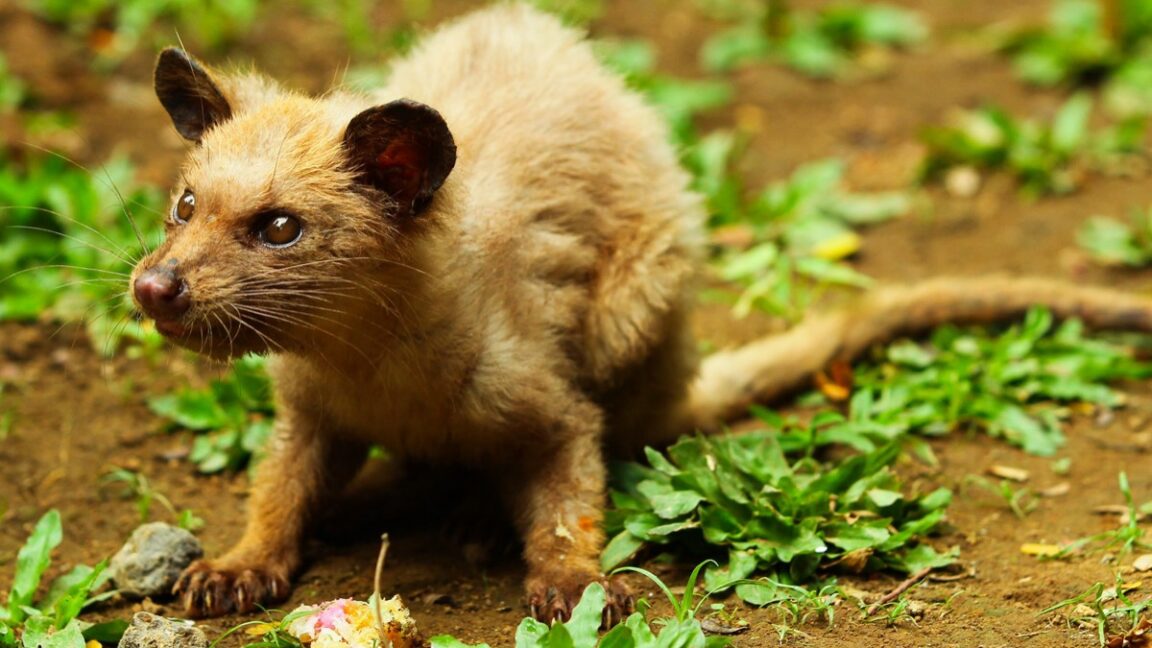
Kopi Luwak, often hailed as the world’s most expensive coffee, derives its unique character from an unusual source: the Asian palm civet. But what exactly makes this coffee so special,and is the hype justified by science? Recent research delves into the chemical composition of kopi Luwak,offering insights into how the civet’s digestive process transforms ordinary coffee beans.
Decoding the Civet Coffee process
The journey of Kopi Luwak begins with the civet consuming ripe coffee cherries. These small, cat-like mammals selectively choose the ripest, sweetest fruits. However, the coffee beans within aren’t digested. Instead,they’re excreted,having undergone a fermentation process within the civet’s digestive tract.
Researchers recently investigated this process in detail, collecting 68 fresh civet scat samples from five sites in Kodagu, India, during peak fruit harvest. They meticulously ensured sample integrity by using gloves and comparing the results to conventionally harvested Robusta coffee berries.
from Scat to Cup: A Detailed Analysis
The research team carefully processed both the scat-derived and conventionally harvested beans. Here’s a breakdown of their methodology:
* Cleaning & preparation: Scat samples were washed to remove fecal matter and any extraneous materials like palm seeds, ensuring only Robusta beans remained.
* Fermentation & Drying: Manually harvested berries underwent natural fermentation before being sun-dried for seven days.
* Processing: Both sets of beans had their hulls removed and were oven-dried for two hours.
* Raw Bean Analysis: Crucially, the beans weren’t roasted, as roasting could mask the inherent chemical differences. Ten distinct samples (five from each collection site) were then ground into powder for analysis.
What Makes Kopi Luwak Different?
The chemical analysis revealed several key distinctions between Kopi Luwak and traditionally produced coffee. You’ll find that civet beans exhibit:
* Higher Fat Content: Specifically, compounds like caprylic acid and methyl esters – known to contribute to aroma and flavor - were more abundant. This is a major factor in Kopi Luwak’s distinctive profile.
* Lower Caffeine, Protein & Acidity: This translates to a less bitter cup of coffee. The civet’s digestive process naturally reduces acidity.
* Altered Volatile Compounds: Certain volatile organic compounds common in standard coffee were significantly reduced or absent in the civet samples.
Essentially, the fermentation within the civet’s gut alters the bean’s chemical makeup, creating a unique flavor profile. The study confirms that civet coffee is chemically different, primarily due to this fermentation process.
The Role of the Gut Microbiome
Interestingly, the research highlights the potential role of the civet’s gut microbiome. Further investigation is needed to fully understand how these microorganisms contribute to the fermentation process and the resulting coffee characteristics. You can expect more research in this area as scientists explore the complex interplay between civet digestion and coffee chemistry.
Future Research & Considerations
The authors recommend expanding this research in several ways. This includes:
* Roasted Sample Analysis: Studying roasted beans will provide a more realistic assessment of the final product’s flavor.
* Variety Exploration: Investigating different coffee varieties beyond Robusta.
* Farm Diversity: Sampling beans from a wider range of farms and ecological conditions.
* Environmental Factors: Examining the influence of canopy cover and wild trees on coffee bean composition.
This research, published in Scientific Reports (DOI: 10.1038/s41598-025-21545-x), provides a solid scientific foundation for understanding the unique qualities of Kopi Luwak. While the price tag remains high, the science suggests there’s a genuine chemical basis for its distinctive flavor and aroma.