Building on the Legacy: A Call to Action for Today’s Challenges
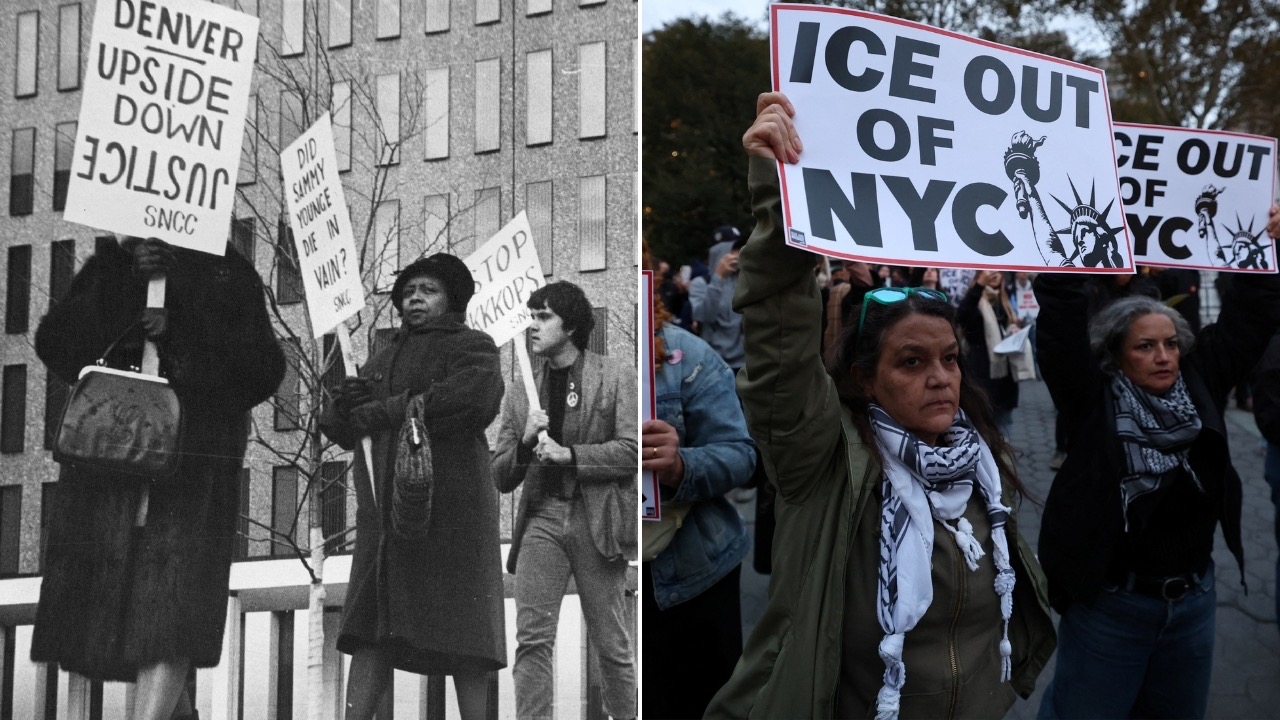
The fight for justice is never truly over. It evolves, adapts, and demands continuous engagement from each new generation. Recently, a compelling conversation explored the vital connections between the Civil Rights Movement of the past and the struggles we face today – from combating rising authoritarianism to challenging unjust immigration policies.
This discussion highlighted the enduring relevance of the Student Nonviolent Coordinating committee (SNCC) and the lessons embedded within its history. It underscored the importance of intergenerational collaboration in building a more equitable future.
The Echoes of History
Many of the tactics used to suppress voting rights and maintain systemic inequality in the 1960s are resurfacing in new forms. Understanding this past context is crucial for effectively addressing contemporary challenges. You need to recognize patterns to disrupt them.
Here’s what’s at stake and how we can learn from the past:
* Suppression Tactics: Attempts to restrict voting access, notably for marginalized communities, mirror strategies employed during the Jim Crow era.
* rise of Extremism: The resurgence of white supremacist ideologies and hate groups echoes the resistance faced by civil rights activists decades ago.
* Immigration injustice: Harsh immigration policies and the separation of families bear a disturbing resemblance to historical injustices.
The Power of Intergenerational Dialog
One key takeaway from the conversation was the power of bringing together different generations to share experiences and strategies. Younger activists can learn from the wisdom and resilience of those who fought in the Civil Rights Movement. Conversely, seasoned activists can gain fresh perspectives and energy from the passion of younger generations.
I’ve found that these dialogues are not simply about sharing information. They’re about building relationships, fostering mutual respect, and creating a unified front for change.
Organizing for the Future
Building a successful movement requires more than just recognizing the problems. It demands strategic organizing, sustained commitment, and a willingness to challenge the status quo. Here are some essential elements:
* Grassroots Organizing: Focus on building power from the ground up,empowering local communities to lead the change.
* Nonviolent Direct Action: Employ strategic nonviolent tactics to disrupt unjust systems and raise awareness.
* Political Education: Equip yourself and others with the knowledge and understanding needed to analyze and address systemic issues.
* Coalition Building: Forge alliances with diverse groups and organizations to amplify your impact.
A Call to Action
The challenges we face today are significant, but they are not insurmountable. You have the power to make a difference. Here’s how you can get involved:
* Educate Yourself: Delve into the history of the Civil Rights Movement and the ongoing struggles for justice.
* Support Grassroots Organizations: Donate your time or resources to organizations working on the front lines of change.
* Engage in Political Action: Contact your elected officials,participate in protests,and advocate for policies that promote equity and justice.
* Connect with Others: Join a local activist group or start your own.
Remember, building a movement is a marathon, not a sprint. It requires patience,perseverance,and a unwavering commitment to the principles of justice and equality.
Let’s honor the legacy of those who came before us by continuing the fight for a better world. It’s a fight worth fighting, and a future worth building – together.
Related reading