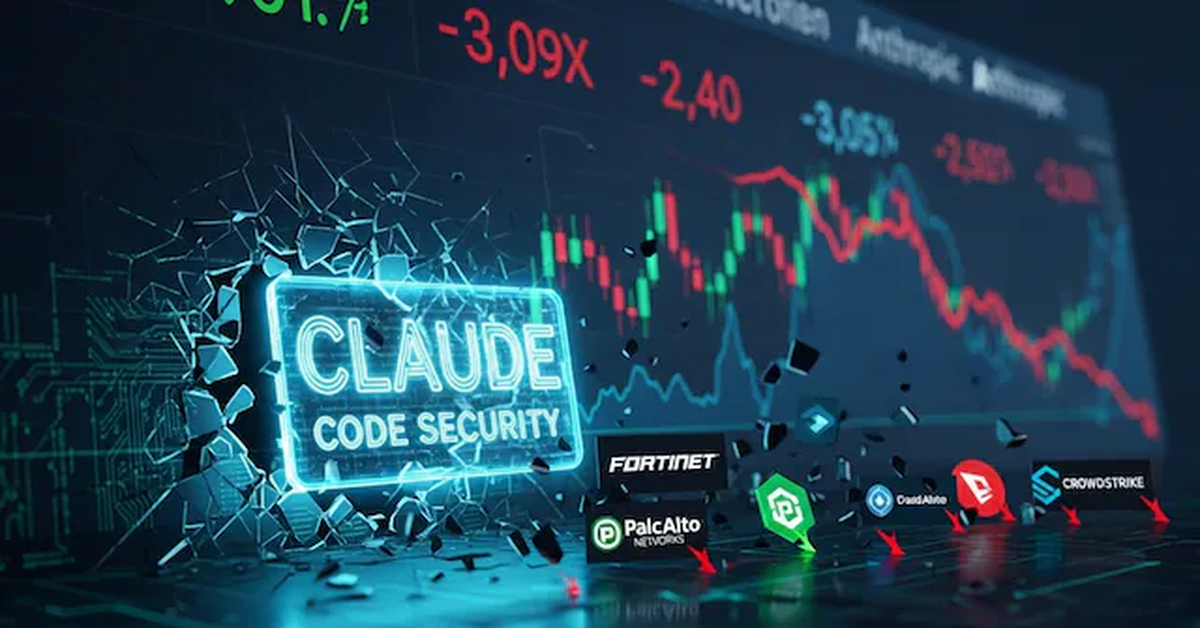
San Francisco, CA – The cybersecurity landscape is bracing for a potential shift as Anthropic, a leading artificial intelligence safety and research company, launched Claude Code Security this week. This new AI-powered tool isn’t designed to *replace* traditional cybersecurity measures, but rather to proactively identify vulnerabilities much earlier in the software development lifecycle. The arrival of Claude Code Security has already caused ripples in the market, with shares of some cybersecurity firms experiencing volatility as investors assess the potential impact of AI-driven code analysis. This development underscores a growing trend: the integration of artificial intelligence into the foundational stages of software creation, aiming to build security *in* rather than bolting it on as an afterthought.
For years, the cybersecurity industry has largely focused on reactive measures – detecting and responding to threats *after* they’ve exploited vulnerabilities. While essential, this approach often leaves organizations playing catch-up. Claude Code Security proposes a different strategy: identifying potential weaknesses in the source code itself, before the software is even deployed. This preventative approach could significantly reduce the number of exploitable vulnerabilities that make their way into production systems, ultimately lowering the risk of costly breaches and data compromises. The core innovation lies in the tool’s ability to understand not just *what* the code does, but *how* it does it, analyzing data flow and component interactions to uncover hidden logical flaws.
Anthropic emphasizes that Claude Code Security isn’t intended as a comprehensive security solution. Instead, it’s a focused tool designed to improve the fundamental quality and security of the codebase. Many security risks originate in the code itself, but are often discovered only after causing problems. By addressing these issues during development, organizations can potentially avoid significant downstream consequences. This approach aligns with the growing “shift left” movement in cybersecurity, which advocates for integrating security practices earlier in the development process. The launch of Claude Code Security is a tangible example of this philosophy in action, leveraging the power of AI to enhance software security from the ground up.
Beyond Pattern Matching: How Claude Code Security Analyzes Code
Traditional security testing tools often rely on pattern matching – searching for known vulnerabilities or common coding errors. While valuable, this approach can miss subtle logical flaws that aren’t easily detectable through simple pattern recognition. Claude Code Security, according to Anthropic, goes beyond this by analyzing how data flows within an application, how it’s processed and how different software components interact. This holistic view allows the AI to identify potential vulnerabilities that might otherwise go unnoticed.
Specifically, the tool focuses on identifying potential logical errors – weaknesses in the code’s design that could be exploited even if they don’t fit the profile of a typical security vulnerability. These errors often manifest as unexpected behavior or unintended consequences, and can be particularly difficult to detect through conventional testing methods. Anthropic reported that in internal testing, Claude Code Security uncovered hundreds of previously unknown vulnerabilities in widely used software projects. This suggests that AI has the potential to “see” deeper into the workings of software than traditional methods allow, uncovering hidden risks that might otherwise remain undetected until a real-world attack occurs.
Human Oversight Remains Crucial
Despite its advanced analytical capabilities, Claude Code Security doesn’t automatically fix code or implement changes. Instead, it presents its findings as recommendations, leaving the ultimate decision of risk assessment and remediation to human developers. This cautious approach reflects a broader understanding of the limitations of AI in security contexts. While AI can be a powerful tool for identifying potential vulnerabilities, it’s not a substitute for human judgment and expertise. Complex software systems can have unforeseen consequences from even minor code changes, and human developers are best equipped to evaluate the potential impact of any proposed fix.
This human-in-the-loop approach is a key differentiator for Claude Code Security. It acknowledges that AI is a valuable *assistant* to security professionals, but not a replacement for them. The tool aims to augment human capabilities, providing developers with deeper insights into their code and helping them make more informed decisions about security. This collaborative model is likely to be more effective and sustainable than attempts to fully automate the security process.
Market Reaction and the Future of AI-Powered Cybersecurity
The announcement of Claude Code Security quickly reverberated through the technology and cybersecurity sectors. News of the AI-powered tool led to significant stock fluctuations in several cybersecurity companies, reflecting concerns that AI could disrupt the traditional security market. Yahoo Finance reported on the initial market reaction, noting that Wedbush analysts viewed the selloff as an overreaction. Many analysts believe that Claude Code Security addresses only a specific part of the cybersecurity spectrum and won’t render existing security solutions obsolete.
Instead, the tool is seen as a complementary technology that can improve software quality early in the development process, while comprehensive security systems remain essential for protecting against threats after deployment. This perspective suggests that AI is more likely to *enhance* existing cybersecurity practices than to completely replace them. The integration of AI into the software development lifecycle is expected to turn into increasingly common, as organizations seek to proactively address security risks and build more resilient systems.
A Building Block, Not a Silver Bullet
The introduction of Claude Code Security has prompted discussions about the potential for AI to revolutionize the entire cybersecurity industry. However, experts caution that the tool should be used for its intended purpose. Claude Code Security doesn’t monitor for attacks in real-time, protect endpoints, manage access rights, or intervene during ongoing incidents. Instead, it operates at a very early stage of the software lifecycle, helping to minimize risks at their source.
In an environment where businesses are increasingly reliant on software and automated systems, the “security by design” approach is gaining traction. Claude Code Security is therefore viewed as a new building block in the cybersecurity landscape, where AI plays a supporting role in analysis, while humans retain ultimate control. This collaborative model is likely to be the most effective way to leverage the power of AI to enhance software security without sacrificing human oversight and judgment. The focus remains on a layered security approach, where multiple defenses operate together to protect against a wide range of threats.
Looking ahead, the development of AI-powered security tools like Claude Code Security is likely to accelerate. As AI technology continues to advance, we can expect to see even more sophisticated tools that can help organizations proactively identify and mitigate security risks. However, it’s important to remember that AI is just one piece of the puzzle. A comprehensive cybersecurity strategy requires a combination of technology, processes, and people, all working together to protect against evolving threats.
The next key development to watch will be Anthropic’s continued refinement of Claude Code Security and its integration with existing software development tools and workflows. Further updates and performance metrics are expected in the coming months, providing a clearer picture of the tool’s long-term impact on the cybersecurity landscape. Stay informed about the latest advancements in AI-powered security by following Anthropic’s official announcements and industry publications.
What are your thoughts on the role of AI in cybersecurity? Share your comments below and join the discussion!