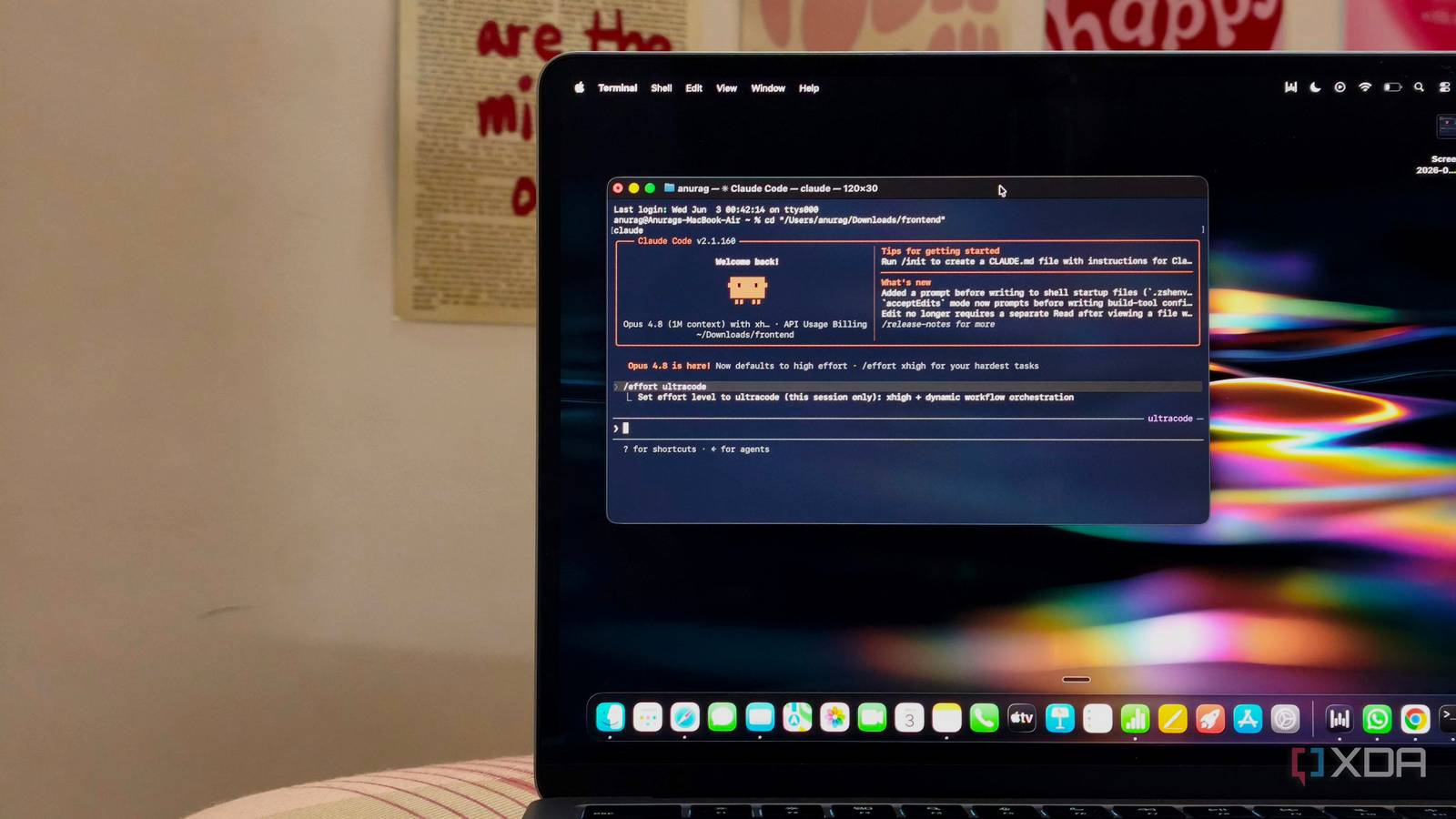
Users of Claude Code, the command-line interface tool designed by Anthropic for software development, are reporting significant spikes in token consumption when deploying multiple subagents to handle concurrent programming tasks. While the tool allows developers to delegate complex coding assignments to various instances, maintaining five separate subagents simultaneously can exhaust a user’s monthly or hourly usage limits in under an hour, according to developer reports circulating in technical forums.
The primary concern for software engineers currently testing Claude Code is the rapid depletion of the context window and the associated usage caps. Anthropic’s Claude Code, which is currently in public beta, enables developers to build and refactor applications directly within their terminal environments. By leveraging the Claude 3.5 Sonnet model, the tool provides automated assistance for file editing, testing, and debugging. However, the architectural design of these subagents—each maintaining an independent context window—creates a compounding effect on account usage, as every subagent consumes tokens to track its own specific task and metadata.
How Subagents Impact Token Consumption
Subagents in Claude Code are designed to compartmentalize work, allowing a primary agent to assign smaller, manageable tasks to specialized sub-instances. Each subagent operates within its own isolated context window, which is necessary to maintain state and focus on the assigned module or function. According to official documentation from Anthropic regarding their developer tools, the efficiency of the model relies on the depth and accuracy of the context provided, which directly correlates to the number of input and output tokens processed during a session.
When a developer initiates five subagents, they are effectively multiplying the token load by five. Because each subagent must process the initial instructions, the relevant codebase snippets, and the ongoing dialogue to execute its task, the usage window—which is governed by rate limits set by Anthropic to ensure service stability—is reached much faster than in a single-agent workflow. For developers working on large-scale refactoring or complex feature implementation, this creates a trade-off between the speed of parallel processing and the cost of hitting usage ceilings.
Managing Usage Limits in the Terminal
For developers looking to optimize their workflow without triggering premature rate limits, experts suggest a more granular approach to agent management. Rather than launching multiple subagents concurrently, developers are increasingly opting for a sequential execution model. By closing or finalizing a subagent before spinning up another, users can maintain a single active context, thereby preserving their account’s available token quota for more intensive tasks.
According to technical guidance provided by Anthropic for developers, the Claude Code interface includes built-in telemetry that allows users to monitor their current token usage and remaining capacity. Monitoring these metrics is essential for those who integrate AI-driven coding assistants into their daily development lifecycle. As the tool remains in its beta phase, these usage limits are subject to change based on overall server load and model performance updates, as noted in the official Anthropic system status page.
What Happens Next for Claude Code
The developer community is currently awaiting updates regarding potential adjustments to rate limits for power users. As Claude Code transitions through its beta period, Anthropic is expected to refine the balance between agent autonomy and resource consumption. Developers currently experiencing limitations are encouraged to participate in the feedback loop provided within the Claude Code terminal interface.

Future updates to the software may include more sophisticated context management, such as shared memory spaces between subagents or more efficient token compression techniques, which could mitigate the rapid depletion of usage windows. For now, users must navigate the current constraints by being selective about how many concurrent processes they authorize. To stay informed on the latest updates and potential changes to usage policies, developers can check the Anthropic newsroom for official announcements regarding their developer tools.
Have you experimented with subagent workflows in your own development environment? Share your experiences and any optimization strategies you have found effective in the comments below.
Keep reading