
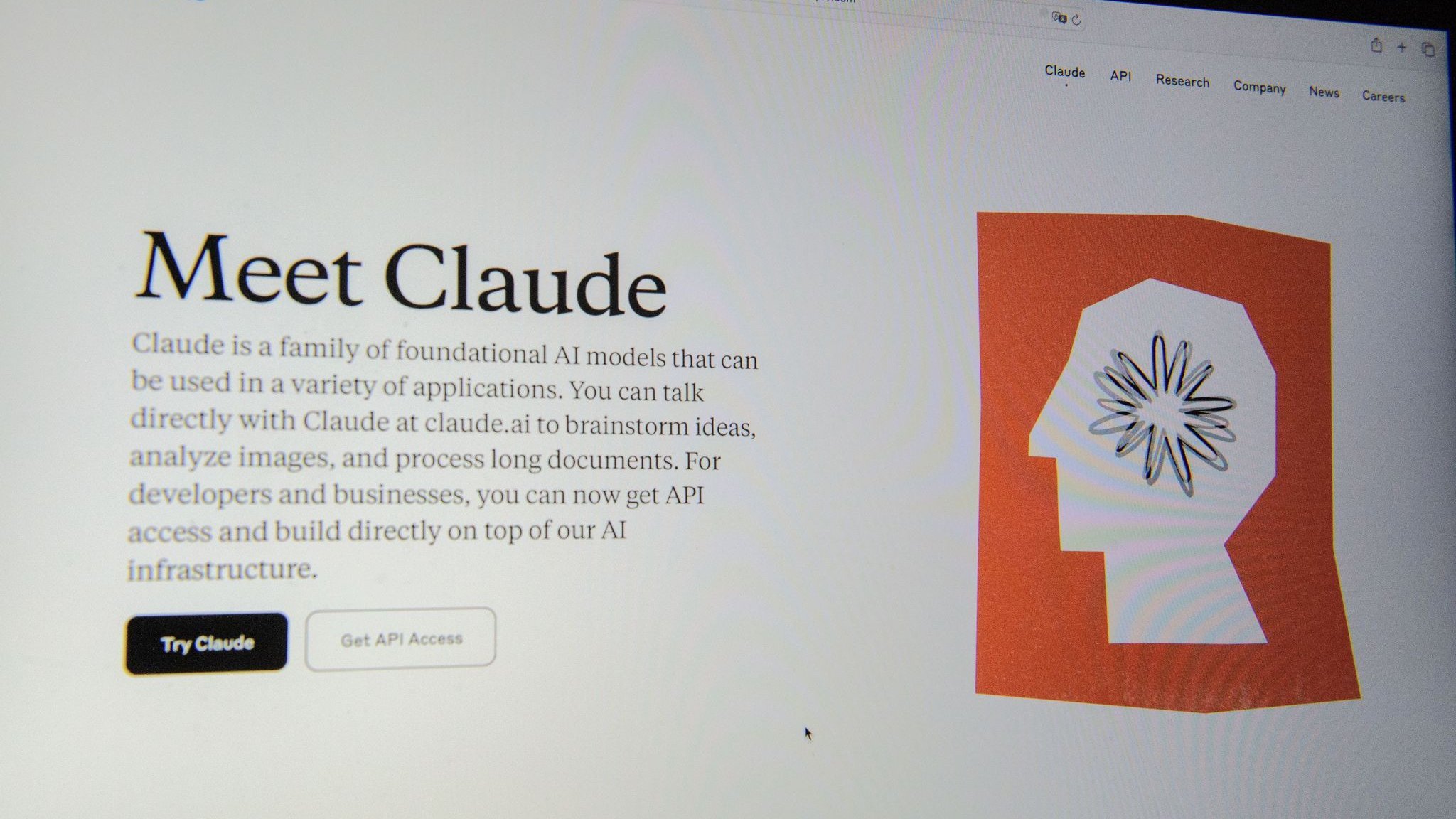
The landscape of cybersecurity is undergoing a fundamental shift as artificial intelligence begins to uncover software vulnerabilities that have remained hidden for years. This evolution in AI-driven vulnerability detection is transforming how developers and security researchers identify “dormant” bugs—flaws in code that may have existed since a program’s inception but were too complex or obscure for human auditors to find.
As the industry moves toward more automated security postures, the rivalry between leading AI labs is accelerating the pace of these discoveries. Companies like Anthropic and OpenAI are developing large language models (LLMs) that are not only capable of generating creative content but are increasingly adept at analyzing vast repositories of code to find structural weaknesses.
For the global tech community, this represents a double-edged sword. While AI can help engineers patch critical holes before malicious actors exploit them, the same technology can be used to automate the discovery of “zero-day” vulnerabilities. The ability of these systems to process millions of lines of code in seconds allows them to spot patterns and logic errors that would take a human analyst weeks or months to uncover.
The Role of LLMs in Modern Code Analysis
The current surge in AI capabilities is driven by the competition between flagship products. Anthropic, an AI safety company founded in 2021 by Dario Amodei, Daniela Amodei, and former OpenAI colleagues founded by former OpenAI staff, has positioned its AI assistant, Claude, as a primary competitor to OpenAI’s ChatGPT.

Claude is designed to assist with a variety of collaborative technical tasks, including drafting code and documents via the Claude AI platform. When applied to software security, these models can perform “semantic analysis,” understanding not just the syntax of the code but the intended logic. This allows the AI to identify where the actual implementation deviates from the intended security protocol, revealing vulnerabilities that have “slumbered” in legacy systems for years.
This capability is particularly critical for legacy software—older systems that are still in use across government and corporate infrastructures but were written before modern secure-coding standards were established. AI can scan these aging codebases to find memory leaks, buffer overflows, and logic flaws that were previously invisible to traditional static analysis tools.
Comparing the AI Contenders: Claude and ChatGPT
The rivalry between Anthropic and OpenAI has pushed both companies to refine how their models handle complex reasoning and coding tasks. While ChatGPT brought generative AI into the mainstream, Claude has focused heavily on safety and constitutional AI, which is essential when deploying AI to manage sensitive security vulnerabilities.
The competition is not merely about user growth but about the technical ceiling of what these models can achieve. As noted by industry observers, Claude has garnered significant attention as a direct rival to ChatGPT since its launch in July 2023. This competition drives the rapid iteration of features that allow developers to upload entire libraries of code for the AI to analyze, effectively turning the AI into an automated security auditor.
How AI Finds “Slumbering” Flaws
Unlike traditional scanners that look for known “signatures” of vulnerabilities, AI models use a different approach:
- Pattern Recognition: AI identifies anomalous code structures that typically correlate with security failures.
- Contextual Understanding: The AI can trace the flow of data across different functions to spot if user input can reach a sensitive part of the system without being sanitized.
- Hypothesis Testing: Advanced models can suggest potential exploit vectors, helping researchers prove that a theoretical flaw is actually a usable vulnerability.
The Impact on Global Software Security
The ability to find long-dormant vulnerabilities means that the “shelf life” of a software bug is shrinking. In the past, a flaw might remain undiscovered for a decade, only to be found by a state-sponsored actor or a sophisticated hacking group. Now, the democratization of AI tools means that independent researchers can find these flaws more quickly.
However, this creates a high-pressure environment for software vendors. When an AI discovers a vulnerability in a widely used piece of software, the window for the vendor to release a patch is narrow. If the vulnerability is leaked before a fix is available, the AI-driven discovery process can be turned into an AI-driven attack process.
The shift toward AI-driven security is also changing the role of the software engineer. Instead of spending months manually auditing code, engineers are now overseeing AI agents that perform the initial sweep, allowing humans to focus on the most complex architectural fixes.
Key Takeaways for Developers and Users
- Automated Auditing: AI is now capable of finding vulnerabilities that have existed for years in legacy code.
- Competitive Edge: The rivalry between Anthropic’s Claude and OpenAI’s ChatGPT is accelerating the development of these coding capabilities.
- Security Paradox: While AI helps in patching software, it also lowers the barrier for discovering new exploits.
- Legacy Risk: Older software systems are particularly vulnerable to AI-driven discovery due to outdated coding standards.
As these AI models continue to evolve, the next critical checkpoint for the industry will be the integration of these tools directly into the compiler and CI/CD (Continuous Integration/Continuous Deployment) pipelines, potentially stopping vulnerabilities from ever reaching the production stage. Users are encouraged to keep their software updated to the latest versions to ensure that AI-discovered flaws are patched.
Do you believe AI will eventually eliminate software bugs, or will it simply create more complex ones? Share your thoughts in the comments below.