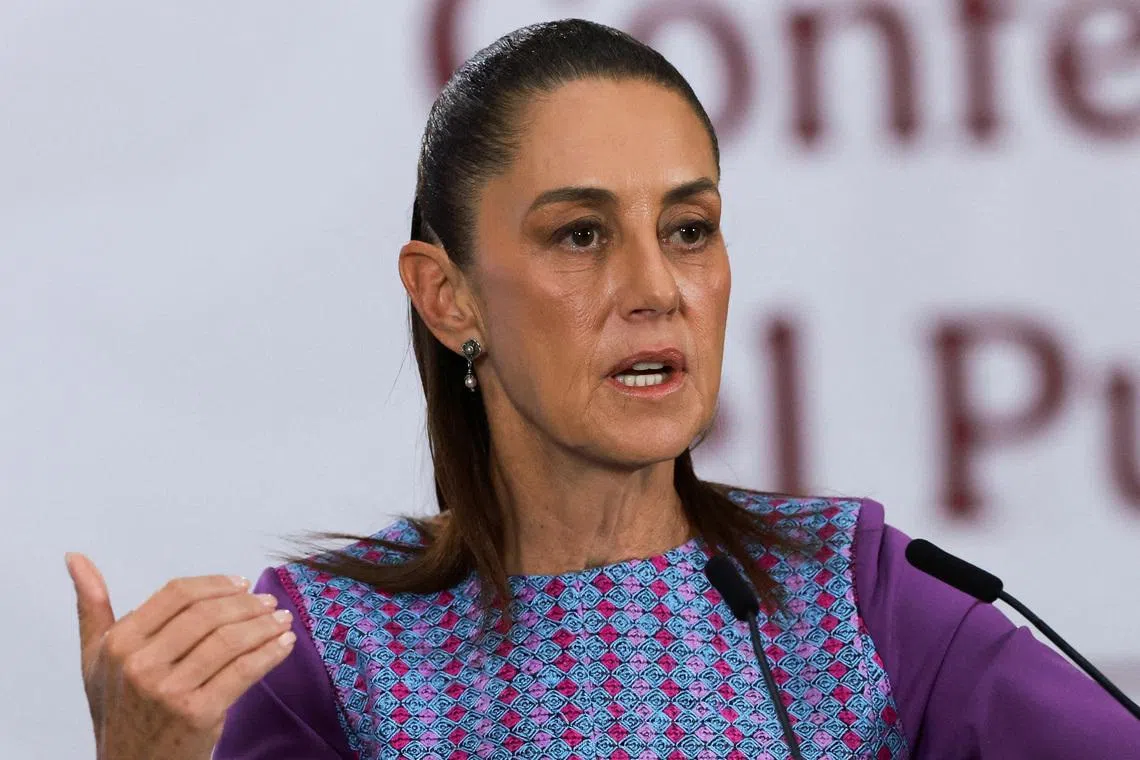
MEXICO CITY — President Claudia Sheinbaum has reportedly issued a firm directive to members of her ruling Morena party, calling for the resignation of any officials found to be implicated in acts of corruption. This internal mandate comes as the Mexican administration faces intensifying scrutiny regarding the alleged ties between domestic political figures and powerful drug trafficking organizations.
The directive, confirmed by two party sources familiar with the discussions, highlights an effort by the Sheinbaum government to address mounting pressure from the United States. Washington has been increasingly vocal about the necessity of rooting out institutional corruption, particularly in regions where criminal syndicates exercise significant influence over local governance and public safety, according to reports from the Public Broadcasting Service.
Addressing Allegations of Corruption
The call for accountability arrives during a period of heightened sensitivity within the Morena party, which has faced questions regarding its internal vetting processes. In early May 2026, concerns reached a critical juncture when prominent officials in the northwestern state of Sinaloa voluntarily stepped down from their positions following the unsealing of indictments in the United States. These legal developments, which allege deep-seated links between local politicians and international drug trafficking networks, have forced the federal government to confront the risks of cartel infiltration into the state apparatus, as detailed by official U.S. Department of Justice records regarding ongoing transnational criminal investigations.
For the Sheinbaum administration, the challenge lies in balancing party discipline with the broader mandate of the “Fourth Transformation”—the political movement founded by her predecessor, Andrés Manuel López Obrador—which centers on the eradication of systemic graft. Analysts suggest that by demanding the resignation of compromised individuals, the President is attempting to preserve the integrity of her administration while navigating a complex diplomatic landscape with the U.S. Government.
The Impact of U.S. Pressure
The relationship between Mexico and the United States remains heavily influenced by cooperation on security and counter-narcotics efforts. Washington’s focus on the Sinaloa region—a historical stronghold for major trafficking operations—has placed immense strain on federal-state relations. When U.S. Authorities initiate legal proceedings against Mexican officials, the political fallout often cascades into the federal sphere, necessitating a swift response from the executive branch to demonstrate a commitment to the rule of law.
According to the U.S. Department of State, bilateral cooperation on transnational crime is a cornerstone of the current security framework. However, the discovery of potential corruption within ruling party ranks complicates this partnership, as it raises questions about the efficacy of current oversight mechanisms at the municipal and state levels.
What Lies Ahead for the Morena Party
As the administration moves forward, party leadership is expected to implement more rigorous background checks for candidates running in upcoming cycles. The directive to resign is viewed by political observers as a damage-control measure intended to prevent the perception that the party is shielding individuals connected to illicit activities. Yet, the effectiveness of this policy will likely depend on the transparency of the investigative process and the willingness of the party to cooperate with both domestic and international law enforcement agencies.

The next major milestone in this developing situation will likely involve the formalization of these internal standards and the potential disclosure of further investigative findings by U.S. Prosecutors. Observers are also looking toward upcoming legislative sessions in Mexico City to see if the administration proposes new anti-corruption reforms aimed at strengthening the independence of the judiciary and the electoral oversight bodies.
We invite our readers to share their perspectives on these developments in the comments section below. How do you believe the Mexican government should handle the intersection of national sovereignty and international security requirements? Join the conversation as this story continues to evolve.