As early voting officially commenced in South Korea on May 29, a critical gap has emerged between the escalating urgency of the global climate crisis and the policy readiness of local political leaders. A newly released assessment of candidates running in the upcoming June 3 local elections has revealed a stark lack of preparation regarding environmental stewardship.
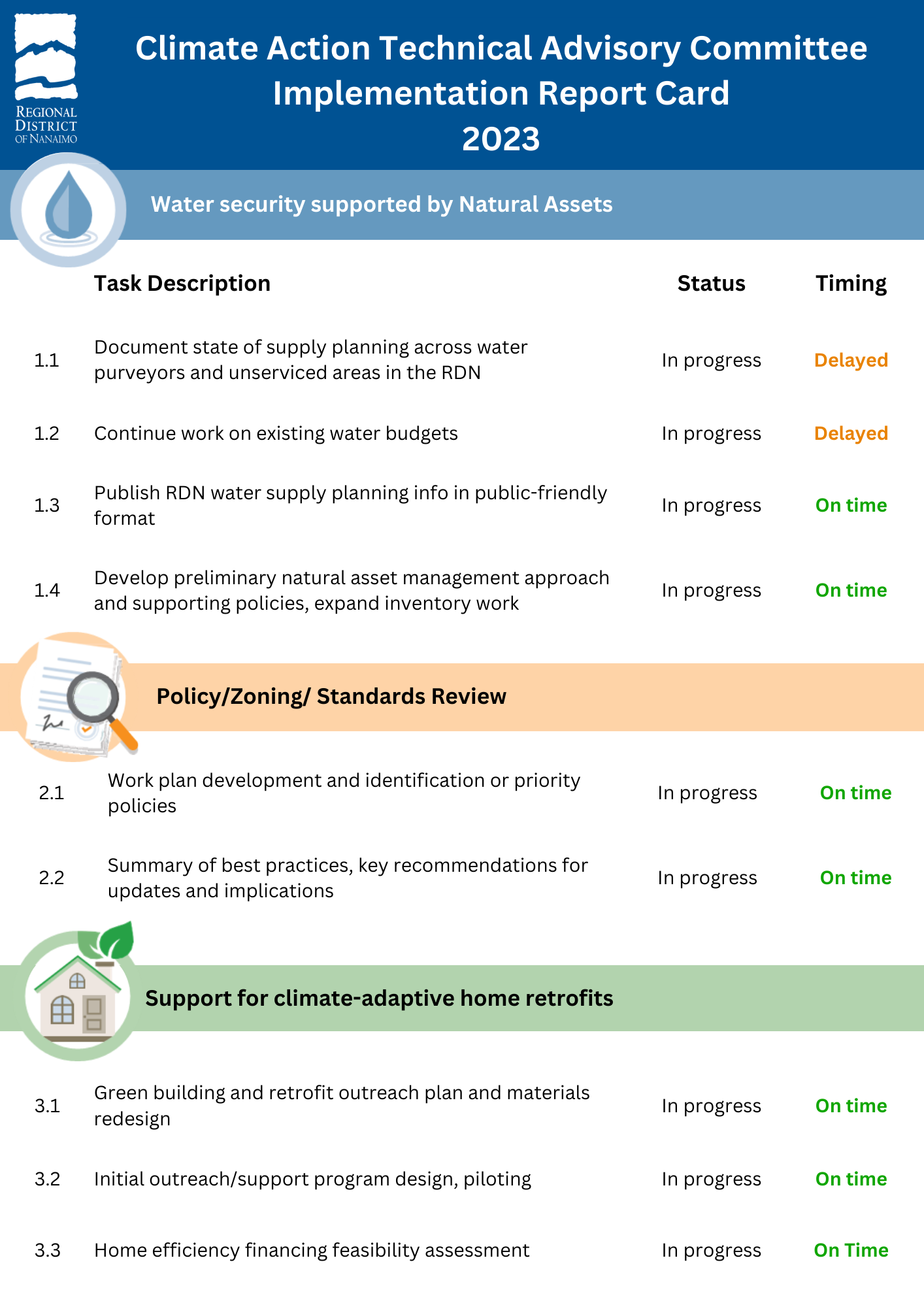
According to a “climate report card” released to coincide with the start of the early voting period, a mere 3.4% of candidates vying for metropolitan and local government leadership positions have presented concrete carbon reduction roadmaps. This finding has sent shockwaves through environmental advocacy circles, highlighting a significant disconnect between the expectations of an increasingly eco-conscious electorate and the actual platforms of those seeking power.
The June 3 elections are a cornerstone of South Korean local governance, determining the leadership of both gwangyeok (metropolitan) and gicho (basic) autonomous bodies. These officials hold substantial influence over land use, waste management, urban planning, and local energy transitions—all of which are vital components in the nation’s broader strategy to meet its international climate commitments.
The Policy Vacuum: Why the 3.4% Figure Matters
The low percentage of candidates providing detailed decarbonization strategies suggests that many local leaders are treating climate change as a peripheral issue rather than a central pillar of governance. A “carbon reduction roadmap” is not merely a collection of vague promises; in a professional political context, it implies a structured plan featuring specific emission reduction targets, measurable milestones, budget allocations, and clear implementation timelines.
The absence of these frameworks from nearly 97% of the candidates suggests that local administrations may be ill-equipped to lead the “green transition” at the community level. While the central government in Seoul has established ambitious national goals, the success of these policies often hinges on the execution of local municipalities. From managing the expansion of renewable energy grids to implementing circular economy models in waste disposal, the burden of climate adaptation and mitigation falls heavily on local mayors and governors.
For a nation like South Korea, which is navigating the complex transition from a heavy industrial base to a high-tech, low-carbon economy, this lack of local leadership could create a significant bottleneck in national progress. The disconnect is particularly notable given the country’s legal framework, including the Framework Act on Carbon Neutrality and Green Growth, which mandates a systematic approach to achieving net-zero emissions.
The Rise of the ‘Climate Voter’
The report underscores a growing tension between candidates and a demographic known as “climate voters.” This group, spanning various age brackets but increasingly concentrated among younger citizens, prioritizes environmental accountability as a decisive factor in their voting behavior. For these voters, a candidate’s stance on climate change is no longer an optional “soft” issue but a fundamental metric of competence and foresight.

The emergence of this voting bloc is part of a global trend where environmental policy is becoming a litmus test for political viability. In South Korea, where extreme weather patterns—including intense heatwaves and unpredictable monsoon seasons—have become more frequent, the lived experience of the climate crisis is driving political demand. Voters are increasingly looking for leaders who can offer practical solutions to climate-induced vulnerabilities, such as urban heat island effects and flood management.
The fact that the vast majority of candidates have failed to provide specific roadmaps suggests that political parties may still be underestimating the electoral weight of environmental issues. As the election approaches, the ability of candidates to pivot toward substantive climate discourse may become a deciding factor in highly contested local races.
The Crucial Role of Local Governance in Climate Mitigation
To understand why the lack of roadmaps is so concerning, the specific powers held by the metropolitan and local government heads being elected on June 3. While national legislation sets the “what,” local governments determine the “how.”
- Urban Planning and Transport: Local leaders decide on the development of public transit networks, the expansion of electric vehicle (EV) charging infrastructure, and the creation of green spaces that mitigate urban heat.
- Waste and Resource Management: Municipalities are responsible for the implementation of recycling programs and the management of landfills, both of which are critical to reducing methane emissions.
- Energy Transition: Local governments play a key role in facilitating the installation of solar and wind energy at the community level and managing the integration of these sources into local grids.
- Disaster Preparedness: As climate volatility increases, the capacity of local governments to manage flood defenses, emergency response systems, and resilient infrastructure becomes a matter of public safety.
Without a clear roadmap, these leaders may default to reactive, short-term management rather than proactive, long-term climate resilience planning. This lack of foresight could leave local communities more vulnerable to the physical and economic shocks of a changing climate.
Comparative Analysis: Roadmap vs. Vague Commitment
The following table illustrates the distinction between the substantive roadmaps provided by the 3.4% of candidates and the more generalized environmental rhetoric observed in the majority of the field.
| Feature | Substantive Roadmap (The 3.4%) | General Rhetoric (The 96.6%) |
|---|---|---|
| Target Metrics | Specific percentage reductions in CO2e by 2030 and 2040. | Broad statements about “protecting the environment.” |
| Budgetary Detail | Allocated funds for green infrastructure and energy subsidies. | Mention of “prioritizing” green initiatives without funding. |
| Implementation | Step-by-step timelines for policy rollout and monitoring. | Undefined goals with no clear path to achievement. |
| Accountability | Regular reporting mechanisms and public audits. | Lack of measurable indicators or oversight. |
Looking Ahead: The June 3 Verdict
As the early voting period continues, the focus for many voters will remain on whether candidates can move beyond platitudes to provide the technical and financial clarity required to address the climate crisis. The results of the June 3 election will serve as a significant indicator of whether South Korean local leadership is prepared to take an active role in the global effort to stabilize the climate.
The next critical checkpoint for the electorate will be the conclusion of the early voting period, followed by the final days of campaigning leading up to the official election day on June 3. Observers will be watching to see if the “climate report card” findings prompt a last-minute surge in policy detailing from the remaining candidates.
What do you think? Should climate policy be a mandatory part of every candidate’s platform? Share your thoughts in the comments below and share this article to keep the conversation going.
Worth a look