
The Emerging Right to a Stable Climate: Why Collective Action is Crucial
The conversation around climate change is shifting. Increasingly, experts and international bodies are framing climate stability not as an individual entitlement, but as a fundamental collective human right. This isn’t simply about environmental preservation; it’s about safeguarding the very foundations of a functioning society.
Let’s explore why this outlook is gaining traction,the challenges to its implementation,and what it means for you and the future.
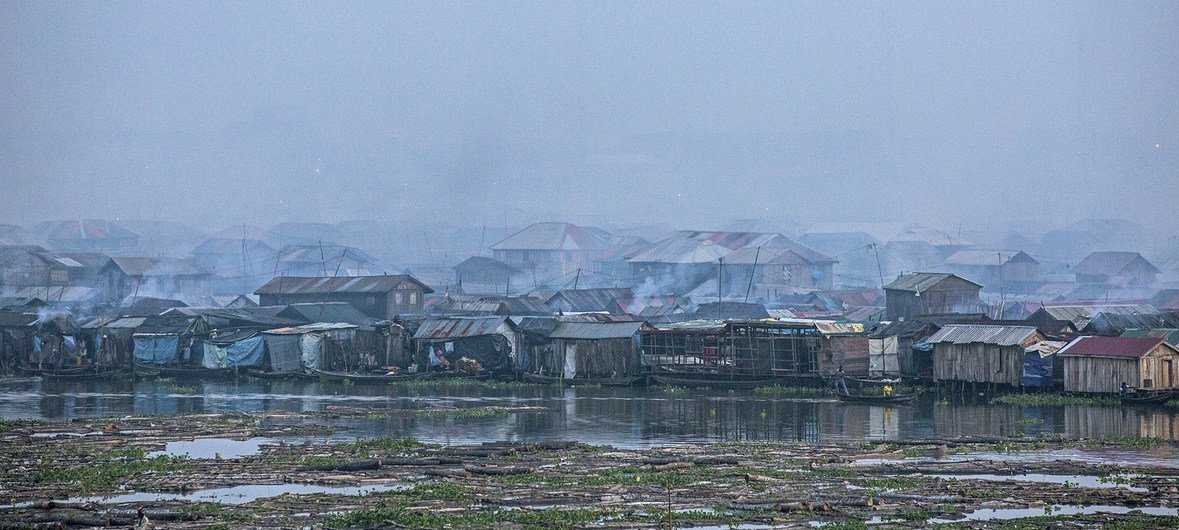
(Image: A polluted Lagos Lagoon in Nigeria,illustrating the impact of air quality on communities. source: United Nations)
https://global.unitednations.entermediadb.net/assets/mediadb/services/module/asset/downloads/preset/assets/2019/06/03-06-2019-Nigeria-UNICEF-UN037206.jpg/image1170x530cropped.jpg
Why a Collective Right?
Professor Upendra Gupta, a leading voice in this evolving discourse, argues that a stable climate is essential for sustaining the systems we rely on daily. Think about it: agriculture, water resources, global supply chains, and even basic predictability are all directly impacted by climate stability. Without it, societal function breaks down.
Here’s how climate instability impacts core aspects of life:
* Water Security: Climate change directly affects rainfall patterns and water availability.
* Food Production: Erratic weather events disrupt agricultural yields.
* Economic Stability: Supply chain disruptions and disaster recovery costs strain economies.
* Public Health: Extreme weather events and air pollution contribute to health crises.
As Professor Gupta succinctly puts it, “Climate works thru water, and water is central to everything.”
The Legal Landscape is Shifting
While “climate rights” aren’t yet universally codified in law, courts worldwide are increasingly recognizing that climate instability undermines existing human rights. This includes rights to life,health,adequate housing,and food.
This trend is gaining momentum at the highest levels of the United Nations. In June 2023, UN High commissioner for Human Rights, Volker Türk, addressed the Human Rights Council in geneva, emphasizing that climate change is already eroding fundamental rights, especially for vulnerable populations.
However, Türk also highlighted a crucial point: climate action presents an prospect. A just transition away from environmentally destructive systems can be a powerful catalyst for progress.
Erosion of Fundamental Rights: A Closer Look
The consequences of inaction are stark. Climate change exacerbates existing inequalities and creates new vulnerabilities. Consider these impacts:
* Displacement: Rising sea levels and extreme weather events force communities to relocate.
* health Impacts: Heat waves, air pollution, and the spread of infectious diseases threaten public health.
* Economic Hardship: Loss of livelihoods and increased poverty due to climate-related disasters.
* Conflict & instability: Resource scarcity and climate-induced migration can fuel conflict.
Türk stressed the need for a roadmap to fundamentally rethink our societies, economies, and political systems to ensure they are equitable and lasting.
The role of political Will and Responsibility
Despite growing awareness, meaningful obstacles remain.Professor Gupta points to the erosion of multilateralism, exemplified by the US’s past withdrawals from the paris Agreement, as a major setback.
Furthermore, a disproportionate amount of new fossil fuel expansion is driven by just four wealthy nations: the US, Canada, norway, and Australia. This highlights a critical imbalance in responsibility.
The prevailing neoliberal ideology, with its emphasis on markets and deregulation, is ill-equipped to address a collective crisis like climate change. This isn’t a problem that can be solved through individual choices alone.
Instead, we need:
* Strong State Intervention: Regulations, policies, and investments to drive systemic change.
* International Cooperation: Binding agreements and
Worth a look
- Bulgarian President Rumen Radev: Budget 2026, Sanctions, and Foreign Policy Stance
- Dallas Buys Rare Whiskey Raccoon Taxidermy
- Robert Reich: Trump’s Failed Iran Diplomacy and the Crisis in the Strait of Hormuz (archyde.com)
- Miami’s Top Fractional Executives Powering Fast-Growing Startups (archynewsy.com)