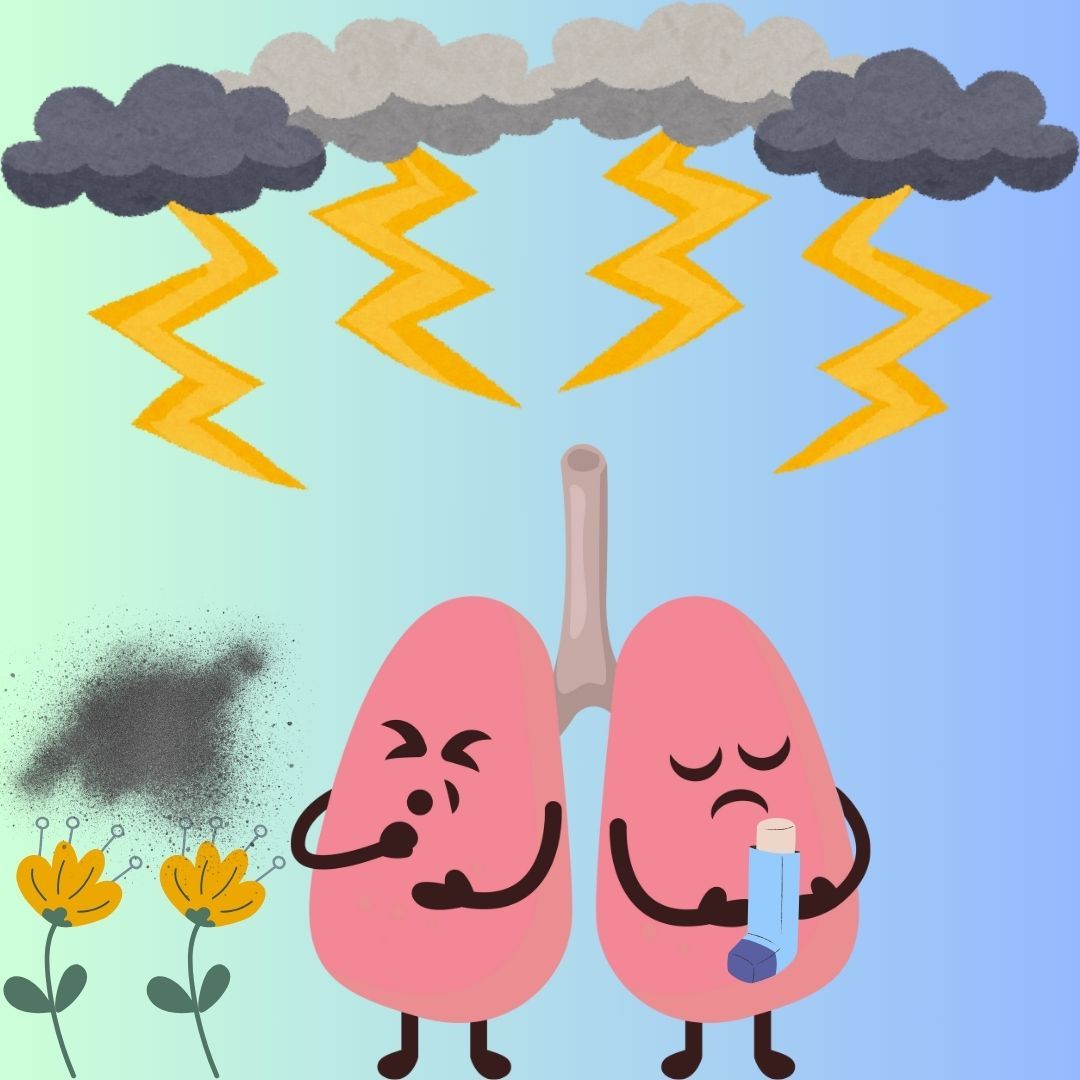
For many children, the simple act of breathing has become a daily struggle, not due to the fact that of a lack of medical knowledge, but because of a changing planet. As global temperatures climb and weather patterns become increasingly erratic, a growing number of pediatric patients are finding themselves trapped in a cycle of chronic respiratory distress, with asthma rates climbing in tandem with the thermometer.
The urgency of this crisis took center stage on April 9, 2026, at the National Assembly Member’s Hall in Seoul, where health advocates, policymakers, and medical experts gathered for the “National Assembly Forum for the Guarantee of Health Rights of Children with Asthma in the Era of Climate Crisis.” The forum, co-hosted by the Environment Foundation and National Assembly members Nam In-soon and Kim Tae-sun of the Democratic Party of Korea, highlighted a critical disconnect: while the environment is rapidly evolving to trigger more respiratory illness, the policy frameworks designed to protect children remain stagnant.
The discussion underscored a sobering reality for the next generation. From the record-breaking heat of the Korean Peninsula to the lengthening of pollen seasons, the environmental triggers for asthma are no longer seasonal anomalies—they are the novel baseline. For children, who are biologically more vulnerable to air quality fluctuations, these changes represent a direct threat to their fundamental right to health.
The Direct Link Between Rising Temperatures and Pediatric Asthma
The correlation between a warming planet and respiratory failure is not merely anecdotal. it is reflected in hard data. During the forum, Kim Young-jin of the Environment Foundation presented evidence showing a distinct link between climate indicators and the prevalence of childhood asthma over the past nine years. A primary driver is the sheer increase in heat; for instance, the average annual temperature on the Korean Peninsula reached a record high of 14.5 degrees Celsius in 2024 according to reports from the forum.
This warming trend creates a compounding effect on public health. Data from the U.S. Environmental Protection Agency (EPA) suggests that the risk is scalable: a global temperature increase of 2°C is predicted to increase the annual number of asthma patients by 4%, while a 4°C increase could lead to an 11% rise as cited during the assembly. These figures illustrate that climate change acts as a force multiplier for chronic illness, pushing more children into the category of “high-risk” patients.
Choi Yeol, Chairman of the Environment Foundation, emphasized that children are effectively on the “front lines” of this climate disaster. He noted that unstable atmospheric conditions and the prevalence of airborne pollutants are effectively “strangling” the ability of children to breathe freely, leaving them exposed to the most volatile elements of environmental degradation.
The ‘Pollen Gap’ and Environmental Triggers
Beyond temperature, the biological timing of the planet is shifting, creating new challenges for those with allergic asthma. Professor Kim Chang-geun of Inje University Sanggye Paik Hospital pointed out a significant shift in allergen exposure. Since the 1970s, the number of days per year that pollen is present in the air in South Korea has increased by approximately 41 days as detailed in medical testimony.
This extension of the pollen season means that children with respiratory sensitivities are subjected to triggers for a much larger portion of the year, reducing the periods of recovery and increasing the likelihood of severe attacks. While national health statistics from 1998 to 2022 show a rapid increase in rhinitis, Professor Kim noted that asthma figures have appeared more stable. However, he cautioned that this is not due to a decrease in incidence, but rather because improved medications have made it easier to manage severe cases, potentially masking the true scale of the climate-driven increase.
Policy Gaps and the Struggle for Affordable Care
Despite the clear medical need, the forum highlighted a “hole” in the current management system for children with asthma. The primary point of contention is the accessibility of advanced treatments. For children suffering from severe asthma, “biological agents”—medicines created using living organisms or biotechnology—can be life-saving. However, in South Korea, the criteria for receiving health insurance coverage for these drugs remain prohibitively strict and the out-of-pocket costs remain high.

Professor Kim Chang-geun argued that the current insurance framework is insufficient given the escalating climate crisis. He contrasted the South Korean system with those in the United States and Japan, where the state bears a significantly larger portion of the cost for these essential medications according to his presentation. Without a relaxation of the criteria for biological agent subsidies, many children from lower-income families remain unable to access the standard of care required to manage severe respiratory distress.
The human cost of these policy gaps was illustrated through the testimony of Jo Chae-hoon, a child who has lived with asthma, who shared his personal health struggles during the forum to highlight the necessity of a more robust support system.
Moving Toward a Cross-Departmental Response
The overarching goal of the forum was to advocate for a comprehensive, pan-governmental response system. The experts argued that asthma in the age of climate change cannot be treated as a simple medical issue; it is an intersection of climate, health, and housing. Because air quality is influenced by urban planning and environmental policy, a siloed approach—where the health ministry handles the symptoms while the environment ministry handles the air—is no longer effective.
The call to action is clear: the government must integrate climate data into public health planning and expand the national health insurance safety net to ensure that life-saving respiratory treatments are not a luxury, but a guaranteed right for every child regardless of their socioeconomic status.
Key Takeaways: Climate Change and Pediatric Asthma
- Temperature Correlation: A record average temperature of 14.5°C in 2024 in Korea aligns with a rising trend in childhood asthma triggers.
- EPA Projections: Global warming of 2°C to 4°C could increase asthma patient numbers by 4% to 11%, respectively.
- Allergen Expansion: The annual pollen season has extended by roughly 41 days compared to the 1970s, prolonging respiratory distress for children.
- Treatment Barriers: High costs and strict insurance criteria for biological agents in South Korea hinder access to care compared to the US and Japan.
- Systemic Need: Advocates are calling for a “pan-governmental” response that links climate policy directly to pediatric health rights.
The forum concluded with a demand for immediate policy revisions to expand health insurance benefits for severe pediatric asthma. The next step for advocates is to push for these recommendations to be integrated into upcoming legislative sessions to close the gap in the childhood health management system.
We want to hear from you. Do you believe national health policies are keeping pace with the health challenges posed by climate change? Share your thoughts in the comments below or share this article to raise awareness about pediatric respiratory health.
Worth a look