
Rescue Efforts Halted for Climber Stranded on Victory Peak
A challenging rescue operation has been suspended for natalia Nagovitsyna, a climber currently stranded at a high altitude on Victory Peak in Kyrgyzstan. The decision comes after the tragic death of another climber, Luca Sinigaglia, on the same mountain, and highlights the extreme difficulties of mountain rescue in this region.
Currently, Nagovitsyna is suffering from severe frostbite and altitude sickness. Rescuers have determined that a manual evacuation is impossible given the mountain’s height. Unfortunatly, Kyrgyzstan lacks the specialized helicopters necessary to perform a high-altitude rescue.
Understanding Victory Peak & The Challenges
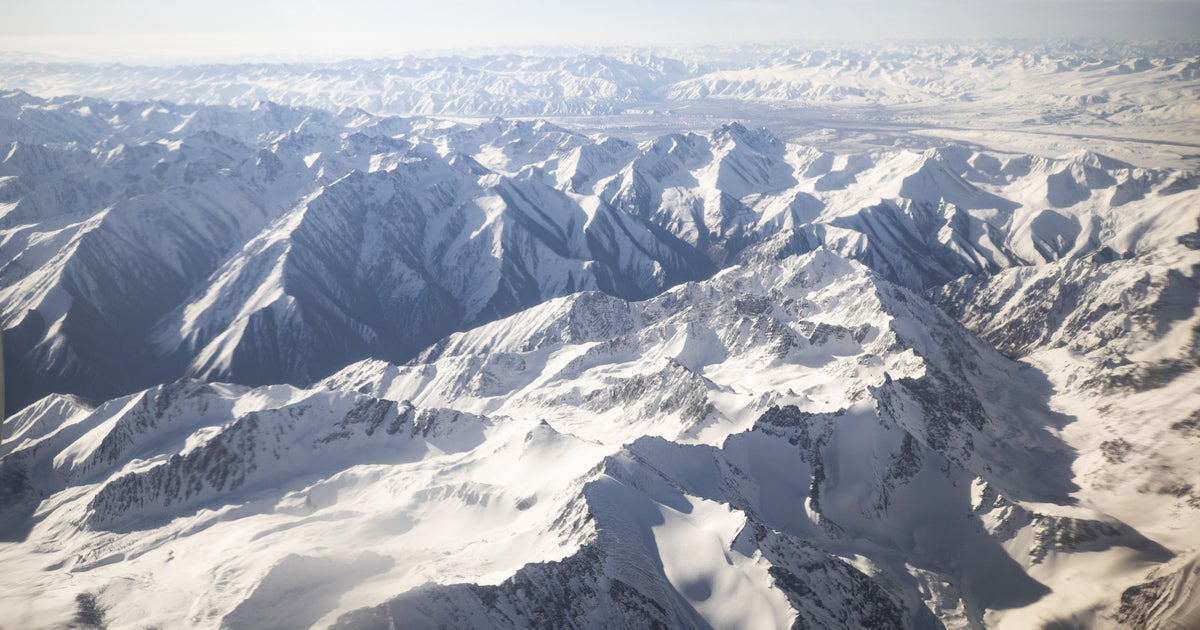
Victory Peak, also known as Jengish Chokusu, stands as the highest point in the Tian Shan mountain range. It’s situated on the border between Kyrgyzstan and China, presenting logistical hurdles for any rescue attempt.I’ve found that these border regions often complicate rescue efforts due to international coordination requirements.
The sheer altitude presents a notable danger. Evacuating someone from such heights is incredibly risky, even with the right equipment. Here’s what makes this situation particularly complex:
Extreme Altitude: The mountain’s height drastically increases the risk of complications from altitude sickness and frostbite.
Lack of Resources: Kyrgyzstan doesn’t have helicopters capable of operating at the necessary altitude for a safe rescue.
Manual Evacuation Impossible: The terrain makes a ground-based rescue simply unfeasible.
A history of Tragedy on Central Asian Peaks
This incident isn’t isolated. Central Asia’s high-altitude peaks are known for their unforgiving conditions. Tragically,Nagovitsyna’s husband,Sergei,died of a stroke while climbing Khan Tengri in Kazakhstan in 2021. Reports indicate she refused to leave his side at the time, a testament to her dedication.
Recent events further underscore the dangers:
K2 Tragedy: Earlier this month, a Chinese climber lost her life after being struck by falling rocks on K2, the world’s second-highest peak.
Laura Dahlmeier’s Death: In july, Olympic gold medalist Laura Dahlmeier died during a climb in the same region.
These incidents serve as a stark reminder of the inherent risks involved in high-altitude mountaineering.You need to be prepared for the unexpected, and even with meticulous planning, nature can be unpredictable.
What This Means for Climbers
These events highlight the critical importance of preparedness and risk assessment for anyone considering climbing in this region. It’s essential to:
Assess Your Limits: Be realistic about your physical and technical capabilities.
Check Weather Conditions: Monitor forecasts closely and be prepared to turn back if conditions deteriorate.
Carry Appropriate Gear: Ensure you have the necessary equipment for survival in extreme conditions.
* Understand Rescue Limitations: Be aware of the challenges involved in mountain rescue in remote areas.
The situation on Victory Peak remains critical. While rescue efforts are currently suspended, the hope is that conditions will improve, allowing for a safe extraction of Natalia Nagovitsyna. However, this case serves as a sobering reminder of the power of the mountains and the risks climbers face.


