
The traditional medical experience has long been defined by a repetitive and often tedious ritual: the clipboard. For decades, patients arriving at a new clinic or specialist’s office have been handed a stack of paperwork to manually recount their medical histories, current medications, and previous surgeries. However, federal health officials are now signaling a shift toward a future where medical records more portable and accessible, potentially rendering the physical clipboard obsolete.
At a recent Medicare event, federal official Zac Jiwa highlighted the progress of the Health Tech Ecosystem initiative, describing the current transition as a “eulogy” for the clipboard. The initiative represents a coordinated effort to modernize how patient data moves between different healthcare providers and the patients themselves, aiming to replace manual data entry with seamless digital integration.
For the past eight months, the federal government has set specific goals for hundreds of health tech companies to improve the interoperability of healthcare data. The objective is to create a system where patient records are not locked within a single provider’s database but can be easily imported into various electronic health records (EHR) systems and accessed via dedicated patient apps.
The Push for Digital Interoperability
The core of the Health Tech Ecosystem initiative is the pursuit of portability. In the current fragmented landscape, a patient’s data often exists in “silos,” meaning a record created at a primary care physician’s office may not be easily accessible to a specialist in a different hospital network. By making medical records more portable, the government aims to reduce medical errors caused by missing information and eliminate the burden of redundant paperwork.
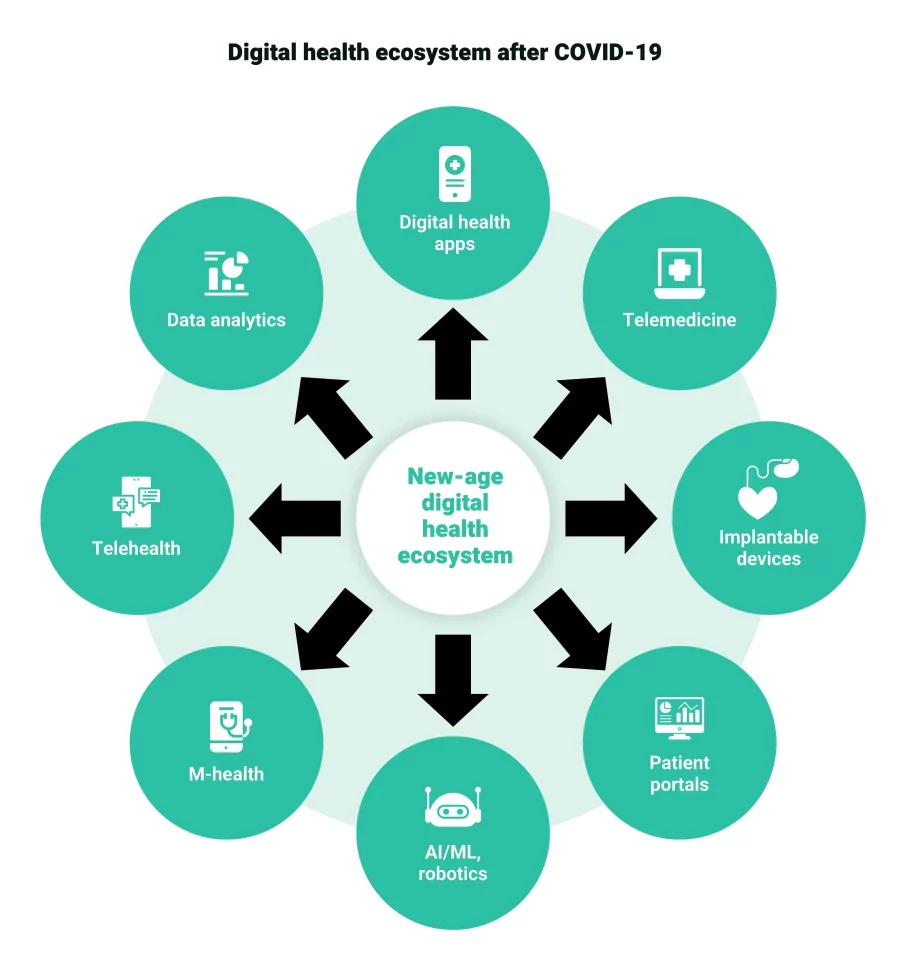
This transition involves three primary technical goals:
- Enhanced Portability: Ensuring that data can move across different platforms without losing integrity or detail.
- EHR Integration: Creating standardized systems that allow providers to import external patient data directly into their own electronic health records.
- Patient-Facing Applications: Standing up a variety of apps that give patients direct control and visibility over their own health data.
Why the “Clipboard” Matters
While a clipboard may seem like a minor inconvenience, it represents a significant systemic failure in healthcare data exchange. When patients are forced to fill out paperwork by hand, the resulting data is often incomplete, inaccurate, or outdated. By automating this process through a digital ecosystem, providers can receive a comprehensive, verified medical history instantly, allowing the clinical encounter to focus on treatment rather than data collection.
Impact on Patients and Providers
The shift toward a more open health tech ecosystem affects multiple stakeholders across the global healthcare landscape. For patients, the primary benefit is autonomy; the ability to carry their medical history in a digital format ensures that care is continuous, regardless of where they seek treatment. This is particularly critical for patients with chronic conditions who see multiple specialists across different health systems.
For providers, the ability to import data directly into EHR systems reduces administrative overhead and minimizes the risk of manual entry errors. When health tech companies meet the goals set by the federal government, the friction of onboarding a new patient is significantly reduced, potentially increasing the efficiency of clinical workflows.
According to reports on the initiative, top health officials are continuing to emphasize the importance of these efforts to ensure that the digital transformation of healthcare benefits the end-user—the patient—rather than just the technology vendors highlighting efforts to make medical records more portable.
As the initiative continues to evolve, the focus remains on the scalability of these patient apps and the willingness of EHR vendors to adopt open standards that allow data to flow freely between competing platforms.
The next phase of this digital transition will likely involve further refinements to the Health Tech Ecosystem goals as the federal government monitors the adoption rates among the hundreds of participating tech companies. We encourage our readers to share their experiences with digital health records in the comments below.
Related reading