
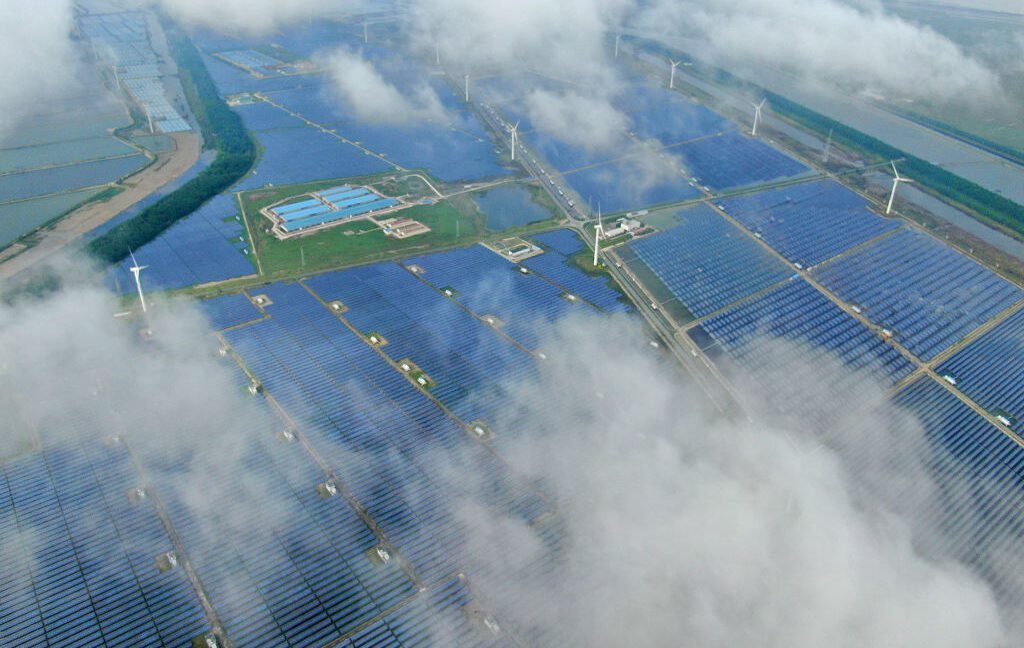
The global transition toward renewable energy is often framed as a race between the falling costs of technology and the stubborn persistence of fossil fuels. However, a burgeoning body of research suggests that the competition is not just economic or political—it is atmospheric. In a paradoxical twist of environmental science, the very pollutants emitted by coal-fired power plants are actively hindering the efficiency of the infrastructure designed to replace them.
Recent findings indicate that solar power production undercut by coal pollution is a systemic issue, as aerosols released during the combustion of coal create a veil in the atmosphere that scatters and absorbs incoming sunlight. This phenomenon, known as “solar dimming,” effectively reduces the amount of direct irradiance reaching photovoltaic (PV) panels, meaning that the more the world relies on coal, the harder it becomes for solar energy to reach its full potential.
As a technology editor with a background in computer science, I have followed the integration of AI and satellite imagery in energy mapping with great interest. The methodology used to uncover these losses is as significant as the findings themselves. By combining global inventories of solar facilities with AI-driven satellite analysis and location-specific weather data, researchers can now quantify exactly how much energy is being lost to atmospheric interference. This intersection of data science and climatology is revealing a “hidden tax” on renewable energy that has long been underestimated.
The impact is not merely a matter of a few percentage points in efficiency. The loss of potential energy is measured on a scale of terawatts, representing a massive amount of clean electricity that remains untapped because of the particulate matter lingering in the sky. This creates a dangerous feedback loop: coal pollution slows the adoption of solar by reducing its perceived and actual yield, which in turn prolongs the reliance on the very fuel causing the dimming.
The Mechanism of Solar Dimming: How Aerosols Block the Sun
To understand why coal is particularly damaging to solar production, one must look at the chemistry of its emissions. Coal is among the most carbon-intensive fuels, but its impact on solar energy is primarily driven by non-carbon pollutants. When coal is burned, it releases significant quantities of sulfur dioxide (SO2) and nitrogen oxides (NOx), along with primary particulate matter (black carbon or soot).

Once in the atmosphere, sulfur dioxide undergoes a chemical transformation to become sulfate aerosols. These tiny droplets are highly effective at scattering incoming solar radiation back into space. While this scattering can actually have a slight cooling effect on the planet’s surface—partially masking the full extent of greenhouse gas-induced warming—it is disastrous for solar energy production. Photovoltaic panels rely on direct-beam radiation for peak efficiency; when that light is scattered by aerosols, the intensity of the energy hitting the cells drops.
Beyond the scattering effect, black carbon—the soot produced by incomplete combustion—actually absorbs solar radiation. This not only warms the upper atmosphere but also physically blocks sunlight from reaching the ground. The result is a reduction in “global dimming” that varies by region, with the most severe impacts occurring in industrial hubs where coal consumption remains high. According to the International Energy Agency (IEA), air pollution remains a critical challenge for global health and climate goals, with particulate matter playing a central role in atmospheric changes.
AI and Satellite Imagery: Mapping the Energy Gap
Quantifying the loss of solar power on a global scale requires a level of data granularity that was previously impossible. Traditional methods relied on scattered ground-based sensors, which provided a fragmented view of solar irradiance. The shift toward AI-analyzed satellite imagery has changed the game.

Researchers have developed a sophisticated pipeline to estimate these losses. The process typically begins with the creation of a global inventory of solar facilities. This is achieved by training machine learning algorithms to recognize the unique visual signatures of solar arrays—their geometry, reflectivity, and layout—within millions of satellite images. Once these facilities are mapped, the AI can determine their approximate size and capacity.
By overlaying this map with location-tagged weather data and aerosol optical depth (AOD) measurements—a measure of how much light is blocked by airborne particles—scientists can calculate the “lost” energy. This allows them to compare the actual power production of a facility with its theoretical maximum in a clean-air environment. The data suggests that the cumulative loss across global solar installations reaches hundreds of terawatt-hours annually, a staggering sum of wasted potential.
The Broader Environmental and Health Toll
The interference with solar power is only one facet of the damage caused by coal. The environmental cost of coal-fired electricity is comprehensive, affecting the air, water, and soil long before the energy even reaches the grid. The impurities found in coal lead to the production of toxic coal ash, which often contains heavy metals such as arsenic, lead, and mercury. If not managed in lined ponds, these toxins can leach into groundwater, creating long-term ecological hazards.
From a public health perspective, the aerosols that block the sun are the same particles that penetrate deep into human lungs. Sulfur dioxide and nitrogen oxides contribute to the formation of smog and acid rain, while fine particulate matter (PM2.5) is linked to increased rates of asthma, cardiovascular disease, and premature death. The economic burden of these health impacts often outweighs the operational costs of transitioning to cleaner energy sources.
This creates a compelling economic argument for the “displacement” of coal. When policymakers calculate the ROI of a new wind or solar farm, they often focus on the cost of the equipment versus the price of electricity. However, a more accurate calculation would include the “avoided costs” of healthcare and the “recovered energy” from a clearer atmosphere. By removing coal from the energy mix, we aren’t just reducing CO2; we are effectively “cleaning the lens” through which solar panels view the sun.
What In other words for the Energy Transition
The discovery that solar power production is undercut by coal pollution introduces a new variable into the global energy strategy. It suggests that the transition to renewables is not a linear path but one with hidden frictions. If a country increases its solar capacity while maintaining a high reliance on coal, it may find that its new solar farms underperform relative to their specifications.

This realization should drive several strategic shifts:
- Integrated Policy: Air quality standards and renewable energy targets should be linked. Reducing sulfur emissions is not just a health mandate; it is a solar productivity mandate.
- Siting Strategy: AI-driven mapping can help developers identify “clear-sky” zones where aerosol interference is minimal, optimizing the placement of new utility-scale projects.
- Technological Adaptation: There is an increased incentive to develop PV cells that are more efficient at capturing diffuse light (scattered light) rather than relying solely on direct-beam radiation.
For the global community, the message is clear: the faster we move away from coal, the more efficient our renewable infrastructure becomes. We are currently fighting a battle where one of our primary tools—solar energy—is being dampened by the very enemy it is meant to defeat.
Key Takeaways on Coal’s Impact on Solar Energy
- Aerosol Interference: Coal combustion releases sulfur dioxide and black carbon, creating aerosols that scatter and absorb sunlight.
- Solar Dimming: This process reduces the direct irradiance reaching PV panels, lowering their overall energy yield.
- Data-Driven Discovery: AI and satellite imagery have allowed researchers to quantify these losses on a global scale, revealing losses in the hundreds of terawatt-hours.
- The Double Burden: Coal pollution simultaneously accelerates climate change and hinders the primary technology used to mitigate it.
- Synergistic Benefits: Phasing out coal provides a “double win” by improving public health and increasing the efficiency of solar power.
As we look toward the next decade of energy evolution, the focus must remain on the holistic removal of high-polluting fuels. The next major checkpoint for global energy policy will be the upcoming reviews of national emissions targets under the Paris Agreement framework, where the interplay between air quality and renewable efficiency may take a more prominent role in diplomatic discussions.
Do you think air quality should be a primary metric in planning new solar installations? Share your thoughts in the comments below or share this article to spark a conversation about the hidden costs of coal.