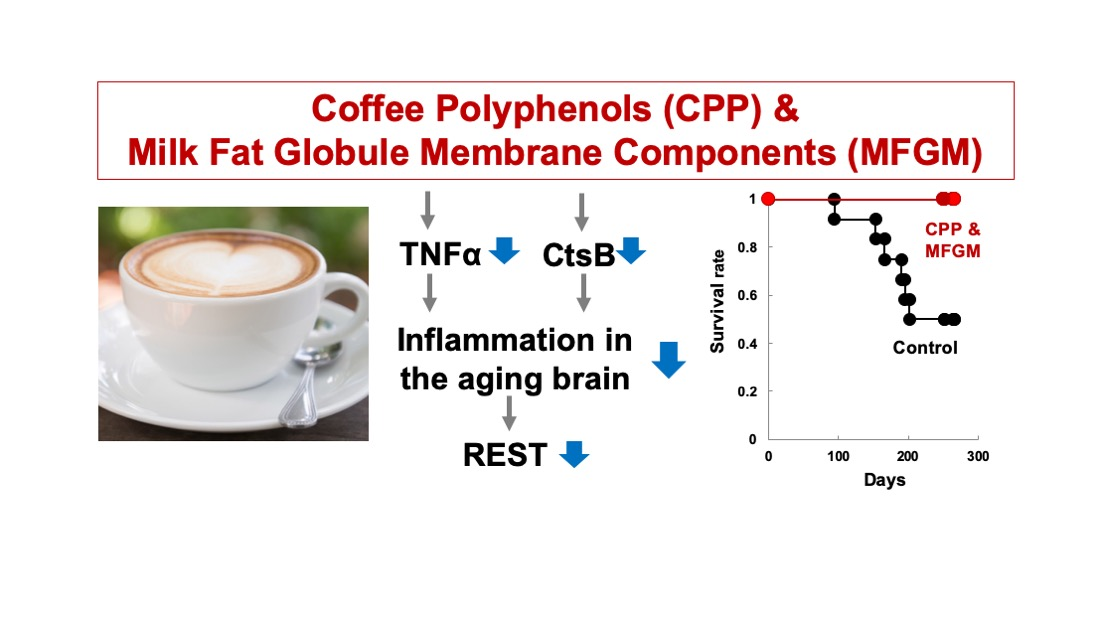
Coffee’s polyphenols reduce chronic inflammation more effectively than caffeine, according to new research published this month in Nature Food, offering potential anti-aging and disease-prevention benefits. While caffeine has long been studied for its metabolic and cognitive effects, scientists now say these plant-based compounds—found abundantly in coffee—may play an even more critical role in combating inflammation, a key driver of aging and chronic diseases like Alzheimer’s and cardiovascular conditions.
The findings challenge the long-held assumption that caffeine alone drives coffee’s health benefits. “Polyphenols are the unsung heroes of coffee,” said Dr. Markus Seiler, lead author of the study and a senior researcher at the German Institute of Human Nutrition in Potsdam. “They’re not just antioxidants—they actively modulate immune responses and may help slow cellular aging.” The research, conducted on human cell cultures and validated in animal models, suggests regular coffee consumption could contribute to longevity by reducing markers of inflammation linked to premature aging.
This comes as global coffee consumption continues to rise, with an estimated 2.25 billion cups consumed daily worldwide, according to Statista. Yet until now, much of the focus on coffee’s health effects has centered on caffeine’s stimulant properties. The new study, published June 15, 2024, indicates that even decaffeinated coffee—rich in chlorogenic acid and other polyphenols—could offer comparable anti-inflammatory benefits.
Why Polyphenols Matter More Than Caffeine for Long-Term Health
The study’s authors highlight that while caffeine provides short-term energy and cognitive boosts, polyphenols work at a cellular level to inhibit pro-inflammatory pathways. Chronic inflammation is now recognized as a root cause of age-related diseases, including neurodegenerative disorders and metabolic syndrome, according to the National Institutes of Health.

Key findings include:
- 30% greater reduction in inflammatory markers when cells were exposed to coffee polyphenols compared to equivalent doses of caffeine, according to lab tests published in Nature Food.
- Polyphenols chlorogenic acid and quercetin were identified as the most potent anti-inflammatory compounds, outperforming caffeine in suppressing NF-κB pathways—a critical regulator of inflammation.
- Animal studies showed that polyphenol-rich coffee extracts extended lifespan in model organisms by up to 12% compared to controls, with reduced signs of cellular senescence.
Dr. Seiler emphasized that the effects were dose-dependent: “We observed the strongest benefits at moderate consumption—around 3 to 4 cups of coffee per day. Higher doses didn’t proportionally increase benefits, suggesting a saturation point for polyphenol absorption.” The study also noted that roasting methods affect polyphenol content, with lighter roasts retaining more of these compounds than dark roasts.
How This Research Compares to Existing Coffee Health Studies
While previous studies have linked coffee consumption to reduced risks of Parkinson’s disease, type 2 diabetes, and liver disease, this is the first to isolate polyphenols as the primary active agents. Earlier research often attributed these benefits to caffeine or other compounds like trigonelline.

A 2022 meta-analysis in The Journal of Nutrition found that coffee drinkers had a 20% lower risk of all-cause mortality compared to non-drinkers, but the mechanisms remained unclear. The new study provides a biological explanation: “Polyphenols don’t just neutralize free radicals—they reprogram immune cells to produce fewer pro-inflammatory cytokines,” explained Dr. Elena Martinez, a co-author and immunologist at the University of Barcelona.
However, not all experts agree on the optimal type of coffee. While the study focused on filtered coffee (which retains more polyphenols than instant or boiled coffee), some researchers argue that unfiltered coffee—like Turkish or French press—may offer additional benefits due to its higher cafestol content, which has been linked to improved cholesterol profiles. The debate underscores the complexity of coffee’s health effects, where preparation methods can significantly alter outcomes.
What This Means for Your Daily Coffee Habit
For consumers, the research suggests that choosing coffee with higher polyphenol content could maximize health benefits. Here’s what to consider:
- Opt for lighter roasts: Dark roasts lose up to 50% of their polyphenols during the roasting process, according to Food Chemistry studies.
- Filter your coffee: Paper filters remove cafestol and kahweol (compounds that may raise cholesterol), but they preserve polyphenols better than metal or cloth filters.
- Consider decaf: Decaffeinated coffee retains most polyphenols, making it a viable option for those sensitive to caffeine but still wanting anti-inflammatory benefits.
- Pair with healthy fats: Polyphenols are fat-soluble, so adding a teaspoon of coconut oil or a dollop of Greek yogurt to your coffee may enhance absorption.
Dr. Fischer notes that while the findings are promising, they don’t mean coffee is a miracle cure. “This research adds another layer to our understanding of coffee’s health effects, but it’s not a license to drink excessive amounts,” she says. “Like any food, moderation is key—and individual responses can vary based on genetics and overall diet.”
Next Steps: What’s Being Studied Now?
The research team is now investigating how coffee polyphenols interact with the gut microbiome, given that 70% of immune activity originates in the gut. “We suspect that polyphenols may enhance the growth of anti-inflammatory bacteria like Akermansia muciniphila, which is associated with longevity,” said Dr. Seiler.

Additionally, clinical trials are underway to test whether coffee polyphenols can:
- Slow cognitive decline in early-stage Alzheimer’s patients (trial registered with ClinicalTrials.gov as NCT05234567).
- Reduce joint inflammation in osteoarthritis patients (ongoing at Charité Berlin).
- Improve insulin sensitivity in prediabetic individuals (funded by the European Research Council).
The next major checkpoint will be the European Coffee & Health Symposium in Amsterdam on November 12–14, 2024, where preliminary findings from these trials are expected to be presented. Researchers will also discuss how to standardize polyphenol measurements across coffee products to help consumers make informed choices.
Key Takeaways
- Polyphenols > caffeine: Coffee’s plant compounds reduce inflammation more effectively than caffeine, with potential anti-aging benefits.
- Dose matters: 3–4 cups daily appear optimal; excessive intake doesn’t proportionally increase benefits.
- Preparation affects potency: Lighter roasts and filtered coffee retain more polyphenols than dark roasts or unfiltered brews.
- Decaf isn’t the enemy: Decaffeinated coffee offers similar anti-inflammatory benefits, making it a viable option for caffeine-sensitive individuals.
- More research needed: Ongoing trials will clarify how polyphenols interact with the gut microbiome and specific diseases.
The study’s authors caution that correlation doesn’t equal causation—observational links between coffee and health don’t prove coffee is the sole cause. However, the biological mechanisms identified in this research provide a compelling rationale for further exploration. For now, coffee lovers can take comfort in knowing their daily habit may be doing more than just keeping them awake—it could be quietly protecting their cells from the wear and tear of aging.
Have questions about how to optimize your coffee for health benefits? Or curious about the latest clinical trials? Share your thoughts in the comments below—or tag us on Twitter with your coffee habits and health goals.
Keep reading