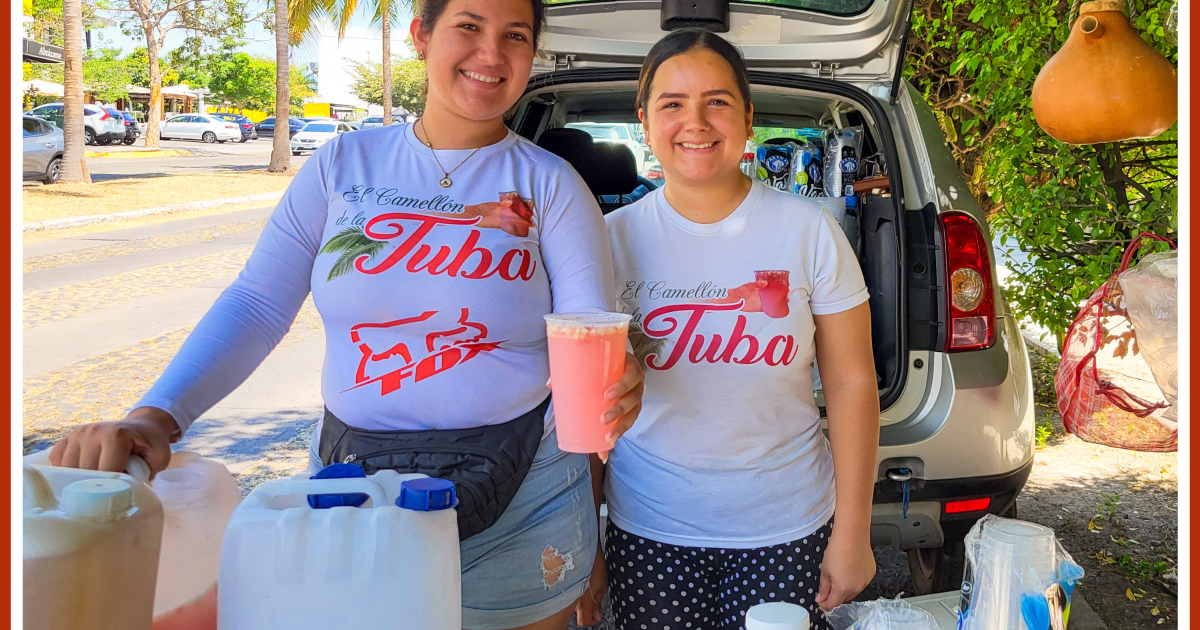
The historical trade route connecting the Pacific coast of Mexico with the Philippines, known as the Manila-Acapulco Galleon Trade, facilitated a centuries-long exchange of goods, culture, and techniques, including the production of tuba—a traditional fermented palm sap beverage. In the Mexican state of Colima, local producers are increasingly reviving the craft of harvesting and fermenting this spirit, which shares a direct lineage with the coconut wine traditions brought to New Spain by Filipino sailors and workers starting in 1565.
According to the Secretaría de Cultura de México, the galleon trade functioned as the primary link between Asia and the Americas for 250 years, arriving first at the port of Acapulco before spreading its influence across the region. The introduction of Filipino distillation and fermentation methods was so significant that it influenced the development of various regional spirits in Western Mexico, with Colima serving as a focal point for the preservation of these specific botanical traditions.
The Historical Origins of the Galleon Trade
The connection between the Philippines and Mexico was formalized following the expedition of Miguel López de Legazpi in 1565. As noted by the National Park Service, the galleons carried not only luxury goods like silk and porcelain but also agricultural knowledge. Filipino laborers, often referred to as “Indios Luzones,” were essential to the operation of the ships and the subsequent settlement of coastal Mexican communities. They introduced the technique of extracting sap from coconut palms, which they fermented into a beverage known locally in the Philippines as tuba.
In Colima, this practice became deeply embedded in the local landscape. Historical records from the colonial period indicate that the production of palm-based spirits was so prevalent that it eventually drew the attention of Spanish authorities, who sought to regulate or tax the industry to protect the market for European wines and brandies. Despite these historical restrictions, the knowledge of how to tap the palm trees for sap remained within rural communities, surviving as a niche culinary tradition.
Reviving Traditional Fermentation in Colima
Today, the revival of this craft in Colima is driven by a renewed interest in artisanal, pre-industrial foodways. Local producers in the region are working to standardize the collection of the sap, which requires climbing coconut palms twice daily to collect the liquid before it undergoes natural fermentation. As reported by the Revista de Geografía Agrícola, the process is labor-intensive and requires specific ecological conditions, making it a distinct marker of the coastal agricultural identity.

The contemporary movement aims to preserve the cultural heritage of the “Galleon Route” while promoting sustainable agricultural practices. By focusing on small-batch production, practitioners are moving away from mass-market alcohol production to highlight the historical and botanical significance of the coconut palm. This effort is supported by regional cultural organizations that document the oral histories of families who have maintained the tapping techniques for generations.
Cultural Impact and Culinary Legacy
The legacy of the Manila-Acapulco trade is visible in more than just the beverage industry; it has influenced the culinary vocabulary and social customs of the Pacific coast of Mexico. The term “tuba” itself remains the standard name for the drink in both the Philippines and Colima, a linguistic artifact of the intense cross-Pacific interaction. The UNESCO Memory of the World program has previously recognized the documentation of the galleon trade as a significant chapter in the history of global globalization.
For researchers and historians, the persistence of this tradition offers a tangible link to the colonial era. While the trade route itself ceased operations in 1815, the cultural adaptation of the Filipino palm-tapping method demonstrates the resilience of indigenous and immigrant knowledge systems in the face of changing political and economic landscapes. The current interest in Colima is not merely a gastronomic trend but a deliberate effort to reclaim a narrative of trans-Pacific cooperation that predates modern global trade agreements.
Looking Ahead: Preservation and Research
The next phase for the preservation of this tradition involves the formal cataloging of the specific palm species and fermentation bacteria used by local harvesters, according to ongoing agricultural studies at the Universidad de Colima. Future research is expected to focus on the genetic diversity of the palms and how they have adapted to the specific climate of the Mexican Pacific coast over the last four centuries.

As these local producers continue to refine their processes, they invite both domestic and international interest in the history of the galleon trade. Readers interested in the cultural history of Western Mexico or the specifics of the Manila-Acapulco route can find further documentation through the archives of the Mexican Ministry of Culture. We encourage readers to share their own findings or comments on the legacy of global trade routes in the comments section below.
Related reading