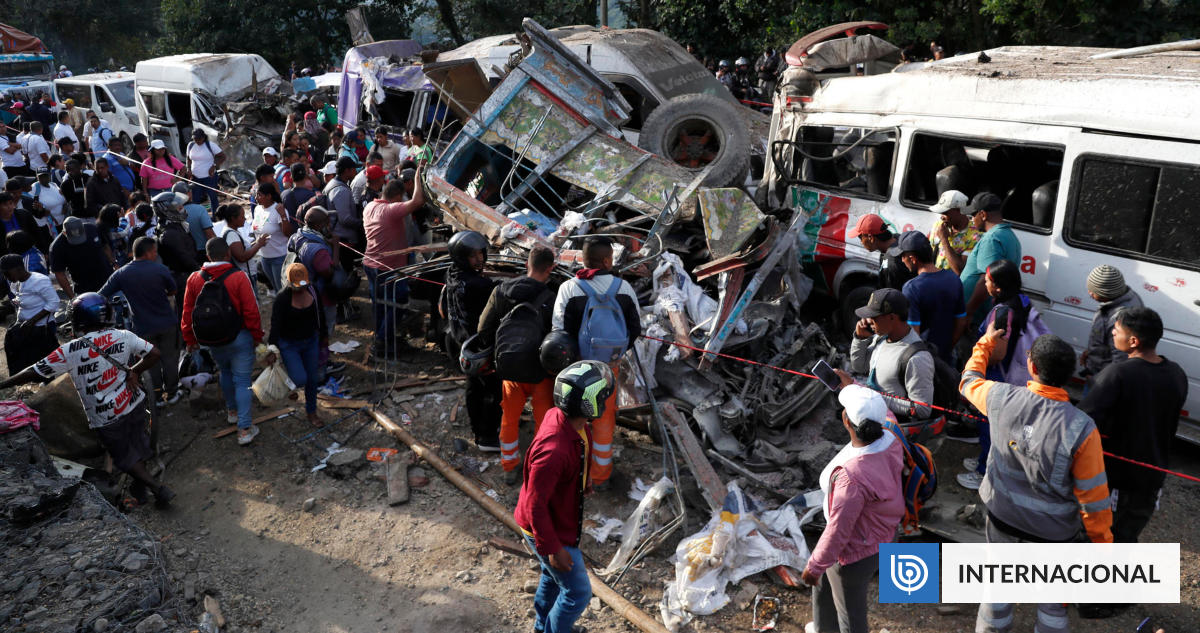
An explosive attack on a highway in southern Colombia has left 14 people dead and 38 injured, according to the latest official figures released by national authorities. The blast occurred on a stretch of road connecting the Cauca and Valle del Cauca departments, a region long affected by armed group activity and illicit crop cultivation. Emergency responders arrived at the scene to find significant wreckage and multiple casualties, with victims transported to nearby medical facilities for treatment. The incident marks one of the deadliest attacks on civilian infrastructure in the country in recent months.
Colombian President Gustavo Petro condemned the bombing in a public statement, describing it as an act of terrorism aimed at destabilizing communities and undermining state presence in remote areas. He emphasized that the government would pursue all available legal and military tools to identify and apprehend those responsible. The president also called for unity among Colombians in the face of such violence, urging citizens not to let fear divide the nation. His remarks came during a televised address from the Palace of Nariño in Bogotá.
Initial investigations point to the possible involvement of armed groups operating outside the law, particularly factions that rejected the 2016 peace agreement with the former FARC guerrilla movement. These dissident factions have maintained a presence in the jungles and rural zones of southern Colombia, where they continue to engage in drug trafficking, extortion, and sporadic attacks on security forces and infrastructure. While no group has claimed responsibility for the blast, officials have not ruled out links to criminal networks seeking to control key transit routes.
The attack took place along a vital corridor used for both legal commerce and the movement of illicit goods, making it a frequent target for armed groups attempting to assert control or disrupt government operations. Local residents have reported increased anxiety in the wake of the explosion, with many avoiding travel on the affected route unless absolutely necessary. Humanitarian organizations have begun coordinating with local authorities to provide medical and psychological support to survivors and families of the deceased.
According to data from the Colombian National Police, over 120 explosive incidents were recorded on highways and rural roads nationwide in 2023, with a significant concentration in the southwest region. These devices, often improvised using readily available materials, are frequently detonated remotely or via tripwires, posing a persistent threat to both civilians and security personnel. Authorities have increased patrols and surveillance in high-risk zones, though rugged terrain and limited state presence continue to challenge prevention efforts.
Regional officials from Cauca have called for greater investment in road safety measures, including the installation of surveillance cameras and routine inspections of vehicles passing through checkpoints. They also urged the national government to accelerate development programs aimed at reducing rural poverty, which they argue is a root cause of recruitment into illegal armed groups. Community leaders emphasized that long-term stability requires more than military responses—it demands access to education, healthcare, and legitimate economic opportunities.
The United Nations Office on Drugs and Crime (UNODC) has previously highlighted Colombia’s ongoing struggle with illicit crop cultivation, noting that despite eradication efforts, coca farming remains widespread in areas where state presence is weak. Such regions often turn into hubs for armed group activity, as traffickers exploit the lack of governance to process and transport cocaine. International partners have supported alternative development initiatives, though progress has been uneven due to security risks and bureaucratic delays.
In recent years, Colombia has seen a shift in the nature of violence, with fewer large-scale battles but a rise in targeted attacks, extortion, and confinement of civilian populations. A report from the Armed Conflict Location & Event Data Project (ACLED) observed that while conflict-related fatalities have decreased under President Petro’s administration, non-lethal forms of violence—such as threats, forced displacement, and roadblocks—have become more pervasive, particularly in rural communities.
Forensic teams from the Technical Investigation Corps (CTI) are currently analyzing evidence collected from the blast site, including fragments of the explosive device and video footage from nearby security cameras. Investigators are working to determine the type of material used, the method of detonation, and the likely placement of the bomb. Results from the analysis are expected to be shared with prosecutors and judicial authorities as part of the ongoing criminal investigation.
The Attorney General’s Office has opened a formal inquiry into the incident, treating it as a potential act of terrorism under Colombian law. Prosecutors have indicated that they will pursue charges against anyone found to have planned, financed, or executed the attack, regardless of affiliation. Legal experts note that convictions in such cases often rely heavily on digital evidence, witness testimony, and intelligence gathered through intercepted communications.
As the investigation continues, officials have urged the public to remain vigilant and report any suspicious activity to authorities through official channels. A national hotline remains active for tips related to criminal organizations and illegal armed groups, with assurances of anonymity for those who approach forward. Meanwhile, medical personnel continue to monitor the condition of the injured, several of whom remain in critical condition in intensive care units.
The government has announced that it will provide financial assistance to the families of those killed in the blast, including support for funeral expenses and transitional aid. Details of the compensation package are being coordinated between the Ministry of Interior and the Unit for Victims’ Affairs, with disbursements expected to initiate in the coming weeks. Officials stressed that the state’s commitment to victims extends beyond immediate relief to long-term reparations and recognition.
This latest tragedy underscores the enduring challenges Colombia faces in consolidating peace and security more than seven years after the historic peace accord with the FARC. While significant progress has been made in demobilizing fighters and integrating former combatants into civilian life, dissident groups and criminal bands continue to exploit gaps in governance. Analysts warn that without sustained investment in rural development and institutional strength, cycles of violence may persist in vulnerable regions.
As authorities operate to uncover the full circumstances behind the attack, the focus remains on delivering justice for the victims and strengthening protections for communities living along Colombia’s most vulnerable corridors. The incident serves as a somber reminder of the fragility of peace and the ongoing demand for vigilance, investment, and national unity in the face of threats to public safety.
For updates on the investigation and official statements, readers are encouraged to consult the websites of the Colombian National Police, the Attorney General’s Office, and the Presidency of Colombia. These platforms regularly publish verified information regarding security incidents, legal proceedings, and government responses to acts of violence.
If you found this report informative, please consider sharing it to help others stay informed about developments in Colombia’s security landscape. Thoughtful and respectful comments are welcome below as we continue to cover this evolving story with accuracy and care.
Keep reading