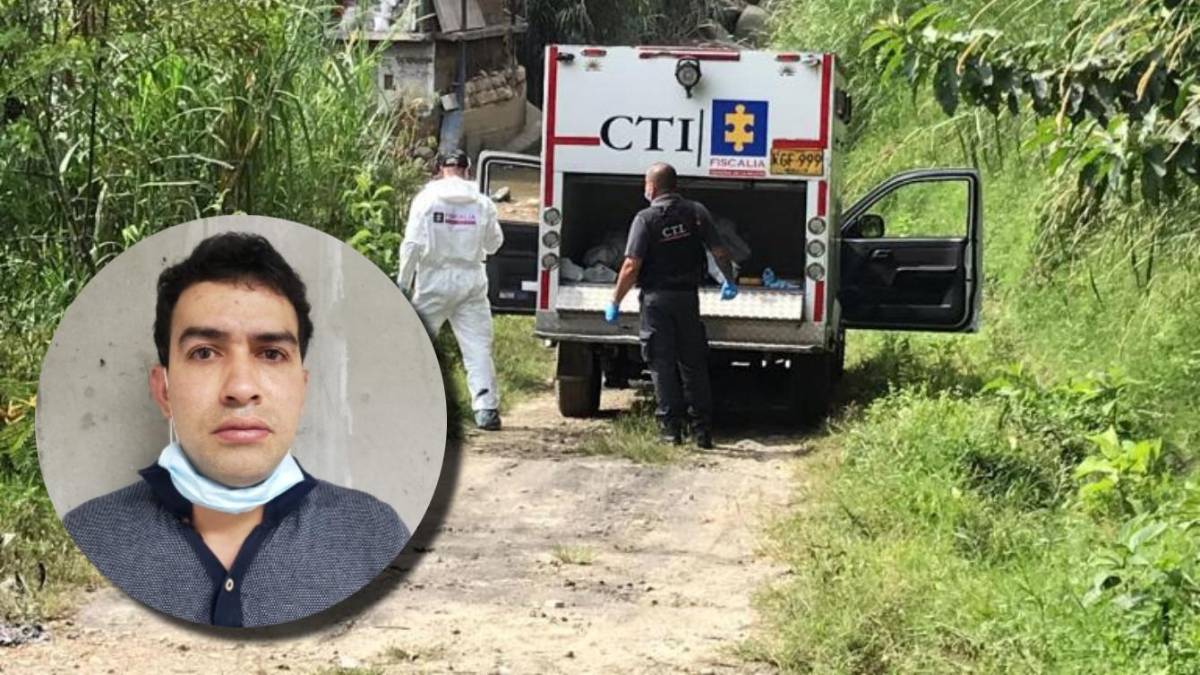
Colombian authorities have intensified efforts to dismantle criminal networks operating in eastern Antioquia, offering rewards of up to 250 million Colombian pesos for information leading to the capture of key gang leaders. The initiative, announced by regional security officials, targets groups involved in extortion, drug trafficking, and violent territorial disputes that have destabilized communities across the Oriente Antioqueño region.
The reward program forms part of a broader security strategy deployed after a surge in criminal activity prompted the Antioquia Department government to request increased intervention from the Gaula, the specialized anti-extortion and anti-kidnapping unit of the National Police. Officials say the financial incentive aims to encourage public cooperation while protecting informants’ identities through secure channels.
According to verified reports from the Antioquia Governor’s Office, the offer specifically names leaders of the Clan del Golfo and residual structures of the FARC-EP as primary targets. These groups have been linked to a pattern of threats against local merchants, transporters, and community leaders in municipalities including Rionegro, La Ceja, El Retiro, and San Vicente Ferrer.
The Gaula has confirmed receipt of multiple tips since the program’s launch, though no arrests have yet been publicly attributed directly to the reward initiative. Authorities stress that all information is processed confidentially and that payments are made only after verification and judicial validation of the intelligence provided.
Security Measures Escalate in Response to Public Order Crisis
In parallel with the reward offer, municipal and departmental authorities have implemented heightened security protocols in the Oriente Antioqueño. These include increased police patrols, installation of surveillance cameras in high-risk zones, and temporary checkpoints along major routes connecting Medellín to eastern municipalities.
The measures follow a formal request by Governor Andrés Julián to the National Police and the Gaula for “contundencia” — a term used in Colombian security discourse to denote decisive, forceful action — against extortion rings that have reportedly demanded payments from small businesses, farmers, and informal vendors.
Telemedellin.tv reported that Rionegro, the region’s largest city, has seen a 40% increase in extortion complaints compared to the same period last year, a figure cited by the city’s Secretary of Government during a public security briefing. The outlet noted that local businesses, particularly those in commerce and transportation sectors, have been disproportionately affected.
Caracol Radio added that the Gaula has established a dedicated hotline and digital platform for reporting extortion attempts, emphasizing that callers can remain anonymous and that information is cross-checked with intelligence units before any operational response.
Understanding the Criminal Landscape in Eastern Antioquia
The Oriente Antioqueño, a mountainous and economically diverse region northeast of Medellín, has long faced challenges related to illicit economies. Its proximity to major transportation corridors and rural areas with limited state presence has made it vulnerable to the presence of armed groups seeking to control illegal markets.
The Clan del Golfo, Colombia’s largest active drug-trafficking organization, has expanded its influence in the region over the past decade, according to analyses by the Fundación Paz y Reconciliación. The group is known to impose “vacunas” — extortion payments — on agricultural producers, miners, and transport workers under threat of violence.
Residual FARC-EP structures, though formally demobilized under the 2016 peace accord, have been accused by the Attorney General’s Office of maintaining criminal enterprises in areas where state oversight remains weak. These factions are often involved in cocaine production, illegal mining, and extortion schemes targeting rural communities.
The United Nations Office on Drugs and Crime (UNODC) has noted in its annual reports that eastern Antioquia remains a hotspot for illicit crop cultivation and associated violence, though recent eradication efforts have shown modest progress in reducing coca hectares in select municipalities.
Who Is Affected and What’s at Stake
The ongoing insecurity has tangible effects on daily life for residents of eastern Antioquia. Small business owners report having to allocate portions of their income to extortion payments, sometimes forcing them to reduce staff or close operations. Farmers in remote veredas (hamlets) describe avoiding certain roads or delaying harvests due to fear of interception by armed groups.
Community leaders and human rights defenders have also been targeted, with several receiving threats linked to their operate on land restitution or environmental protection. The Ombudsman’s Office of Colombia has issued early warnings about increased risks to social leaders in the region, urging protective measures from national authorities.
Local governments say the instability discourages investment and hampers efforts to improve infrastructure, education, and healthcare access. Municipalities like El Retiro and La Unión have cited security concerns as a factor in delayed public works projects.
Next Steps and Public Cooperation
Authorities have not announced a specific end date for the reward program, stating it will remain active as long as criminal threats persist. The Gaula continues to evaluate incoming tips and coordinate with judicial authorities to build cases against identified suspects.
For those wishing to provide information securely, the Gaula offers multiple channels: a toll-free hotline (165), a dedicated email address ([email protected]), and an encrypted online form available through the National Police website. All submissions are treated confidentially, and informants may request protection under Colombia’s witness security program.
Officials encourage the public to report any suspicious activity, including threats, unexplained surveillance, or demands for payment, emphasizing that even seemingly minor details can contribute to larger investigations.
As of the latest update, no arrests have been publicly tied to the reward offer, but authorities say several investigations are underway based on information received. The next official security assessment for the Oriente Antioqueño is expected from the Department’s Interior Secretariat in the coming weeks.
If you have information that could help authorities dismantle criminal networks in eastern Antioquia, you can contact the Gaula through official channels. Your identity will be protected, and your contribution could make a difference in restoring safety to affected communities.
We invite readers to share this article to help spread awareness of the ongoing efforts to combat crime in the region. Comments and insights from those familiar with local conditions are welcome below.
Keep reading