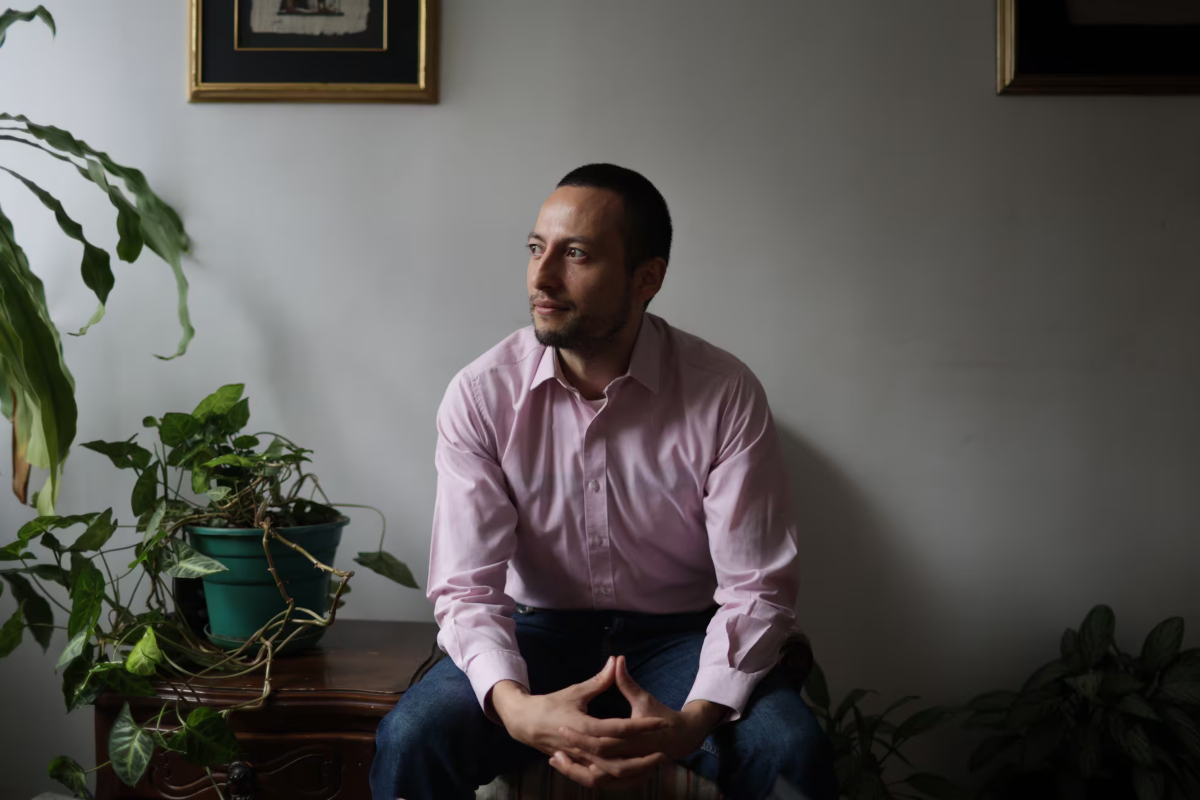
Bogotá, Colombia – Manuel Tique, a 33-year-old Colombian humanitarian worker, has spoken out following his recent release from El Rodeo I, a maximum-security prison in Venezuela, where he was detained for 16 months. Accused of terrorism and acting as a “mercenary” by the Venezuelan government, Tique’s case highlights the complex political landscape and the plight of political prisoners in the country. His release, however, has been met with a call for continued dialogue and action to secure the freedom of other Colombian nationals still imprisoned in Venezuela. The situation underscores the fragile state of relations between the two nations and the ongoing efforts to address human rights concerns.
Tique, who worked with the Danish Refugee Council (DRC), was arrested in September 2024 in the Venezuelan state of Apure, which borders Colombia, while conducting training related to his humanitarian work. He described his arrest as a “kidnapping,” stating that his passport was never stamped and he was left unaware of the charges against him, initially believing it might be a simple immigration issue. His ordeal, as recounted in an interview with Spanish newspaper El País, paints a grim picture of life inside El Rodeo I, a facility that has been repeatedly condemned by human rights organizations for its harsh conditions. The details of his detention come amid a broader wave of prisoner releases in Venezuela, following pressure from both military and economic fronts after the reported fall of Nicolás Maduro’s government.
Conditions Inside El Rodeo I
Tique’s account of his imprisonment reveals the brutal realities faced by those held within El Rodeo I. He described being confined to a cell measuring just 4×2 meters, plagued by cockroaches and the stench of human waste. For the first 22 days, he remained isolated, receiving food through a small opening in the door. The formal accusation against him – financing and collaborating with terrorist groups – came months later, publicly leveled by Interior Minister Diosdado Cabello. Tique was reportedly never shown the video of this accusation. These conditions align with reports from organizations like Amnesty International and the World Organization Against Torture, which have documented “cruel, inhuman, and degrading” treatment within the prison, potentially amounting to torture. El País details how during a peaceful protest, riot police allegedly deployed pepper spray directly into his cell, causing him breathing difficulties.
To cope with the isolation and despair, Tique and fellow inmates found solace in creating makeshift games, crafting chess and parcheesi pieces from soap. This small act of resistance and community highlights the resilience of those imprisoned within the facility. His story underscores the psychological toll of prolonged detention and the desperate measures individuals grab to maintain a semblance of normalcy in the face of adversity.
A Wave of Releases, But Uneven Progress
Since January 8th, Venezuelan authorities have released over 300 political prisoners, including citizens from Spain, Italy, the Netherlands, and the United States, according to civil organizations cited by El País. However, Tique’s case illustrates a disparity in the releases, with Colombian nationals appearing to be significantly underrepresented. “We saw people of all nationalities being released, except us,” Tique stated, expressing both relief for others and frustration at the continued detention of his compatriots. His own release, he described as unexpected, occurring while he believed he was being summoned for reprimand. He left the prison with only sandals on his feet.
Following his release from El Rodeo, Tique alleges he was taken to a station of the Directorate General of Military Counterintelligence (Dgcim), where he was compelled to record a video stating that his rights had not been violated. This claim raises concerns about potential coercion and the manipulation of narratives surrounding prisoner releases. The incident highlights the complexities of navigating the Venezuelan legal system and the potential for political pressure to influence outcomes.
The Call for Dialogue and Action
Having returned to Cúcuta and reunited with his family in Bogotá, Tique remains deeply concerned for those still incarcerated in Venezuela. “I don’t sleep thinking about those who remain imprisoned. I know what they are going through,” he said, expressing the emotional weight of his freedom alongside the anguish of those left behind. The Venezuelan National Assembly recently approved an amnesty law that could potentially benefit some Colombian political prisoners, but the evaluation of each case will be carried out by the courts.
Tique has expressed gratitude to the Danish Refugee Council for their psychological and social support following his release, but he has yet to receive any official communication from the Colombian government. In a direct appeal to Colombian President Gustavo Petro, Tique urged him to personally engage in dialogue with Delcy Rodríguez, the Venezuelan executive vice president. “Not a single Colombian should remain kidnapped. It is an injustice,” he stated, emphasizing the urgency of the situation and the require for direct diplomatic intervention. This plea underscores the critical role of government action in securing the release of its citizens and addressing the broader issue of political imprisonment in Venezuela.
The case of Manuel Tique serves as a stark reminder of the human cost of political instability and the importance of international pressure in advocating for human rights. While the recent wave of prisoner releases offers a glimmer of hope, the continued detention of Colombian nationals and the allegations of coercion and inhumane conditions demand sustained attention and concerted efforts to ensure the full protection of their rights. The situation also highlights the need for continued dialogue between Colombia and Venezuela to address the underlying issues that contribute to these injustices.
As of February 22, 2026, the Colombian government has not publicly responded to Tique’s call for direct engagement with Venezuelan officials. Further developments are expected as the Venezuelan courts begin evaluating cases for potential amnesty under the recently approved law. The international community continues to monitor the situation closely, urging transparency and adherence to international human rights standards. Readers are encouraged to share their thoughts and perspectives on this critical issue in the comments section below.
Keep reading