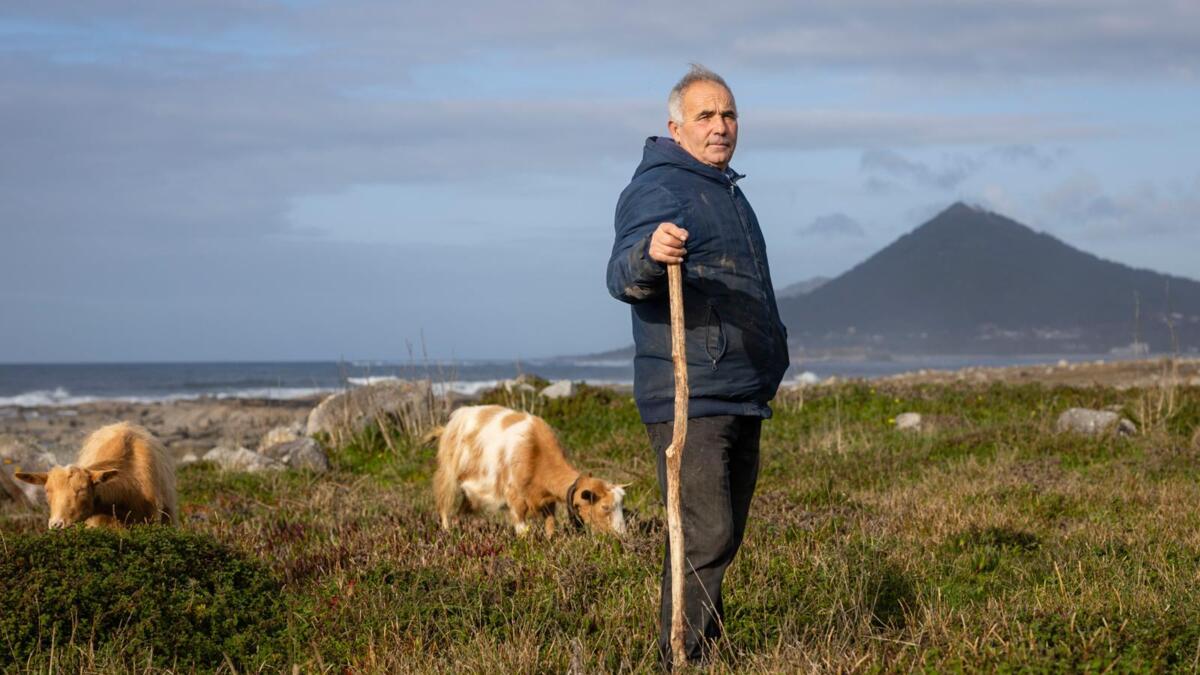
The Portuguese Coastal Camino: A Pilgrim’s Guide
The Portuguese Coastal Camino, or Caminho Português da Costa, is gaining popularity as an alternative route to the traditional Camino Francés. This stunning path offers pilgrims a unique experience, combining the spiritual journey of the Camino de Santiago with the beauty of the Portuguese and Spanish coastlines. This article provides a comprehensive overview of the Portuguese Coastal Camino, covering it’s route, challenges, and what makes it a rewarding experience for modern-day pilgrims.
Understanding the Portuguese Coastal Camino
The Portuguese Coastal Camino is one of the oldest pilgrimage routes to Santiago de Compostela. It typically begins in Porto, Portugal, and stretches approximately 280 kilometers (174 miles) to Santiago de Compostela in Spain. Unlike some inland routes, this Camino largely follows the Atlantic coastline, offering breathtaking views and a refreshing sea breeze. The route is well-marked, though some sections require careful attention to the signage.
Route Highlights and Stages
The journey from Porto to Santiago is typically broken down into stages,allowing pilgrims to manage the distance and enjoy the scenery. key highlights include:
- Porto: Starting in Portugal’s second-largest city, pilgrims can explore its historic Ribeira district, a UNESCO World Heritage site, and enjoy the famous Port wine cellars.
- Viana do Castelo: A charming coastal town with a beautiful basilica and stunning views from Mount Santa Luzia.
- A guarda: A historic town overlooking the mouth of the Miño River, marking the border between Portugal and Spain.
- Baiona: A picturesque Spanish coastal town with a rich maritime history, known as the first European port to receive Christopher Columbus after his voyage to America.
- Pontevedra: A vibrant city with a well-preserved historic center and a lively atmosphere.
- Padrón: Traditionally considered the end of the Portuguese way,Padrón is famous for its pimientos de Padrón (small green peppers). From here, it’s a short final walk to Santiago.
- Santiago de Compostela: The ultimate destination, home to the magnificent Santiago de Compostela Cathedral, the reputed burial place of St.James the Apostle.
Challenges and Readiness
While the Portuguese Coastal Camino is known for its beauty, it also presents certain challenges. Pilgrims should be prepared for:
- Terrain: The route includes a mix of terrains, from paved roads and coastal paths to some hilly sections and sandy beaches.
- Distance: Daily distances can vary, but typically range from 20-30 kilometers (12-19 miles).
- accommodation: While the number of albergues (pilgrim hostels) has increased, booking in advance, especially during peak season, is highly recommended. [[1]]
- Weather: The Atlantic coast can experience unpredictable weather, so packing for all conditions is essential.
- Blisters: Proper footwear and blister prevention are crucial, as the route can be tough on the feet.
Essential packing List
- Comfortable and broken-in hiking boots
- Moisture-wicking socks
- Backpack (40-50 liters)
- Rain gear
- Sunscreen and hat
- First-aid kit (including blister treatment)
- Reusable water bottle
- Pilgrim passport (credencial)
Why Choose the Portuguese Coastal Camino?
The Portuguese Coastal Camino offers a unique blend of physical challenge, spiritual reflection, and cultural immersion. The stunning coastal scenery, tasty Portuguese cuisine, and welcoming locals create an unforgettable experience. [[3]] It’s a particularly good choice for those who enjoy walking by the sea and prefer a less crowded route then the Camino francés.
Planning Your Journey
several resources are available to help pilgrims plan their Portuguese Coastal Camino:
- Camino de Santiago Forums: Online communities like [[2]] offer valuable facts, advice, and support from fellow pilgrims.
- Guidebooks: Numerous guidebooks provide detailed maps, stage descriptions, and accommodation listings.
- Tour Operators: Several companies offer guided tours and logistical support for the portuguese Coastal Camino.
Final Thoughts
The Portuguese Coastal camino is a rewarding pilgrimage that offers a unique outlook on the Camino de Santiago experience. With careful planning and preparation, pilgrims can enjoy the beauty of the Portuguese and Spanish coastlines while embarking on a journey of self-discovery and spiritual growth.As the Camino continues to grow in popularity, the Portuguese Coastal route provides a compelling alternative for those seeking a more tranquil and scenic adventure.
Keep reading