The political landscape in Colombia is facing a period of heightened judicial scrutiny as the country prepares for the upcoming electoral cycle. On May 28, 2026, the Consejo de Estado—Colombia’s highest administrative court—issued a formal order directing President Gustavo Petro to refrain from disseminating content that could be construed as political propaganda or partisan participation. This ruling marks a significant moment in the ongoing discourse regarding the boundaries of executive communication during sensitive pre-election periods.
As we monitor the 2026 Colombian presidential elections, this judicial intervention serves as a reminder of the strict constitutional prohibitions against public officials using their office to influence electoral outcomes. The court’s decision follows a series of petitions questioning the nature of official communications released by the presidency, highlighting the tension between the government’s right to inform the public and its duty to maintain institutional neutrality. For those following regional developments, this case underscores the increasing role of the judiciary in policing democratic norms across Latin America.
Judicial Oversight and Executive Conduct
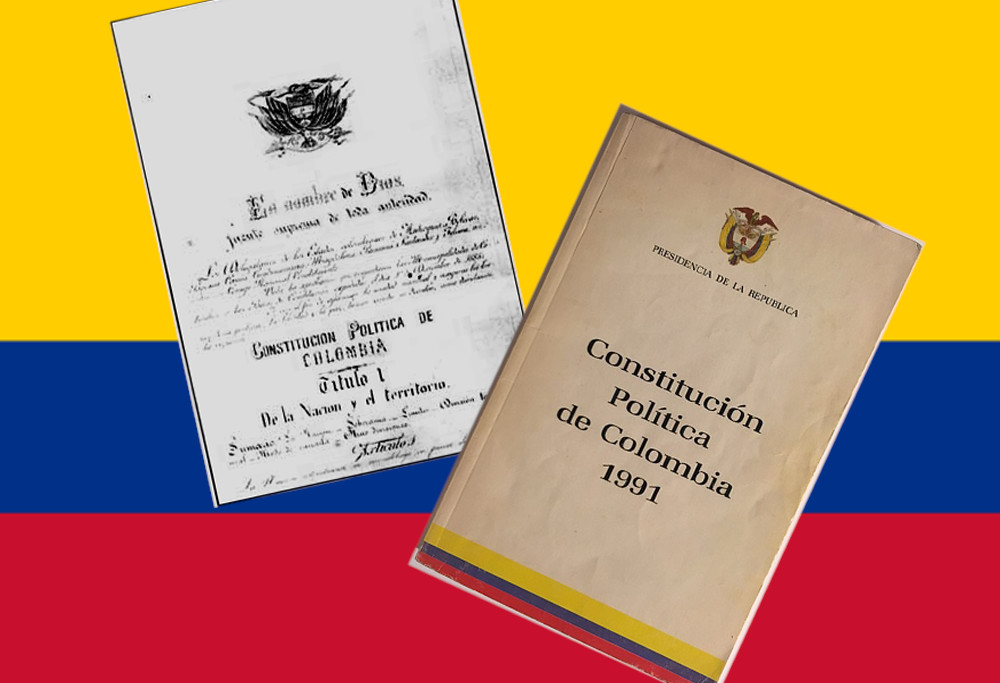
The directive from the Consejo de Estado is rooted in the Colombian Constitution, which mandates that public servants must remain impartial during electoral processes. According to the Colombian Constitution, the exercise of public authority is strictly separated from political campaigning to ensure a level playing field for all candidates. The court’s intervention is not merely a procedural step but a legal mechanism designed to safeguard the integrity of the democratic process as stipulated in the Procuraduría General de la Nación guidelines on public official participation in politics.
In the context of the 2026 elections, the court’s order functions as a precautionary measure. It mandates that official channels must be used exclusively for state business and not to promote or denigrate any specific political movement. This development has sparked a wider national conversation about the limits of executive power in the digital age, where the line between government policy updates and political messaging often becomes blurred. Legal analysts note that the court is acting within its authority to ensure that the electoral process remains free from undue influence by those currently in power.
The Legal and Political Implications
The situation in Bogota remains fluid. Beyond this specific order, there is ongoing legislative and judicial attention regarding the conduct of the current administration. Reports from various legal monitoring bodies have indicated that there are multiple ongoing investigations involving the executive branch, ranging from administrative inquiries to potential disciplinary reviews regarding adherence to electoral laws. These proceedings are handled by the Comisión de Investigación y Acusación, which is tasked with investigating the conduct of high-ranking officials.

It is important to distinguish between the various legal challenges currently impacting the administration. While the Consejo de Estado focuses on the administrative aspects of electoral neutrality, other bodies are reviewing compliance with disciplinary statutes. These investigations are standard components of the oversight mechanisms in a functioning democracy, intended to ensure that all state actors remain within their constitutional mandates. For the electorate, the key takeaway is the active nature of these institutions in responding to concerns raised by political observers and civil society organizations.
What Happens Next
As of late May 2026, the administration is expected to comply with the court’s directive, though the legal arguments regarding the definition of “propaganda” versus “official information” may continue in lower courts. The next key checkpoint will involve a review by the court to ensure compliance with the order. Any further developments regarding these proceedings will be documented in the official Consejo de Estado records, which serve as the primary source for judicial rulings in the country.
The electoral calendar is moving forward, and voters are encouraged to stay informed through official channels, including the Registraduría Nacional del Estado Civil, which manages the technical aspects of the voting process. As we move closer to the 2026 polls, the focus will likely shift toward candidate platforms and the substantive policy debates that will define the future of the nation. We will continue to provide updates on these developments as they unfold, maintaining our commitment to neutral, fact-based reporting on global affairs.
What are your thoughts on the balance between executive communication and electoral neutrality? Join the conversation below and share this report with your network to keep the discussion informed.