,regionOfInterest=(984,624)&hash=0dc07acfc224239ccf637887a6b948742c3789970d80c71696da6cc9e3bd2bd1)
The intersection of environmental consciousness and high-end real estate has produced a unique architectural phenomenon in the American West. In Colorado, a custom-built residence, constructed largely from repurposed materials including discarded tires, earth, and thousands of glass bottles, has recently entered the luxury market. This structure, often categorized within the architectural movement known as “Earthship” design, represents a growing trend of sustainable living that challenges traditional notions of luxury real estate.
As we observe the evolution of the global housing market, the emergence of such a high-value property built from reclaimed waste serves as a compelling case study in sustainable development. The project highlights the increasing intersection of eco-conscious engineering and the high-end property sector, where the value proposition is shifting from traditional luxury materials to carbon-neutral efficiency and self-sufficiency. For those tracking the luxury sustainable real estate market, this listing provides a tangible example of how unconventional construction methods are finding a place in the million-dollar price bracket.
The Mechanics of Earthship Architecture
The home in question utilizes a design philosophy pioneered by architect Michael Reynolds, who founded Earthship Biotecture in the 1970s. These structures are designed to be “off-grid,” meaning they function independently of municipal utilities. The primary building blocks—recycled tires packed with earth—act as thermal mass, absorbing heat during the day and releasing it slowly at night to maintain a comfortable indoor temperature without the need for traditional HVAC systems.
Beyond the thermal mass, these homes incorporate passive solar design principles. Large, south-facing windows are a hallmark of the style, allowing sunlight to penetrate deep into the living space. According to official documentation from Earthship Biotecture, these homes are designed to capture and store their own water, manage sewage through internal botanical cells, and generate electricity through renewable sources like solar or wind power. This integration of circular economy principles into residential construction is what differentiates these properties from standard “green” homes that merely incorporate energy-efficient appliances.
Market Valuation and the Premium on Sustainability
The listing of this Colorado property for over $1 million prompts a broader discussion on how the market prices sustainability. While traditional luxury real estate is often valued by square footage, location, and high-end finishes like marble or granite, this property commands a premium based on its operational independence. The Denver Post and other regional outlets have frequently covered the shifting dynamics of Colorado’s unique architectural landscape, noting that buyers are increasingly willing to pay for “resilience” in the face of climate volatility and utility cost fluctuations.
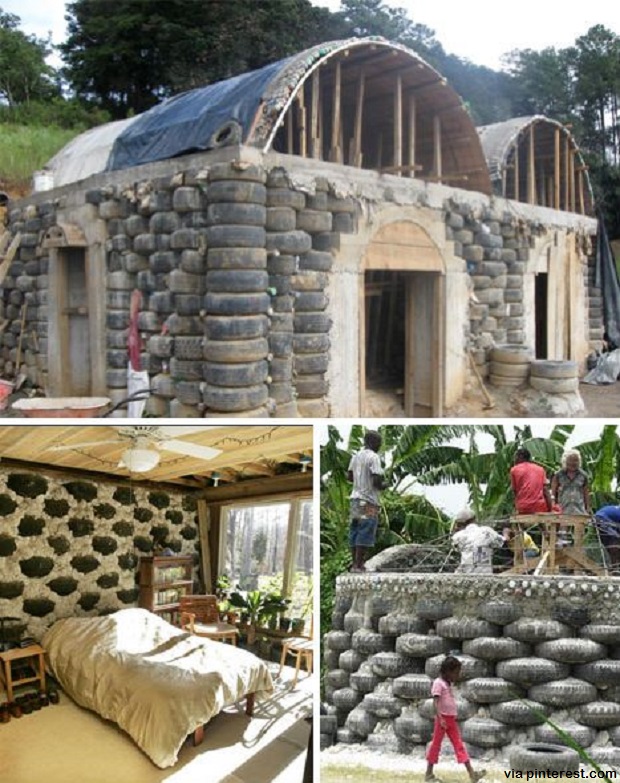
However, valuing such a property is inherently complex. Standard appraisal models used by banks often struggle to quantify the value of “off-grid” systems, which can complicate financing for potential buyers. As noted by the Appraisal Institute, the professional organization for real estate appraisers, there is an ongoing effort to better integrate energy-efficient features into standardized valuation reports, though the process remains gradual in the luxury sector.
Key Takeaways: Understanding Sustainable Luxury
- Thermal Mass Construction: Using earth-filled tires provides natural temperature regulation, significantly reducing the energy footprint of the home.
- Utility Independence: Earthship-style homes are typically engineered to harvest rainwater and treat wastewater on-site, a feature that appeals to a specific segment of the luxury market.
- Material Repurposing: The use of glass bottles and aluminum cans in non-structural walls reduces waste sent to landfills and provides unique aesthetic qualities.
- Valuation Challenges: Prospective buyers should be aware that financing non-traditional homes often requires specialized lenders who understand the nuances of sustainable construction.
The Future of Eco-Conscious Development
The presence of this home on the market is not an isolated incident but rather a reflection of a broader, global shift in how we perceive the “luxury” of a home. In recent years, the demand for sustainable housing has moved from the fringes of the architectural community to the mainstream, driven by both environmental concern and the desire for self-reliance. As international building codes begin to evolve to accommodate more sustainable practices, we may see an increase in the number of high-end homes incorporating these circular design principles.

For the buyer, the appeal lies in a lifestyle that aligns personal values with asset ownership. The ability to live in a home that produces more energy than it consumes is becoming a new status symbol among a generation of buyers who prioritize environmental stewardship alongside comfort. As this sector continues to grow, it will be essential for regulators and developers to establish clearer standards for what constitutes “sustainable luxury” to protect consumers and ensure the longevity of these structures.
The sale of this property remains an ongoing development in the regional real estate market. Potential investors and homeowners interested in the long-term performance of these structures should look for future disclosures regarding the home’s energy performance certificates and water harvesting efficiency ratings, which are often required for high-value real estate transactions in the United States. We will continue to monitor the market for updates on this listing and the broader implications for the sustainable housing sector. If you have questions about the intersection of architecture and sustainability, please share your thoughts in the comments section below.