Researchers at the French National Institute of Health and Medical Research (Inserm) have uncovered specific biological mechanisms that explain how precancerous lesions transform into colorectal cancer. This research identifies the cellular drivers that trigger the transition from benign polyps to malignant tumors, offering new potential targets for early detection and preventative medicine.
The discovery focuses on the transition phase where a stable, precancerous lesion—often a polyp—undergoes rapid biological changes to become invasive cancer. By identifying these “unexpected” mechanisms, scientists aim to intervene before the malignancy becomes life-threatening. This development arrives as colorectal cancer remains one of the most prevalent and lethal forms of cancer globally.
According to reports from Inserm, the research highlights that the progression from an adenoma to a carcinoma is not merely a result of accumulating genetic mutations, but also involves complex interactions within the tumor microenvironment and the gut microbiome. These biological shifts can often be detected before the physical structure of the lesion changes significantly.
How do precancerous lesions become colorectal cancer?
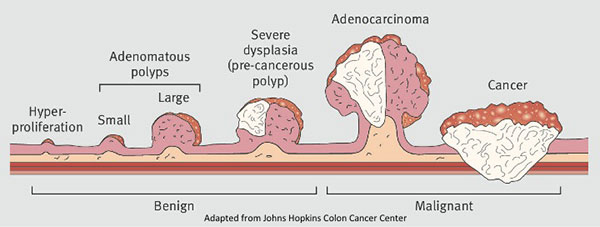
The traditional understanding of colorectal cancer development is centered on the adenoma-carcinoma sequence. In this model, normal intestinal cells undergo a series of genetic mutations that cause them to grow into adenomas, or polyps. If left unchecked, these adenomas can eventually transform into cancerous tumors through the loss of tumor-suppressor genes, such as the APC gene.
However, the recent Inserm findings suggest the process is more nuanced. Researchers have identified that certain biological “switches” are flipped during the transition. These switches involve epigenetic changes—modifications to how genes are expressed without changing the DNA sequence itself—and metabolic shifts within the intestinal lining. These changes can essentially “prime” a benign polyp for malignant growth.
There are two primary pathways through which this progression typically occurs:
- Chromosomal Instability (CIN): This is the most common pathway, characterized by large-scale changes in the number or structure of chromosomes. It often involves mutations in the APC, KRAS, and TP53 genes.
- Microsatellite Instability (MSI): This pathway results from a failure in the DNA mismatch repair system. When the body cannot correctly repair errors during DNA replication, mutations accumulate rapidly, often leading to a different type of tumor profile.
The Inserm research indicates that the transition between these states may be influenced by external biological factors that were previously considered secondary to genetic mutation. By understanding these secondary drivers, clinicians may be able to identify which specific polyps are most likely to turn cancerous.
What biological mechanisms drive the transition?
One of the most significant “unexpected” mechanisms identified involves the role of the gut microbiome. While it has long been known that certain bacteria reside in the colon, the specific way these microbes influence the transition from lesion to cancer is now being clarified. Certain bacterial species can create a pro-inflammatory environment that encourages cellular mutation and rapid division.
Researchers have observed that specific microbes can alter the metabolic byproducts in the gut. These byproducts, such as certain short-chain fatty acids or secondary bile acids, can act as signaling molecules that influence the behavior of the intestinal epithelium. When the balance of these molecules shifts, it can trigger the inflammatory pathways that drive cancer progression.
Furthermore, the tumor microenvironment—the surrounding tissue, blood vessels, and immune cells—plays a decisive role. The research suggests that as a lesion moves toward malignancy, it actively recruits immune cells that, instead of attacking the lesion, actually support its growth and help it evade the body’s natural defenses. This “hijacking” of the immune system is a critical step in the development of invasive colorectal cancer.
The interaction between these microbial metabolites and the host’s immune response represents a new frontier in oncology. If scientists can develop ways to stabilize the gut environment or neutralize the specific bacteria driving this inflammation, they may be able to halt the progression of precancerous lesions entirely.
How these findings impact clinical screening and prevention
Current screening methods primarily rely on detecting the presence of physical polyps through colonoscopies or identifying traces of blood in the stool through Fecal Immunochemical Tests (FIT). While effective, these methods are reactive; they detect the lesion once it has already formed.
The identification of these underlying biological mechanisms opens the door to “liquid biopsies” and molecular screening. Instead of looking for physical growths, doctors may eventually be able to look for specific biomarkers in the blood or stool that signal the *transition* is about to happen. Detecting these molecular signals could allow for intervention long before a polyp is large enough to be seen on a standard scan.
This shift from structural detection to biological detection could significantly reduce the mortality rate of colorectal cancer. According to the World Health Organization, early detection is one of the most effective ways to improve survival rates for most cancers. For colorectal cancer, where the progression from polyp to cancer can take years, the window for effective prevention is uniquely wide.
Clinicians are also looking at how these findings might change dietary and probiotic recommendations. If specific microbial profiles are linked to the transition from lesion to cancer, personalized nutrition or targeted microbial therapies could become standard parts of cancer prevention protocols for high-risk individuals.
The global burden of colorectal cancer
Colorectal cancer remains a major global health challenge. It is currently one of the most frequently diagnosed cancers and a leading cause of cancer-related deaths worldwide. The impact is felt across all demographics, though incidence rates vary significantly by region and lifestyle factors.
The complexity of the disease is compounded by the fact that many patients are asymptomatic in the early stages. By the time symptoms such as changes in bowel habits, rectal bleeding, or abdominal pain appear, the cancer may have already progressed to a more advanced stage. This underscores the necessity of the research being conducted by institutions like Inserm to move towards more proactive, mechanism-based prevention.
A comparison of current cancer trends shows a growing incidence of colorectal cancer in younger populations, a phenomenon that researchers are still working to fully understand. This trend has heightened the urgency for biological research that can identify risk factors earlier in life, potentially before the traditional age for screening begins.
Quick Summary of Research Findings
| Feature | Traditional View | New Inserm Insight |
|---|---|---|
| Primary Driver | Direct genetic mutations (APC, KRAS) | Genetic mutations + Epigenetic/Metabolic shifts |
| Role of Microbiome | Passive inhabitants of the gut | Active drivers of inflammation and mutation |
| Detection Focus | Physical presence of polyps/blood | Molecular and metabolic biomarkers |
| Immune Response | Body’s defense against abnormal cells | Tumor “hijacks” immune cells to aid growth |
Frequently Asked Questions
What is a precancerous lesion in the colon?
A precancerous lesion, usually an adenoma or polyp, is a growth on the inner lining of the colon. While most polyps are benign and do not cause cancer, certain types have the potential to undergo genetic and biological changes that turn them into malignant tumors.
How can I reduce my risk of colorectal cancer?
While biological mechanisms are complex, lifestyle factors play a significant role. Maintaining a high-fiber diet, limiting processed meats, exercising regularly, and participating in recommended screening programs (such as colonoscopies or FIT tests) are the most effective ways to manage risk.
Does knowing about these mechanisms mean a cure is close?
While it does not mean an immediate cure, understanding the “why” and “how” of cancer progression is the essential first step in developing targeted therapies and more effective prevention tools. It moves medicine from a reactive stance to a proactive one.
The next major step for this research involves large-scale clinical validation of these biological markers to determine their accuracy in predicting cancer onset in human subjects. Researchers are expected to present updated findings on biomarker sensitivity at upcoming international oncology conferences.
Have thoughts on how these biological breakthroughs might change your approach to health screening? Share your comments below and share this article to keep your community informed.