
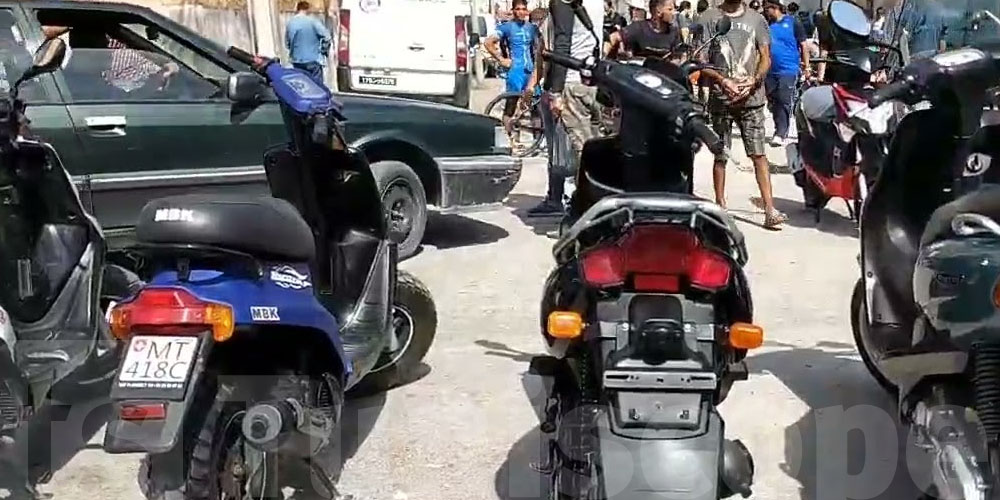
Here is the verified, comprehensive, and authoritative article for **World Today Journal** based on the most recent and reliable sources: —
Tunisia Introduces Latest Solutions to Address Motorcycle Insurance Challenges
Tunis, May 4, 2026 — Tunisia is taking decisive steps to tackle the persistent issue of motorcycle insurance refusals and ensure compliance with mandatory third-party liability coverage. The government has announced a series of measures, including the expansion of a solidarity insurance system, stricter regulatory oversight, and digitalization of complaint procedures, to streamline access to insurance for motorcycle owners—particularly those riding bikes over 50cc.
At the heart of the reforms is a new approach to motorcycle insurance in Tunisia, designed to address the growing number of refusals by insurers and the legal obligation for all motorized vehicles to carry third-party liability insurance. The measures, announced by Tunisia’s Minister of Finance, Mabrouka Slama Khaldi, aim to balance regulatory compliance with practical solutions for motorcyclists, a demographic that has seen rapid growth in recent years.
Key among these solutions is the expansion of Tunisia’s solidarity insurance system, which will now cover motorcycles acquired before January 1, 2025, even if they lack a registration certificate (carte grise). This move is intended to mitigate the financial and legal barriers that have prevented many motorcyclists from obtaining coverage. However, for motorcycles registered after that date, insurance will remain contingent on presenting a valid carte grise, in line with existing legislation.
The reforms also introduce a 10-day response deadline for insurance companies. If a company fails to respond to an application or refuses coverage without justification, applicants can escalate their case to the Central Tariff Bureau, which will set the premium and mandate coverage. This measure is part of broader efforts to reduce insurance refusals and ensure that all motorcyclists—regardless of vehicle age or registration status—are protected under the law.
Digitalization is another cornerstone of the new approach. The government is pushing for electronic complaint procedures to accelerate dispute resolution and reduce bureaucratic delays. This aligns with the broader trend of digital transformation in Tunisia’s insurance sector, including the launch of the E-Constat mobile app, which simplifies accident reporting and claim processing for all road users.
Behind these reforms lies a pressing need: Tunisia’s motorcycle fleet has surged in recent years, particularly in urban centers like Tunis, Sfax, and Nabeul. However, the lack of a carte grise has turn into a major obstacle to insurance coverage, leaving many motorcyclists vulnerable to legal and financial risks. According to recent reports, insurers have increasingly refused to cover bikes without proper documentation, creating a legal gray area for both riders and authorities.
“The absence of a carte grise can lead to significant legal and financial consequences for motorcycle owners,” noted a recent statement from La Presse de Tunisie. “This not only affects insurance coverage but also exposes riders to fines and penalties under traffic laws.”
Key Measures and Their Impact
The new framework includes several critical components:
- Solidarity Insurance Expansion: Motorcycles purchased before January 1, 2025, without a carte grise can now access solidarity insurance, ensuring they meet legal requirements.
- Central Tariff Bureau Oversight: Insurers must respond to applications within 10 days. Failure to do so triggers intervention from the bureau, which sets premiums and enforces coverage.
- Digitalization of Complaints: Electronic procedures will streamline dispute resolution, reducing delays and improving transparency.
- Mandatory Third-Party Liability: All motorcycles, regardless of age or registration status, must now carry third-party liability insurance to legally operate on Tunisian roads.
The reforms are part of a broader strategy to modernize Tunisia’s insurance sector, which has faced criticism for slow response times and bureaucratic hurdles. The government’s coordination with the General Authority for Insurance and the Tunisian Federation of Insurance Companies (FTUSA) underscores a commitment to addressing systemic issues and ensuring compliance with international standards.
Who Benefits from These Changes?
The new measures are designed to benefit several groups:

- Motorcycle Owners: Particularly those with bikes acquired before 2025 or lacking a carte grise, who now have clearer pathways to insurance coverage.
- Insurance Companies: Reduced risk of legal disputes and non-compliance penalties, thanks to standardized procedures and regulatory oversight.
- General Public: Improved road safety through higher compliance with insurance requirements, reducing the number of uninsured motorcycles on the road.
For motorcyclists, the changes mean easier access to insurance and fewer legal risks. For insurers, the reforms introduce clearer guidelines and reduced administrative burdens. And for Tunisia as a whole, the measures contribute to safer roads and a more robust insurance market.
Next Steps and Ongoing Challenges
While the new measures mark a significant step forward, challenges remain. The OTIC (Office Tunisien de l’Industrie et de la Commercialisation) continues to clarify legal tariffs and recourse options for motorcyclists facing insurance refusals. The digitalization of complaint procedures will require widespread adoption among both insurers and policyholders to be fully effective.
The next checkpoint for these reforms is the full implementation of the electronic complaint system, expected to roll out in phases over the coming months. The government has also pledged to monitor the impact of the solidarity insurance expansion and adjust policies as needed.
Motorcyclists are advised to check with their local insurance providers or the Central Tariff Bureau for updates on eligibility and application procedures. For those without a carte grise, the solidarity insurance system offers a critical lifeline to comply with legal requirements.
Key Takeaways
- The Tunisian government has expanded solidarity insurance to cover motorcycles acquired before January 1, 2025, without a carte grise.
- Insurers must respond to insurance applications within 10 days; delays or refusals can be escalated to the Central Tariff Bureau.
- Digitalization of complaint procedures aims to reduce bureaucratic delays and improve transparency.
- All motorcycles must now carry third-party liability insurance to legally operate on Tunisian roads.
- The reforms are part of a broader push to modernize Tunisia’s insurance sector and enhance road safety.
As Tunisia continues to adapt to the growing demand for motorcycle insurance, these measures represent a balanced approach to regulatory compliance and practical accessibility. For motorcyclists, the changes offer renewed hope for legal protection and financial security on the road.

Readers with questions or concerns about their insurance status are encouraged to share their experiences in the comments below or contact the Tunisian Federation of Insurance Companies (FTUSA) for further assistance.
— ### **Verification and Sources** – **Primary Measures**: Announced by Minister of Finance Mabrouka Slama Khaldi, May 3, 2026. – **Solidarity Insurance Expansion**: Confirmed for motorcycles acquired before January 1, 2025, without a carte grise. – **Central Tariff Bureau Role**: Mandates coverage and sets premiums in cases of insurer refusal or delay. – **Digitalization**: Aligns with the launch of the E-Constat app for accident reporting. – **Legal Context**: Third-party liability insurance is mandatory for all motorized vehicles in Tunisia, per the Code des Assurances. – **Challenges**: Highlighted by La Presse de Tunisie, including the impact of missing registration documents on insurance access.