
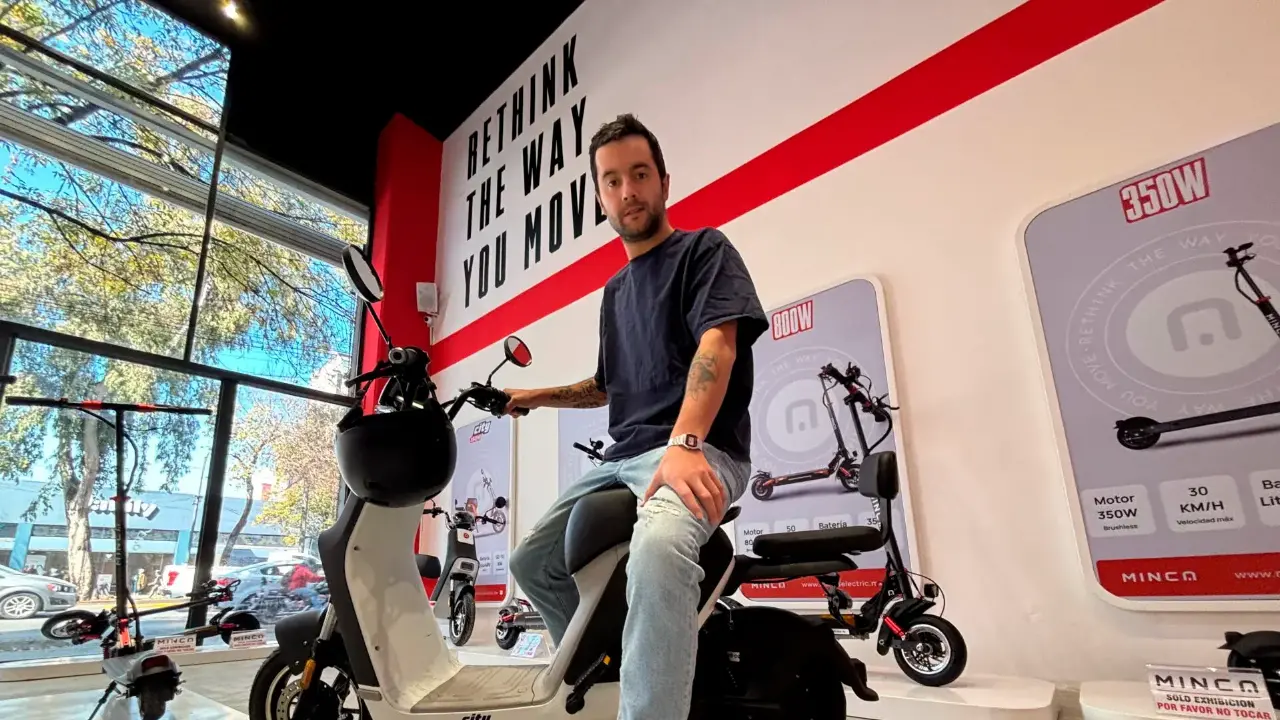
Minca, a Colombian company specializing in electric mobility solutions, is projecting a significant expansion in its annual sales volume, targeting the delivery of 15,000 electric vehicles this year. This growth trajectory marks a substantial increase from the company’s early operations, when it began by selling 70 electric scooters.
Gabriel Gutiérrez, the CEO of Minca, has attributed this growth to the rising demand for sustainable urban transportation alternatives in Colombia. The company’s business model focuses on providing electric mobility options, including electric scooters and bikes, to address the challenges of urban congestion and environmental impact in major cities.
The Evolution of Minca in the Colombian Market
The transition from a small-scale distributor to a significant player in the electric vehicle (EV) sector reflects broader market trends in Latin America. According to data from the Colombian National Association of Sustainable Mobility (ANDEMOS), the adoption of electric and hybrid vehicles has seen consistent growth as consumers seek to reduce fuel costs and carbon emissions. ANDEMOS official market reports track the registration of electrified units across the country, providing a benchmark for companies like Minca as they scale their operations.

Gutiérrez has noted that the company’s initial phase was characterized by a focus on market education and accessibility. By introducing 70 units during its inception, Minca aimed to gauge consumer interest in micromobility, a segment that has since become a cornerstone of urban transportation strategies in cities like Bogotá and Medellín. The firm’s current target of 15,000 units indicates a shift toward mass-market penetration, supported by an expanded portfolio and a more robust supply chain.
Factors Driving Electric Micromobility Adoption
Several economic and policy factors are influencing the growth of the electric mobility market in Colombia. The government has implemented various incentives to encourage the transition to cleaner transportation, including tax benefits and exemptions from certain traffic restrictions, such as the “pico y placa” (peak and plate) driving rotations. The Ministry of Mines and Energy provides regulatory frameworks that support the deployment of charging infrastructure, which is essential for the long-term viability of electric scooters and bicycles.
For consumers, the primary drivers remain the cost of ownership compared to internal combustion engine vehicles and the convenience of navigating dense urban environments. Minca’s strategy involves not only the sale of hardware but also the integration of maintenance services, which addresses a common barrier to entry for new EV owners: the availability of technical support and replacement parts.
Challenges and Future Outlook for Electric Transport
Despite the rapid growth, the sector faces ongoing challenges, including the need for expanded bike lanes and dedicated infrastructure to ensure the safety of riders. Urban planning initiatives led by local municipalities are critical to the continued success of micromobility companies. As the market matures, competition is also intensifying, with both international brands and local startups vying for market share.

Looking ahead, Minca is expected to focus on diversifying its product range to include higher-performance electric vehicles. The company’s ability to meet its 15,000-vehicle target will likely depend on its capacity to manage supply chain logistics and maintain competitive pricing in an increasingly crowded market. Stakeholders and industry analysts continue to monitor the Superintendency of Industry and Commerce for updates on consumer protection standards and market regulations that could affect the sector’s development.
The company has not yet released its official year-end financial statement or finalized audited sales figures for the current period. Updates regarding the company’s performance and future expansion plans are typically announced through their corporate communications channels. Readers interested in the evolution of the Colombian electric mobility market can monitor upcoming industry reports from trade associations for further verified data on adoption rates and market trends.
What are your thoughts on the growth of electric micromobility in your city? Share your perspective in the comments below.