
Unveiling the Secrets of 3I/ATLAS: An Interstellar Visitor
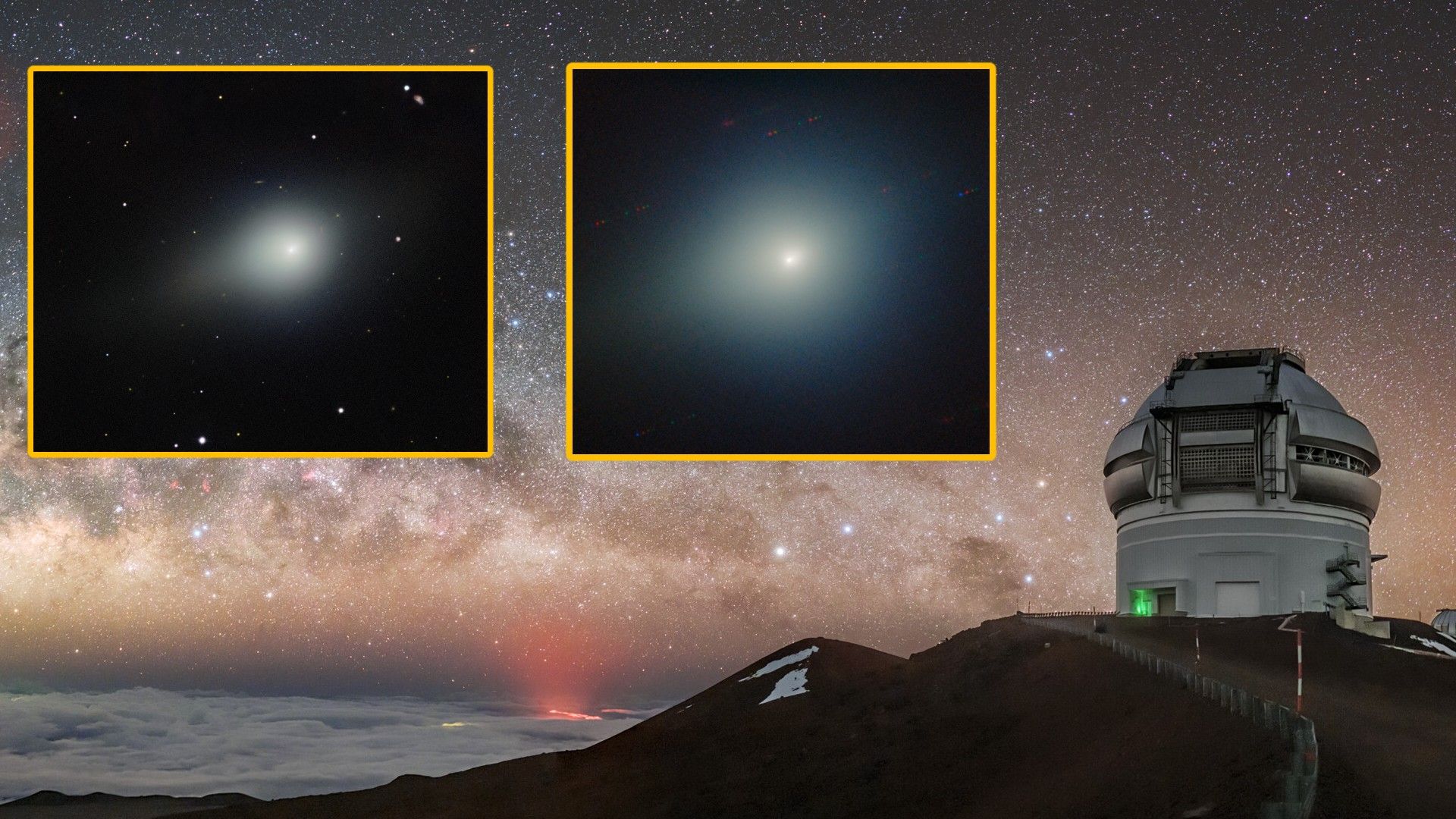
For the first time, scientists are getting an up-close look at an object that originated outside our solar system – comet 3I/ATLAS. This interstellar traveler has captivated researchers,and recently released images are revealing interesting details about its composition and journey. let’s dive into what makes this comet so special and what it can teach us about the universe.
A Comet,Not a Spaceship
Initially,some speculation arose online suggesting 3I/ATLAS might be an alien artifact. Though, extensive observations from dozens of observatories and spacecraft have confirmed it’s a typical comet. It exhibits characteristics we’ve seen in comets from within our solar system,including large,sun-facing jets of gas and dust.
These jets are a key feature, and they’re not unusual for comets as they approach the sun. But what is unusual is the comet’s history.
Billions of Years in the Cosmic Wilderness
Consider this: 3I/ATLAS has spent billions of years traversing interstellar space before entering our solar neighborhood. This prolonged exposure to cosmic radiation has left its mark.Observations reveal signs of significant irradiation, altering its surface composition over eons.
Think of it like a time capsule from the early days of the galaxy. Studying this comet allows us to peek into conditions that existed long before our solar system even formed.
What Makes 3I/ATLAS Unique?
here’s a breakdown of what scientists are learning:
* Interstellar Origin: It’s only the third interstellar object ever detected in our solar system, following ‘Oumuamua and comet 2I/Borisov. This makes it incredibly valuable for comparative studies.
* Jet Activity: The prominent jets are actively shaping the comet’s appearance, offering clues about its internal structure and the release of volatile materials.
* Irradiation Effects: The comet’s surface shows clear evidence of long-term exposure to cosmic radiation, providing insights into the harsh conditions of interstellar space.
* Trajectory and Composition: Detailed analysis of its path and the materials it’s made of are helping pinpoint its origin.
Unlocking Galactic Mysteries
Why are scientists so excited about 3I/ATLAS? Because it could hold clues to the formation of the Milky Way itself.
Current research suggests this comet may have originated from the Oort cloud of another star system, located near the galactic frontier. This region represents the outer edges of early star systems, and studying 3I/ATLAS could reveal details about:
* Early Star System Formation: How did the first star systems in the Milky Way come to be?
* Galactic Chemical Evolution: What were the conditions like in the early galaxy, and how did they influence the composition of stars and planets?
* Interstellar medium: What is the nature of the material that exists between stars, and how dose it affect the evolution of galaxies?
You can rest assured that researchers are diligently gathering data to answer these questions. The data gleaned from 3I/ATLAS will undoubtedly reshape our understanding of the cosmos and our place within it.
As 3I/ATLAS continues its journey, expect more exciting discoveries. It’s a rare opportunity to study a piece of another star system, and the insights it provides will be invaluable for years to come.





