
Former FBI Director James Comey Faces Court Over Alleged Threats Against Donald Trump
Alexandria, Virginia – Former FBI Director James Comey made a court appearance Wednesday, April 29, 2026, in Alexandria, Virginia, to face charges related to a social media post prosecutors allege constituted a threat against former President Donald Trump. The case, stemming from an Instagram post featuring an arrangement of seashells, presents significant legal challenges for the Justice Department, according to legal experts. This marks the second indictment against Comey in the past year, highlighting the ongoing legal scrutiny surrounding the former law enforcement official and his relationship with the former president. The indictment accuses Comey of knowingly and willfully making a threat, though the government has yet to detail the specific evidence supporting that assertion.

The charges stem from a photograph Comey posted on social media in 2025 depicting seashells arranged to display the numbers “86 47.” Prosecutors contend these numbers represent a coded threat against Trump, referencing his status as the 47th president and employing a slang term for eliminating someone. Comey, however, has maintained that he initially understood the numbers as a political message and removed the post after realizing some individuals interpreted it as a call for violence. The case is unfolding against a backdrop of heightened political tensions and accusations of politically motivated prosecutions, raising questions about the impartiality of the Justice Department.
The Indictment and Legal Hurdles
Comey was initially indicted in September 2025 on charges of making false statements and obstructing a congressional proceeding, but those charges were dismissed by a judge last November. The current case, however, centers on the interpretation of the social media post and whether it constitutes a “true threat” under the law. To secure a conviction, prosecutors must demonstrate that Comey either intended to communicate a genuine threat or recklessly disregarded the possibility that his statement could be understood as such. This presents a significant challenge, as the indictment itself offers limited insight into the government’s assessment of Comey’s intent.
Acting Attorney General Todd Blanche has declined to elaborate on the evidence supporting the claim of intent, stating only that the Justice Department believes it has a viable case. Legal analysts suggest that proving intent in this scenario will be tricky, particularly given Comey’s explanation that he removed the post after becoming aware of the potential for misinterpretation. The standard for establishing a “true threat” is high, requiring a showing that the statement conveyed a serious expression of intent to commit an unlawful act of violence.
Political Context and Previous Scrutiny
The prosecution of James Comey has been steeped in political controversy since his firing by President Trump in 2017. Comey was a frequent target of Trump’s criticism, particularly for his handling of the investigation into Russian interference in the 2016 presidential election. The former president repeatedly accused Comey of bias and obstruction of justice, allegations that were ultimately not substantiated by Special Counsel Robert Mueller’s investigation. The current indictment is seen by some as a continuation of Trump’s efforts to discredit Comey and retaliate against him for his role in the Russia investigation.
The timing of the indictment, coming during a period of intense political polarization, has too raised concerns about the potential for political motivations. Critics argue that the Justice Department is being used as a tool to target political opponents, while supporters maintain that the prosecution is based solely on the facts and the law. The case is likely to further fuel the debate over the politicization of the Justice Department and the role of law enforcement in a deeply divided nation.
Comey’s Initial Court Appearance and Next Steps
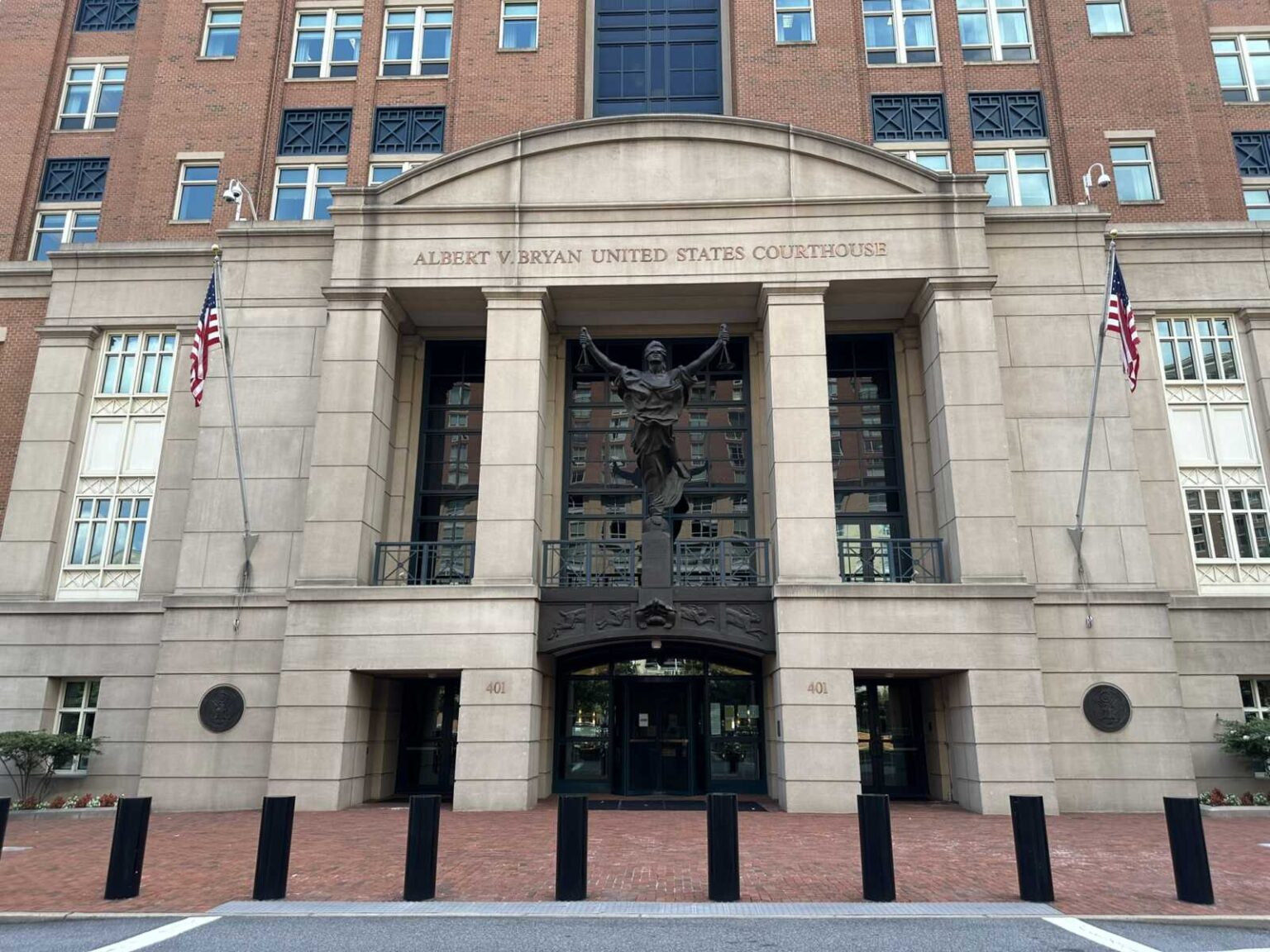
During his brief appearance in federal court in Alexandria on Wednesday, April 29, 2026, Comey was formally notified of the charges against him. He was accompanied by his wife, Patrice Failor, and other family members. The hearing was largely procedural, with the judge setting a date for a preliminary hearing where the prosecution will present evidence to establish probable cause. Comey did not enter a plea during the hearing.
)
The next scheduled court date is May 20, 2026, where a preliminary hearing will be held. At that hearing, prosecutors will be required to present evidence demonstrating probable cause to believe that Comey committed the alleged offense. The defense is expected to challenge the government’s interpretation of the social media post and argue that it does not constitute a true threat. The case is expected to be lengthy and complex, potentially involving extensive legal arguments over the meaning of the First Amendment and the definition of a “true threat.” The outcome of the case could have significant implications for the future of political speech and the boundaries of free expression in the digital age.
The legal battle unfolding in Alexandria is not only a personal challenge for James Comey but also a test of the Justice Department’s independence and its ability to navigate the increasingly fraught intersection of politics and law enforcement. The case will undoubtedly be closely watched by legal scholars, political observers, and the public alike, as it raises fundamental questions about the limits of free speech and the potential for abuse of power.
Keep reading