
The vibrant world of cosplay often blends creativity with unpredictability, but a recent incident at a popular South Korean fan convention has sparked a wider conversation about community standards and public accountability. A Pikachu cosplayer, whose presence at Comic World became a viral talking point on online forums, has issued a formal apology following a series of controversial interactions and photographs that circulated widely across the web.
The situation gained significant traction on FM Korea, a prominent South Korean online community, where a post detailing the cosplayer’s actions quickly climbed the “popular” charts. While Comic World is celebrated as a sanctuary for subculture and artistic expression, the incident underscores the delicate balance between a performer’s persona and the behavioral expectations of a public event.
At the heart of the controversy is a public apology letter shared by the individual in question. The document addresses the discomfort caused to other attendees and the breach of etiquette that led to the backlash. In the digital age, where a single photograph can reach millions in minutes, the speed of the community’s reaction highlights the rigorous social scrutiny often applied to public figures within the cosplay scene.
The Viral Catalyst: From Convention Floor to Online Forum
The controversy began when images of the Pikachu cosplayer were uploaded to social media and subsequently aggregated on FM Korea. These images, accompanied by accounts of the cosplayer’s behavior, suggested a departure from the respectful atmosphere typically maintained at Comic World. The “poten” (a term used on FM Korea to describe posts that “explode” in popularity) nature of the thread indicated a high level of public interest and collective disapproval.
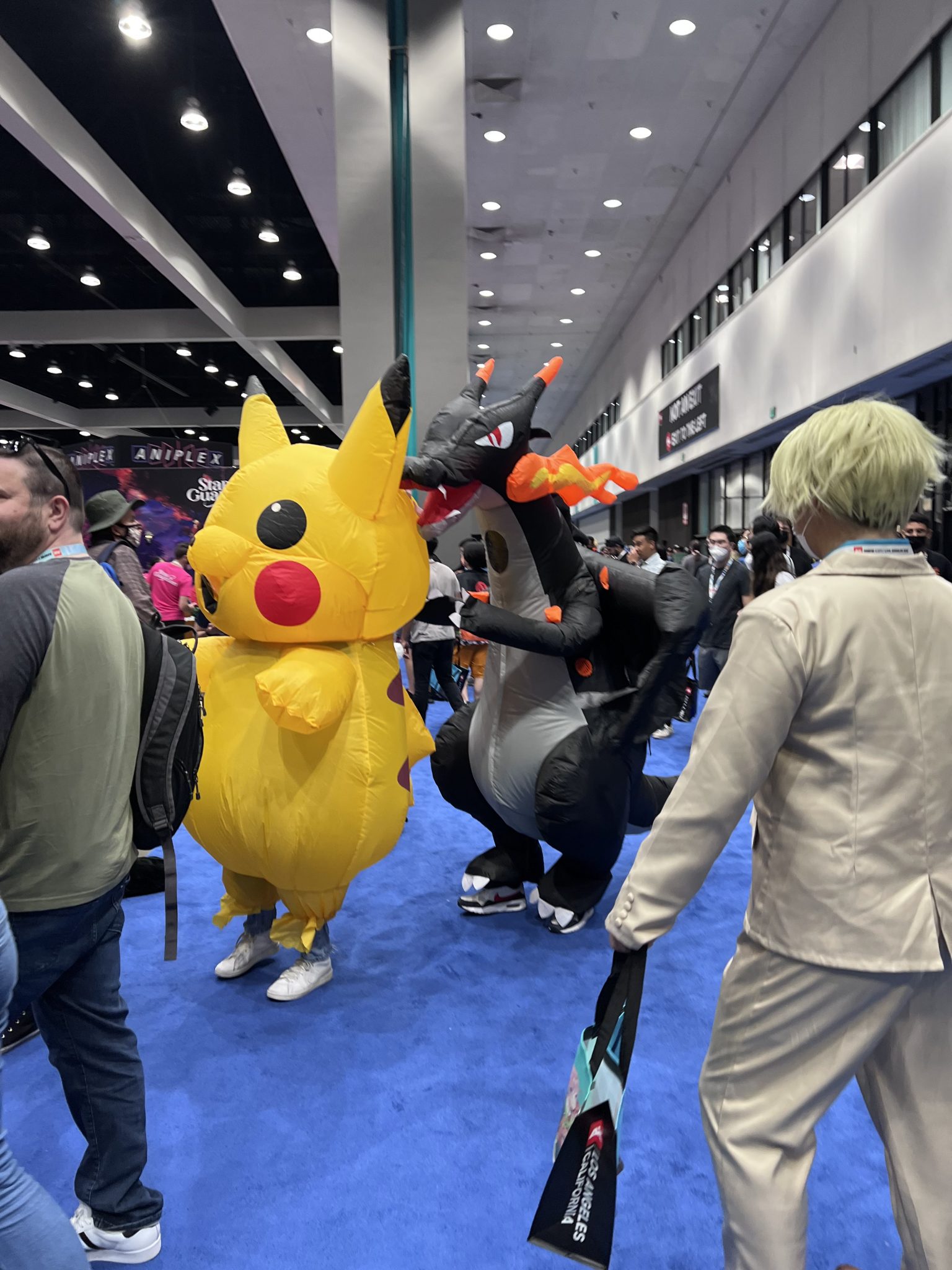
Cosplay, by its nature, involves a level of performance. However, the community’s reaction suggests that the line was crossed when the performance allegedly shifted from character portrayal to disruptive behavior. The resulting discourse on FM Korea served as a catalyst, transforming a localized convention incident into a national online debate regarding the responsibilities of those who choose to represent beloved global icons like Pikachu in public spaces.
Understanding the “Comic World” Environment
To understand why this incident resonated so strongly, one must look at the nature of Comic World. As one of South Korea’s longest-running amateur comic and anime events, it operates on a foundation of mutual respect and strict adherence to community guidelines. The organizers have historically implemented clear rules regarding attire and conduct to ensure the safety and comfort of all participants.
The event’s guidelines explicitly discourage behavior that could be perceived as socially controversial or misleading. When a cosplayer attracts negative attention for their conduct, it is often viewed not just as a personal failing, but as a reflection on the entire cosplay community. This explains the intensity of the backlash and the perceived necessity for a formal apology to restore the community’s image.
The Anatomy of the Apology
The apology letter issued by the Pikachu cosplayer follows a traditional format of public contrition common in South Korean digital culture. In the statement, the individual acknowledges the specific actions that led to the controversy and expresses regret for any distress caused to fellow attendees and the event organizers.
Key elements of the apology include:
- Acknowledgement of Fault: An admission that their behavior did not align with the spirit of the event.
- Expression of Remorse: A direct apology to those who felt uncomfortable or offended.
- Commitment to Change: A promise to be more mindful of public etiquette and the boundaries of performance in future events.
While some users on FM Korea accepted the apology as a necessary step toward resolution, others remained skeptical, arguing that the viral nature of the images had already caused lasting damage to the event’s reputation. This divide reflects a broader trend in online community policing, where the “court of public opinion” often demands a higher standard of accountability than formal event rules require.
The Impact of “Viral Accountability” in Cosplay Culture
This incident is a case study in the power of modern fan communities to enforce social norms. The transition of the story from a convention floor to a high-traffic forum like FM Korea illustrates how “viral accountability” works. When a behavior is deemed unacceptable by a critical mass of users, the pressure for a public apology becomes almost inevitable.
For the global cosplay community, this serves as a reminder that the costume does not grant immunity from social expectations. Whether at a major event in Los Angeles or a fan gathering in Seoul, the expectation remains that the individual behind the mask adheres to the basic tenets of public decency, and respect.
The Role of Online Communities in Event Moderation
While official organizers provide the rules, online communities often act as an unofficial layer of moderation. By highlighting “problematic” behavior, forums like FM Korea can alert other attendees and organizers to issues that might have otherwise gone unnoticed. However, this can also lead to “witch-hunting” or disproportionate harassment, creating a volatile environment for the individuals involved.
In this specific case, the focus remained largely on the behavior and the subsequent apology, rather than descending into deeper personal attacks. This suggests a community that is interested in the preservation of event standards rather than purely malicious targeting.
What So for Future Conventions
As events like Comic World continue to grow and attract larger, more diverse crowds, the potential for friction increases. Organizers are likely to place an even greater emphasis on “cosplay etiquette” and the psychological impact of performance on bystanders. The incident with the Pikachu cosplayer highlights the need for clear communication between performers and the public regarding boundaries.
the speed with which this story broke suggests that event organizers must be prepared for “real-time” crisis management. An incident that happens at 10:00 AM can be a national trending topic by 2:00 PM, requiring a swift and coordinated response from both the individual and the event staff to prevent a narrative from spiraling out of control.
For attendees and cosplayers, the takeaway is clear: the costume is a tool for art and expression, but the person wearing it remains responsible for their actions. Respect for the space and the people within it is the only way to ensure that these celebrations of pop culture remain inclusive and welcoming.
The current status of the situation remains in the aftermath of the apology. There have been no official reports of legal action or formal bans from the organizers, but the social repercussions continue to be discussed within the community. Further updates regarding any changes to Comic World’s conduct policies would be the next significant checkpoint for those following the story.
Do you think online communities are too harsh on cosplayers, or is this level of accountability necessary to keep events safe? Share your thoughts in the comments below and share this article with your fellow fans.
Related reading