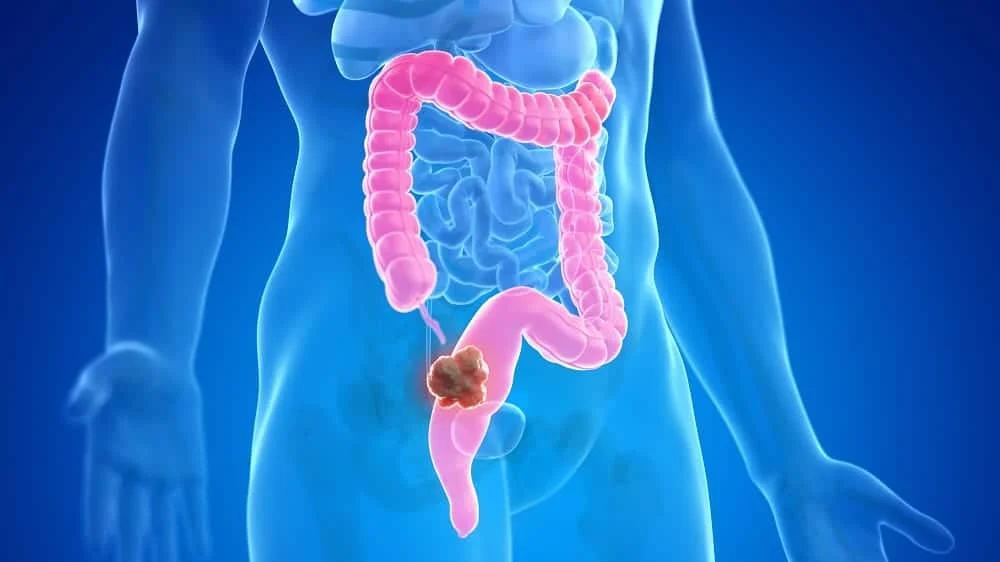
Eating certain common foods regularly can reduce the risk of developing bowel cancer by up to 20%, according to nutritional science research highlighted by public health organizations. Colorectal cancer remains one of the most frequently diagnosed malignancies globally, yet clinical studies consistently show that dietary modifications play a profound role in long-term prevention. Medical professionals emphasize that incorporating specific nutrient-dense items into daily meals alters gut microbiota and promotes healthier digestive function, directly influencing cellular health in the colon.
Dietary fiber, particularly from whole grains, legumes, and fresh produce, stands out as a primary protective factor against intestinal malignancies. According to data compiled by organizations such as the World Health Organization and the World Cancer Research Fund, individuals who consume high amounts of dietary fiber significantly lower their incidence rates compared to those with low-fiber diets. As Dr. Helena Fischer, Editor of Health at World Today Journal, notes, understanding the biological mechanisms behind these dietary impacts helps patients make informed, sustainable choices for their long-term gastrointestinal health.
The Protective Role of Dietary Fiber and Whole Grains
Whole grains and high-fiber foods serve as a cornerstone in preventing colorectal cancer. When dietary fiber reaches the large intestine, gut bacteria ferment these complex carbohydrates into short-chain fatty acids, notably butyrate. Butyrate acts as a primary energy source for colonocytes—the cells lining the colon—and exhibits anti-inflammatory and anti-neoplastic properties that help suppress the formation of cancerous lesions.
Clinical studies reviewed by oncology researchers indicate that for every daily 10-gram increase in total dietary fiber intake, the relative risk of colorectal cancer decreases significantly. Common dietary staples rich in these protective compounds include oats, brown rice, barley, lentils, beans, and various root vegetables. Incorporating these foods into everyday nutrition provides a practical, evidence-based strategy for lowering lifetime cancer risk without relying on pharmacological interventions.
How Processed Foods and Red Meat Elevate Risk
Conversely, dietary patterns heavy in ultra-processed items and red or processed meats counteract the protective benefits of fiber-rich foods. Epidemiological data analyzed by public health agencies link the frequent consumption of cured meats, sausages, and industrially processed foods to a higher incidence of intestinal tumors. Chemical compounds formed during high-temperature cooking or preservation processes can damage the mucosal lining of the bowel over time.
Medical guidelines from gastroenterology associations consistently recommend limiting red meat consumption and avoiding processed alternatives to protect intestinal tissue. Balancing the diet by swapping refined carbohydrates for whole grains and substituting processed snacks with fresh fruits and vegetables creates an internal biochemical environment that actively discourages malignant cell proliferation.
Next Steps for Public Health and Nutritional Guidance
Public health authorities continue to update dietary guidelines as new longitudinal studies refine our understanding of cancer prevention. Individuals seeking personalized dietary advice or comprehensive risk assessments should consult qualified healthcare providers or registered dietitians for evidence-based nutritional planning. Official updates and prevention campaigns remain accessible through major public health portals, including the World Health Organization and national health ministry websites.
What steps are you taking to adjust your daily diet for better long-term health? Share your thoughts and join the conversation in the comments below.
Related reading