
Integrated soybean nutritional planning relies on systematic crop sequencing and precise soil analysis to optimize fertilization and reduce environmental impact. By shifting toward site-specific management, agricultural producers can improve nutrient use efficiency (NUE) while addressing the physiological demands of legumes in high-yield rotation cycles. According to the Food and Agriculture Organization of the United Nations (FAO), sustainable soil fertility management is essential for maintaining global food security and mitigating the degradation of arable land.
Soybean cultivation, which is central to global protein production, requires a nuanced understanding of soil chemistry. Soil testing serves as the foundation for modern agronomy, allowing farmers to replace the exact nutrients removed during harvest. When fertilization is not calibrated to the specific needs of the soil profile, producers often face unnecessary input costs and risks of nutrient leaching, which can contaminate local water systems. The USDA Natural Resources Conservation Service emphasizes that soil health is the primary determinant of long-term agricultural productivity.
The Role of Soil Analysis in Nutrient Management
Effective nutritional planning begins with systematic soil sampling. By analyzing the concentration of nitrogen, phosphorus, potassium, and micronutrients, producers can create a variable-rate application strategy. This approach moves away from blanket fertilization, which often leads to over-application in zones where soil reserves are already sufficient. The American Society of Agronomy notes that balancing these inputs not only reduces operational overhead but also minimizes the greenhouse gas emissions associated with synthetic fertilizer production.

In soybean systems, the primary focus is often on the symbiotic relationship between the plant and Bradyrhizobium japonicum bacteria, which fix atmospheric nitrogen. However, relying solely on biological fixation can be insufficient for high-yield environments. Integrated planning requires evaluating the residual nutrient levels left by preceding crops—such as corn or wheat—to determine the specific supplemental needs of the soybean phase. This methodology, supported by the International Plant Nutrition Institute, ensures that the crop receives essential minerals at the most critical growth stages.
Integrating Crop Sequencing for System Stability
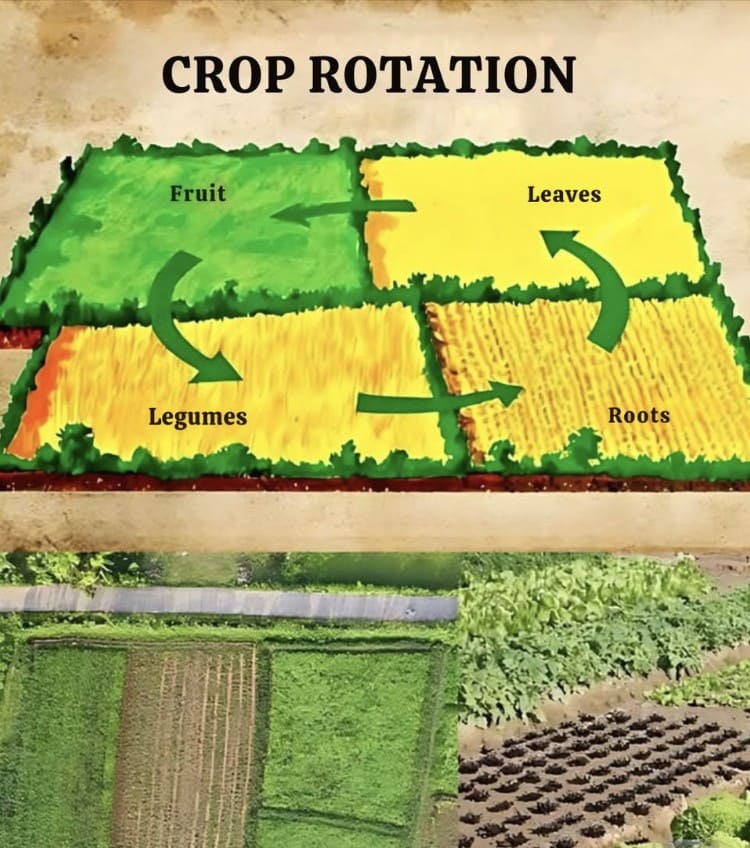
Crop rotation is more than a strategy for pest management; it is a vital component of nutritional homeostasis. Sequencing crops with different root architectures and nutrient requirements allows for the better utilization of deep-soil minerals. For example, alternating deep-rooted cereals with soybeans can help move nutrients from the subsoil to the topsoil, effectively recycling resources that would otherwise be lost to leaching. According to research published by the Scientific Reports journal, diverse crop sequences improve soil microbial diversity, which in turn enhances the availability of phosphorus to the soybean crop.

Producers are increasingly adopting “nutritional accounting,” where the nutrient balance of the entire rotation is monitored over several years rather than a single season. This allows for the correction of deficiencies in the soil profile over time. By maintaining a consistent database of soil test results, farmers can predict trends in nutrient depletion and adjust their fertilization programs accordingly, ensuring that the system remains profitable and environmentally sustainable.
Economic and Environmental Implications
The financial viability of modern soybean production is tied to the efficiency of input management. Rising costs for nitrogen and phosphorus fertilizers have made precise application a necessary hedge against market volatility. Data from the USDA Economic Research Service indicates that producers who utilize precision agriculture technology—including grid soil sampling—consistently reduce waste compared to traditional broadcast methods. This reduction in input volume does not necessarily result in lower yields; instead, it optimizes the return on investment by placing nutrients exactly where they are required.
Beyond the farm gate, the environmental benefits of systematic nutritional planning are significant. Reducing the runoff of nitrogen and phosphorus is a critical step in preventing eutrophication in aquatic ecosystems. As regulatory frameworks regarding water quality become more stringent, such as the European Union Nitrates Directive, the adoption of data-driven fertilization plans becomes a compliance necessity as much as an agronomic choice.
Future Directions in Agronomic Research
The next phase of nutritional management involves the integration of real-time sensor data and machine learning to predict nutrient demand. While traditional soil testing remains the gold standard, the ability to monitor moisture and nutrient flux throughout the growing season provides a more dynamic view of plant health. Organizations such as the CGIAR are currently investigating how these digital tools can be scaled for smallholder farmers, potentially transforming subsistence systems into more productive, nutrition-secure operations.
Producers and agronomists seeking to implement these strategies should monitor the latest bulletins from local agricultural extension offices, which provide region-specific guidelines on soil sampling frequency and recommended application rates. Regular updates on soil management practices can also be found through the FAO Global Soil Partnership, which coordinates international efforts to improve soil monitoring and stewardship. Readers are encouraged to share their experiences with precision soil management in the comments section below to foster further discussion on sustainable agricultural practices.
Worth a look