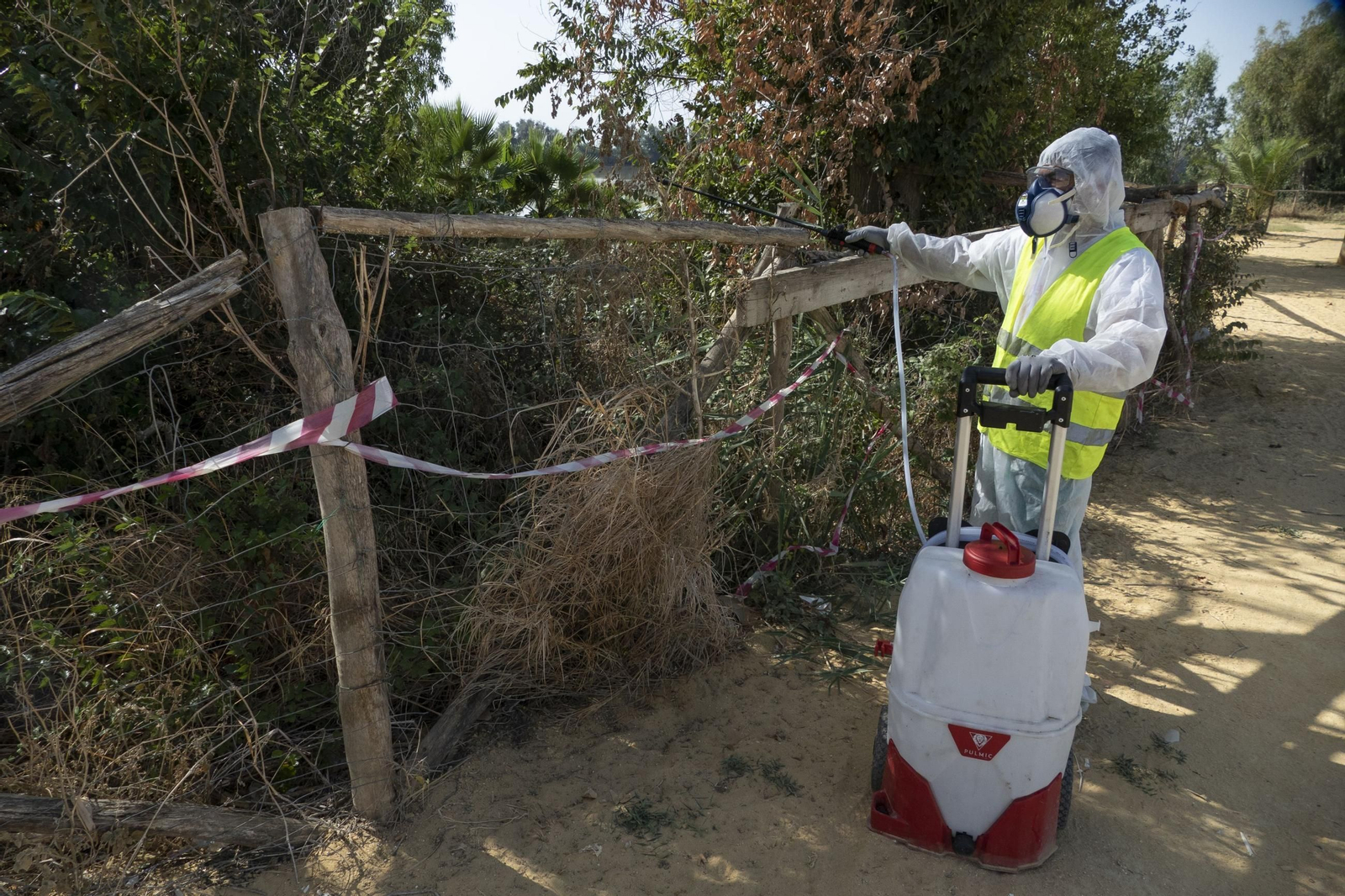
Public health officials in Andalusia have confirmed the first human case of West Nile Virus (WNV) in the municipality of Palomares del Río for the current summer season. This detection marks a critical point in the region’s seasonal surveillance efforts, triggering intensified monitoring protocols across environmental and veterinary sectors to mitigate the spread of the mosquito-borne disease, according to the Andalusian Department of Health and Consumer Affairs.
As a physician monitoring public health trends, I recognize that the identification of the virus in Palomares del Río serves as a sentinel event. The West Nile Virus is primarily transmitted to humans through the bite of infected Culex mosquitoes, which acquire the pathogen by feeding on infected birds. While many human infections remain asymptomatic, the virus can lead to neuroinvasive conditions, including meningitis or encephalitis, in a small percentage of cases. The immediate response from regional health authorities involves a comprehensive, multi-layered strategy known as the “three-fold surveillance” approach.
Intensified Surveillance Protocols in Andalusia
The confirmation of the virus in the province of Seville has necessitated an immediate escalation of the Regional Program for the Surveillance and Control of Vector-Borne Diseases. This program focuses on three distinct pillars: entomological surveillance, ornithological monitoring, and veterinary oversight. Entomological teams are currently deploying traps to sample mosquito populations to identify the presence of the virus in vector species. Simultaneously, veterinary services are monitoring equids—which act as sentinel species—and local bird populations to track the virus’s circulation through the ecosystem.
This integrated approach is essential because the virus’s presence in a specific territory often precedes human transmission. By identifying “hot zones” where the virus is circulating in vectors or animals, local municipalities can implement targeted vector control measures, such as larvicide applications in stagnant water sources and adulticide spraying in areas with high mosquito density. These interventions are mandated under the Public Health Law, which empowers regional authorities to act when environmental risks to human health are identified.
Understanding West Nile Virus Transmission
The West Nile Virus does not spread directly from person to person. Instead, it relies on the cycle between birds and mosquitoes. Humans are considered “dead-end hosts,” meaning that while we can become infected, we do not develop high enough levels of the virus in our blood to pass it back to a biting mosquito. Understanding this cycle is crucial for residents in affected areas. The risk is highest during the summer and early autumn when mosquito activity peaks.
Most individuals infected with WNV will experience no symptoms at all. For those who do, the illness typically manifests as a mild, flu-like condition characterized by fever, headache, body aches, joint pain, vomiting, or a rash. However, in older adults and individuals with compromised immune systems, the virus can cross the blood-brain barrier, leading to severe neurological complications. According to the European Centre for Disease Prevention and Control (ECDC), there is no specific vaccine or antiviral treatment for WNV in humans; clinical management focuses on supportive care to alleviate symptoms.
Preventative Measures for Residents
Public health experts emphasize that the most effective defense against the virus is the prevention of mosquito bites. Residents in Palomares del Río and surrounding areas are advised to adopt the following measures, consistent with guidelines from the Spanish Ministry of Health:
- Use Repellents: Apply insect repellents containing DEET, Picaridin, or IR3535, especially during dusk and dawn when Culex mosquitoes are most active.
- Protective Clothing: Wear long-sleeved shirts and trousers, particularly when outdoors in rural or marshy areas.
- Home Protection: Install screens on windows and doors to prevent mosquitoes from entering living spaces.
- Eliminate Breeding Sites: Empty, cover, or treat any standing water containers (such as flower pots, buckets, or birdbaths) where mosquitoes can lay eggs.
The situation remains fluid as the peak of the summer season approaches. Regional health authorities are expected to release updated surveillance reports on a weekly basis, detailing any new detections in either mosquito pools or sentinel animals. These updates are vital for adjusting local risk assessments and ensuring that public health measures remain proportional to the threat level.
For those living in Andalusia, the best course of action is to monitor official channels for local advisories. If you experience symptoms such as high fever, severe headache, or confusion following a mosquito bite, you should seek medical attention promptly. We will continue to track the developments of the West Nile Virus in the region as official data becomes available. Please share this information with your local community to ensure awareness remains high during this active season.