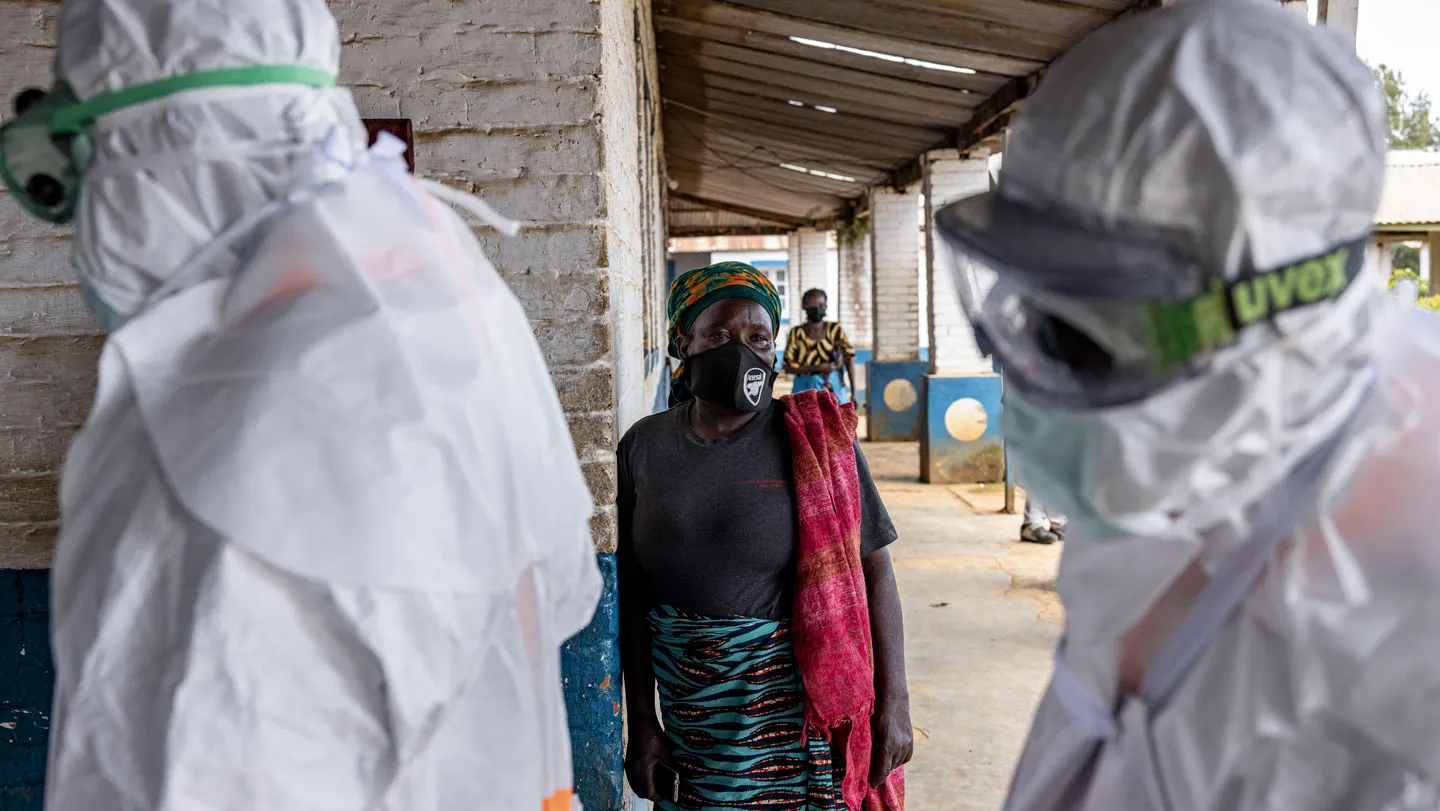
Public health officials in the Republic of the Congo are currently grappling with an outbreak of the Bundibugyo strain of the Ebola virus, a development that has underscored significant vulnerabilities in regional disease surveillance and medical readiness. As case numbers fluctuate, the response has necessitated a pivot toward traditional containment strategies, even as the global scientific community continues to seek more advanced prophylactic and therapeutic tools to address this rare viral variant.
The Republic of the Congo, a nation situated in west-central Africa, faces unique challenges in managing infectious disease outbreaks due to its geographic landscape and the logistical complexities of its healthcare infrastructure. With a population exceeding 6 million, the country’s health sector remains under consistent pressure to maintain readiness for emergencies, a task made increasingly difficult by the nature of the Bundibugyo strain, which is known for its distinct epidemiological profile compared to the more frequently encountered Zaire ebolavirus. According to data from the World Health Organization, Ebola virus disease is a severe, often fatal illness in humans, and the emergence of specific strains requires targeted diagnostic and clinical interventions.
The Challenges of Responding to Rare Ebola Strains
The current situation highlights a critical gap in international aid and local preparedness. While international health organizations often maintain stockpiles and rapid response teams for high-profile outbreaks, the emergence of rarer strains like Bundibugyo can expose gaps in the supply chain, diagnostic capacity, and clinical training. The reliance on “old-school” tactics—such as rigorous contact tracing, community engagement, and the isolation of suspected cases—remains the bedrock of the response. These methods, while effective, are labor-intensive and require sustained cooperation from local populations, many of whom may have varying levels of access to centralized healthcare facilities. For further information on global health security and surveillance, readers may consult the Centers for Disease Control and Prevention (CDC) guidelines on viral hemorrhagic fevers.

The reliance on these traditional methods is not a choice but a necessity when specialized medical countermeasures are in short supply or still being adapted for specific viral variants. In the Republic of the Congo, where the healthcare system navigates both domestic economic constraints and the demands of a growing population, the ability to pivot to these manual, community-based interventions is essential for preventing the wider spread of the virus. This approach requires not only the mobilization of health workers but also the trust and participation of communities, which remains a cornerstone of successful public health initiatives.
Congo prepared for Ebola. Now a rare strain is exposing gaps in readiness.
— Science News (@ScienceNews) May 23, 2026
Strengthening Health Infrastructure and Surveillance
Beyond the immediate response, the outbreak has sparked a broader conversation about the necessity for long-term investment in regional health security. The Republic of the Congo, as noted in recent reports on the nation’s development, faces a complex landscape of public health needs. Strengthening the resilience of the health sector involves improving laboratory diagnostics, ensuring the consistent availability of personal protective equipment (PPE), and enhancing the training of frontline health workers who are often the first to encounter new cases. The World Health Organization Regional Office for Africa continues to provide technical support to member states, emphasizing the importance of integrated disease surveillance and response systems to catch outbreaks before they escalate.

For the international community, the situation serves as a stark reminder that the fight against infectious diseases is far from over. The rapid evolution of pathogens and the potential for rare strains to bypass existing defenses necessitate a shift from reactive to proactive health policies. This includes faster development cycles for vaccines and therapeutics, as well as more robust international cooperation to ensure that resources reach the areas of highest need without delay. As scientists continue to search for new tools, the immediate focus remains on containment, ensuring that the current measures are applied consistently and effectively across all affected regions.
Future Outlook and Community Engagement
Looking ahead, the success of containment efforts will depend on the continued dedication of health responders and the active support of the international community. Transparency in reporting and the sharing of epidemiological data are vital for the global scientific community to understand the behavior of the Bundibugyo strain and to refine future interventions. The government of the Republic of the Congo, working alongside international partners, is expected to provide further updates as the situation evolves. Residents and international observers are encouraged to follow official channels, such as the World Health Organization, for the most current data, safety guidance, and information on the ongoing containment efforts.
As we monitor this developing situation, we invite our readers to share their thoughts and perspectives on the importance of global preparedness in the face of emerging health threats. Your engagement and awareness are crucial components of the global effort to strengthen health systems and protect vulnerable populations. We will continue to track this story as more information becomes available from official health authorities.
Keep reading