
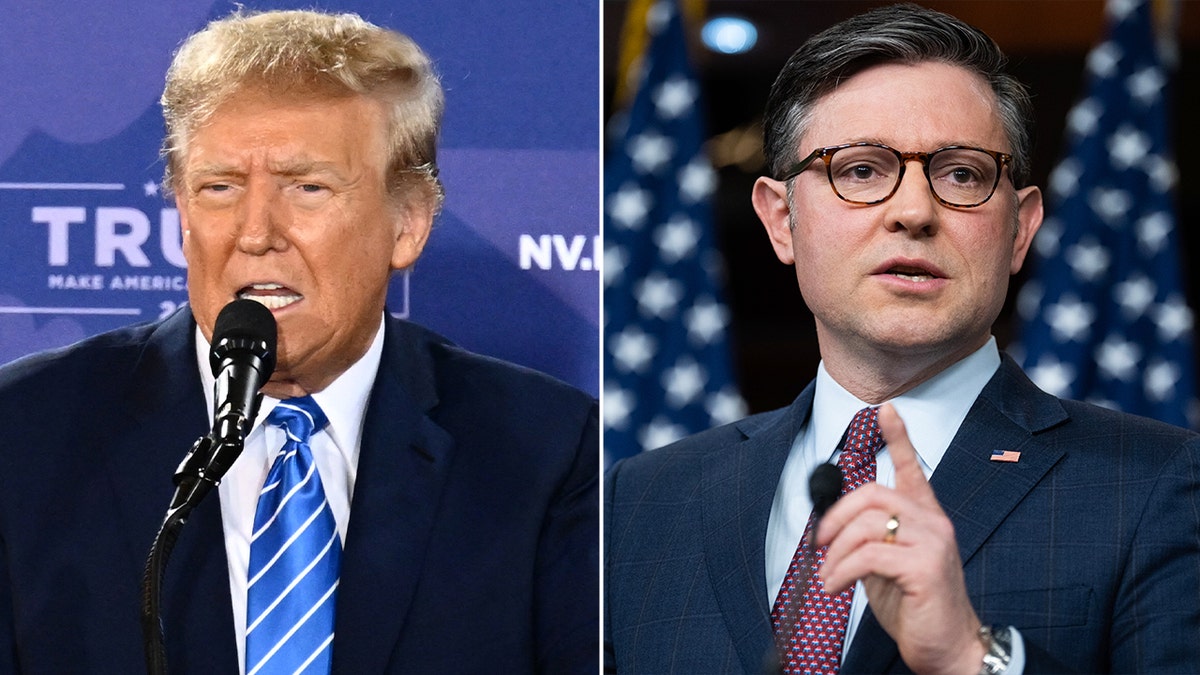
House Speaker Mike Johnson is making another attempt to extend a controversial surveillance authority that has sparked intense debate in Congress, as lawmakers prepare for a critical vote on the reauthorization of key provisions of the Foreign Intelligence Surveillance Act (FISA). The effort comes amid growing divisions within the Republican conference and stark warnings from Democratic leaders that support may hinge on leadership changes at the FBI.
The legislation in question centers on Section 702 of FISA, which allows U.S. Intelligence agencies to collect communications of non-Americans located overseas without a warrant. While designed to target foreign threats, the provision has long been criticized by privacy advocates and some lawmakers for enabling the incidental collection of Americans’ data, raising concerns about Fourth Amendment protections. Current authorization for Section 702 is set to lapse unless Congress acts to renew it.
Johnson, a Republican from Louisiana, has previously pushed for a clean extension of the surveillance powers, but faced resistance from both ends of the political spectrum. In early 2024, a coalition of progressive Democrats and conservative Republicans blocked a similar effort, citing civil liberties concerns and demanding reforms to prevent abuse. Now, with the deadline approaching, Johnson is again urging House members to support a short-term renewal to avoid a lapse in intelligence capabilities.
The move follows a temporary extension passed in April 2024 that granted Congress an additional 10 days to negotiate reforms to Section 702, according to legislative records. That temporary measure was approved after intense negotiations failed to produce a bipartisan agreement on longer-term changes. The current push by Johnson appears to be aimed at securing another brief extension to allow more time for deliberation, though it remains uncertain whether he can gather sufficient support.
Adding complexity to the situation, House Minority Leader Hakeem Jeffries has signaled that Democrats may withhold their support for any FISA reauthorization if Kash Patel remains in a leadership role at the Federal Bureau of Investigation (FBI). Jeffries made the warning public in recent statements, arguing that Patel’s past remarks and perceived politicization of intelligence oversight make him an unsuitable figure to oversee agencies operating under expanded surveillance authorities.
We cannot reauthorize these surveillance powers while Kash Patel is positioned to lead the FBI. His record raises serious concerns about politicization and abuse of power.
— Hakeem Jeffries (@LeaderJeffries) May 10, 2024
Patel, a former senior official in the Trump administration, has been a polarizing figure in national security circles. While supporters praise his commitment to counterterrorism and border security, critics have accused him of promoting conspiracy theories and undermining institutional independence within the FBI. His potential ascension to a top role at the bureau has become a flashpoint in the broader debate over surveillance reform.
The standoff reflects deeper tensions over how to balance national security needs with constitutional safeguards. Proponents of Section 702 argue that the tool is essential for monitoring terrorist networks, cyber threats, and foreign espionage efforts targeting U.S. Interests. Intelligence officials have repeatedly warned that allowing the authority to expire would create dangerous blind spots in overseas surveillance operations.
Conversely, civil liberties groups including the American Civil Liberties Union (ACLU) and the Electronic Frontier Foundation (EFF) contend that Section 702 lacks sufficient oversight and enables warrantless searches of Americans’ communications under the guise of foreign intelligence gathering. They have called for reforms such as requiring a warrant before accessing domestic data collected incidentally under the program, increased transparency, and stricter minimization procedures.
“Section 702 operates with minimal judicial oversight and poses a significant risk to privacy rights,” said one senior policy analyst at the EFF, speaking on background. “Without meaningful reform, reauthorizing this authority risks entrenching a system that bypasses Fourth Amendment protections.”
The House is expected to vote on the matter in the coming days, though no official date has been announced. Leadership aides confirmed that discussions are ongoing behind the scenes, but no consensus has emerged on either the duration of an extension or the inclusion of reform measures.
If Congress fails to act before the current authorization expires, U.S. Intelligence agencies would be prohibited from initiating recent Section 702 surveillance operations, though existing data could still be analyzed for a limited time under grandfathering provisions. A lapse would mark the first time since the provision’s enactment in 2008 that its authority has not been renewed.
As the debate unfolds, lawmakers face pressure from intelligence agencies urging renewal, privacy advocates demanding reform, and partisan factions using the vote as a leverage point in broader political battles. The outcome will determine not only the immediate future of U.S. Foreign surveillance capabilities but likewise set a precedent for how Congress balances security and liberty in an era of evolving digital threats.
For updates on the FISA reauthorization process, readers can monitor official proceedings via the House Intelligence Committee’s website or subscribe to alerts from the Congressional Record.
What do you think about the balance between national security and privacy in surveillance laws? Share your thoughts in the comments below and help spread informed discussion by sharing this article.