Coningas Leads Industry Push for Uniform Safety Standards
Liquefied petroleum gas distributors in Venezuela are pressing state regulators and authorities for a level playing field to overhaul safety protocols, equipment controls, and supply logistics across the domestic market. Representatives from the sector, speaking through industry entities like the Venezuelan National Gas Council (Coningas), argue that uniform operational standards and equitable access to resources are vital to resolving persistent distribution bottlenecks that affect millions of households.
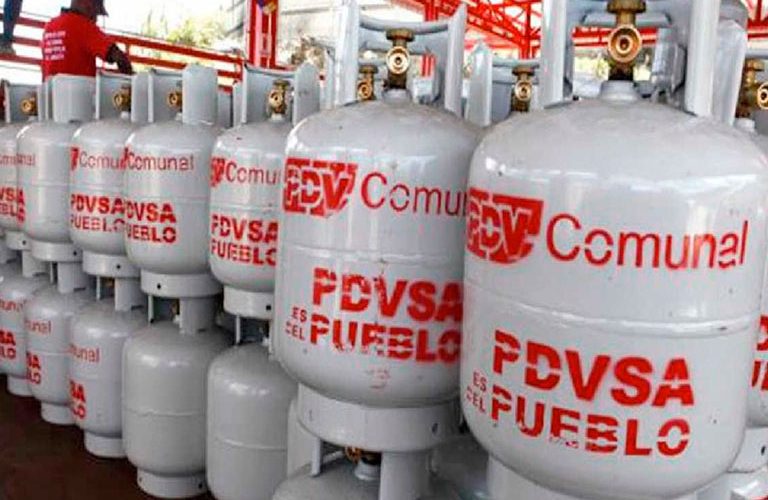
The push for regulatory alignment centers on modernizing the handling, maintenance, and tracking of gas cylinders and associated infrastructure. Industry participants point out that disparate operating conditions between state-run operators and private distributors hinder efficiency, complicate quality assurance, and pose potential safety hazards for everyday consumers who rely on bottled gas for cooking and heating.
According to sector stakeholders, establishing transparent rules and consistent oversight will curb irregular practices and improve accountability within the supply chain. Companies are calling for structured mechanisms to inspect distribution equipment regularly, ensuring that aged or compromised cylinders are taken out of circulation before reaching residential neighborhoods.
Tightening Cylinder Safety and Equipment Controls
A core element of the sector’s proposal involves tightening quality controls on both products and distribution equipment. Industry representatives emphasize that unauthorized cylinder refilling and inadequate maintenance of older containers represent significant risks that require immediate regulatory attention.
Under the proposed framework, standardized safety checks would apply universally to all companies involved in filling, transporting, and selling domestic gas. This includes verifying tare weights, testing valve integrity, and enforcing strict guidelines for the retirement of damaged units. Proponents maintain that uniform enforcement protects consumers while establishing fair competition among authorized distributors.
Navigating Economic Realities and Logistical Hurdles
The debate over market conditions unfolds against a backdrop of ongoing logistical hurdles within the nation’s energy sector. Bottlenecks in transport, fluctuating fuel availability, and pricing pressures have historically complicated the steady delivery of gas to remote and urban communities alike. Private distributors contend that without equal access to operational inputs and institutional support, meeting rising consumer demand remains an uphill battle.
Industry advocates stress that cooperation between private enterprises and regulatory bodies is essential to stabilizing distribution networks. By streamlining administrative procedures and addressing supply disparities, authorities could help mitigate delivery delays and ensure more reliable service for end-users.
Awaiting Formal Responses from Regulatory Agencies
As discussions continue, sector representatives are awaiting formal responses from regulatory agencies regarding the proposed standardization measures. Stakeholders plan to pursue further technical mesas—working tables—with policymakers to draft updated guidelines for equipment handling and distribution safety.
Further updates from sector representatives and regulatory bodies are expected as evaluations of the current supply framework proceed.
Related reading