The Future of Women’s Preventive Health Coverage: Navigating Legal Challenges adn Shifting Landscapes
The Affordable Care Act (ACA) dramatically expanded access to women’s preventive health services,guaranteeing coverage without cost-sharing for a range of essential care. Though, this cornerstone of women’s healthcare is facing unprecedented challenges, stemming from ongoing legal battles, evolving federal agency structures, and shifting political priorities. This article provides a comprehensive overview of the current situation, outlining the potential impacts on access to vital services like contraception, and what these changes mean for women’s health.
The ACA’s Preventive Services Mandate: A Foundation Under Pressure
Section 300gg-13 of the ACA mandates that most private health insurance plans and Medicaid expansion programs cover preventive services recommended by the U.S. Preventive Services Task Force (USPSTF), the Health Resources and Services Governance (HRSA), and the Advisory committee on Immunization Practices (ACIP) – all without cost-sharing. HRSA plays a particularly crucial role, specifically issuing the coverage guidelines for women’s preventive services.
However, the future of this mandate is uncertain. A key concern revolves around the potential restructuring of federal agencies and the implications for updating and issuing new recommendations. The specificity of the ACA law, designating HRSA as the agency responsible for women’s preventive service guidelines, raises questions about whether a consolidated agency – should one be formed – would possess the necessary authority and expertise to effectively fulfill this critical function.
ACOG’s Withdrawal and the Future of expert Guidance
Adding to the complexity, the American College of Obstetricians and Gynecologists (ACOG), the professional association that convenes the Women’s Preventive Services Initiative (WPSI) – the panel that provides recommendations to HRSA – has announced it will cease accepting federal funds for its current contracts. This decision stems from changes in federal funding guidelines implemented by the previous administration, which ACOG states “significantly impact ACOG’s program goals, policy positions, and ability to provide timely and evidence-based guidance and recommendations for care.”
While ACOG intends to continue its work independently, the withdrawal of federal funding raises significant questions. Will HRSA or a new agency contract with a different organization to convene a panel? or will the government attempt to create its own panel? The potential for disruption in the established process for developing evidence-based recommendations is a serious concern for women’s health advocates. Notably, this decision was applauded by some within the previous administration and by anti-abortion advocates who have actively sought to limit ACOG’s influence.
Contraceptive Coverage Under Attack: misinformation and Ideological Opposition
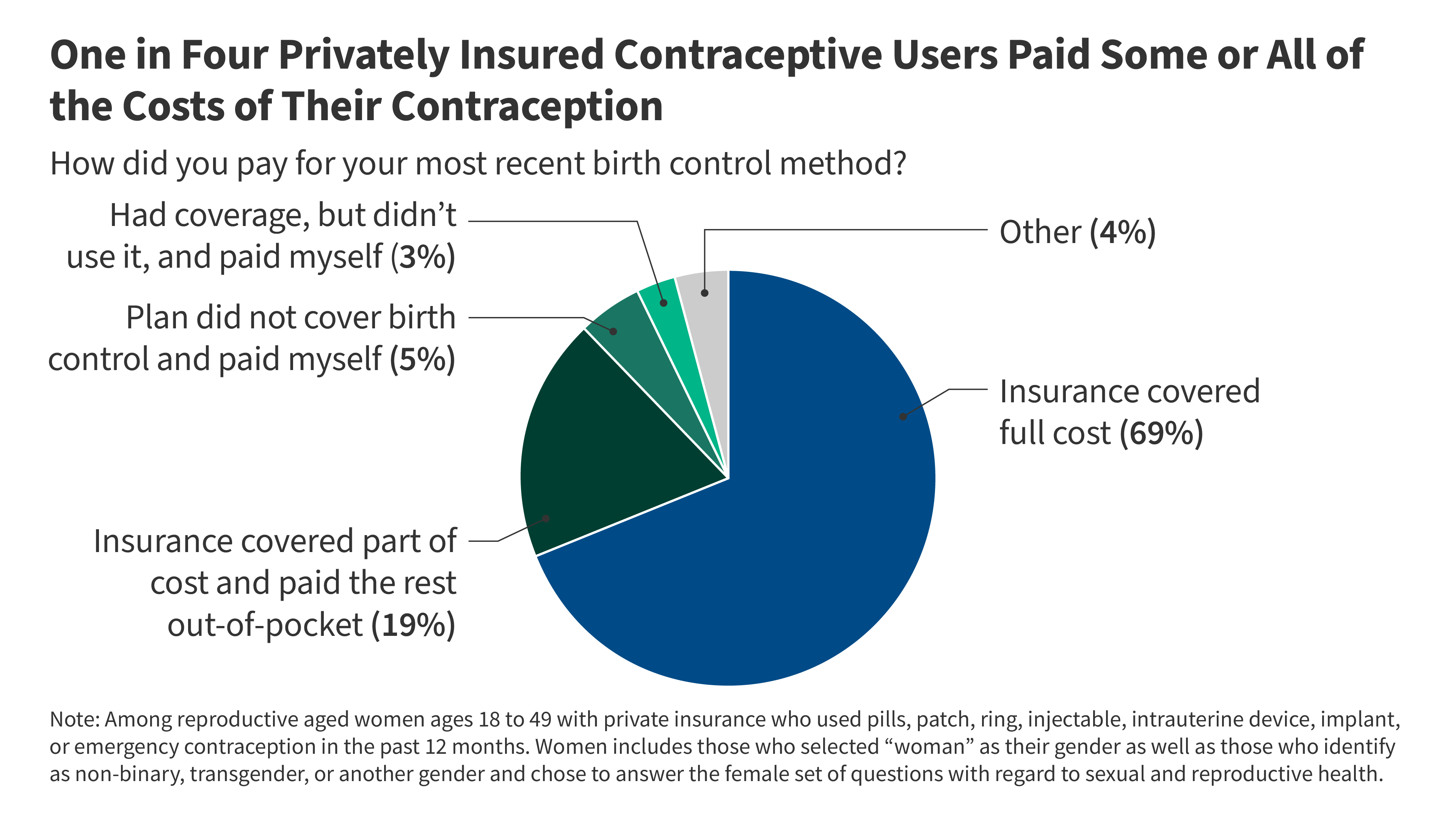
The future of contraceptive coverage is particularly vulnerable. project 2025 and other anti-abortion organizations are actively advocating for the removal of certain contraceptive methods – specifically intrauterine devices (IUDs) and emergency contraception like Ella – from the ACA’s coverage requirements. This push is based on the demonstrably false claim that these methods prevent the implantation of a fertilized embryo.
This claim is unequivocally refuted by scientific evidence. Extensive research, including guidance from the American College of Obstetricians and Gynecologists (ACOG), consistently demonstrates that emergency contraception does not terminate a pregnancy, prevent implantation, or affect a developing embryo.The FDA’s product details for Plan B One-Step further confirms this scientific consensus. Despite this, the persistence of misinformation poses a direct threat to access to essential reproductive healthcare.
The braidwood v. Kennedy Case: Ongoing Legal Battles and Potential Supreme Court Review
The legal landscape surrounding the ACA’s preventive services mandate remains highly contested. The case Braidwood v. Kennedy continues to move thru the courts, challenging the constitutionality of the mandate and raising concerns about religious freedom.
Currently, a federal district court is considering whether the Secretary of Health and Human Services’ ratification of HRSA and ACIP recommendations violates the Administrative Procedure Act, perhaps invalidating the preventive services requirements. The original lawsuit, filed in 2022, also argued that the requirement to cover pre-exposure prophylaxis (PrEP) for HIV prevention violates the Religious Freedom Restoration act (RFRA).
While the Supreme Court ruled in June 2025 that the ACA’s preventive services requirement is constitutional, the Braidwood case introduces new legal challenges.Depending on the District Court’s ruling and potential appeals, this case could once again reach the Supreme Court, further jeopardizing access to vital preventive services.
What This Means for Women’s Health
The confluence of these factors – agency restructuring, ACOG’s withdrawal, ongoing litigation, and ideological opposition – creates a precarious situation for women’
Keep reading