
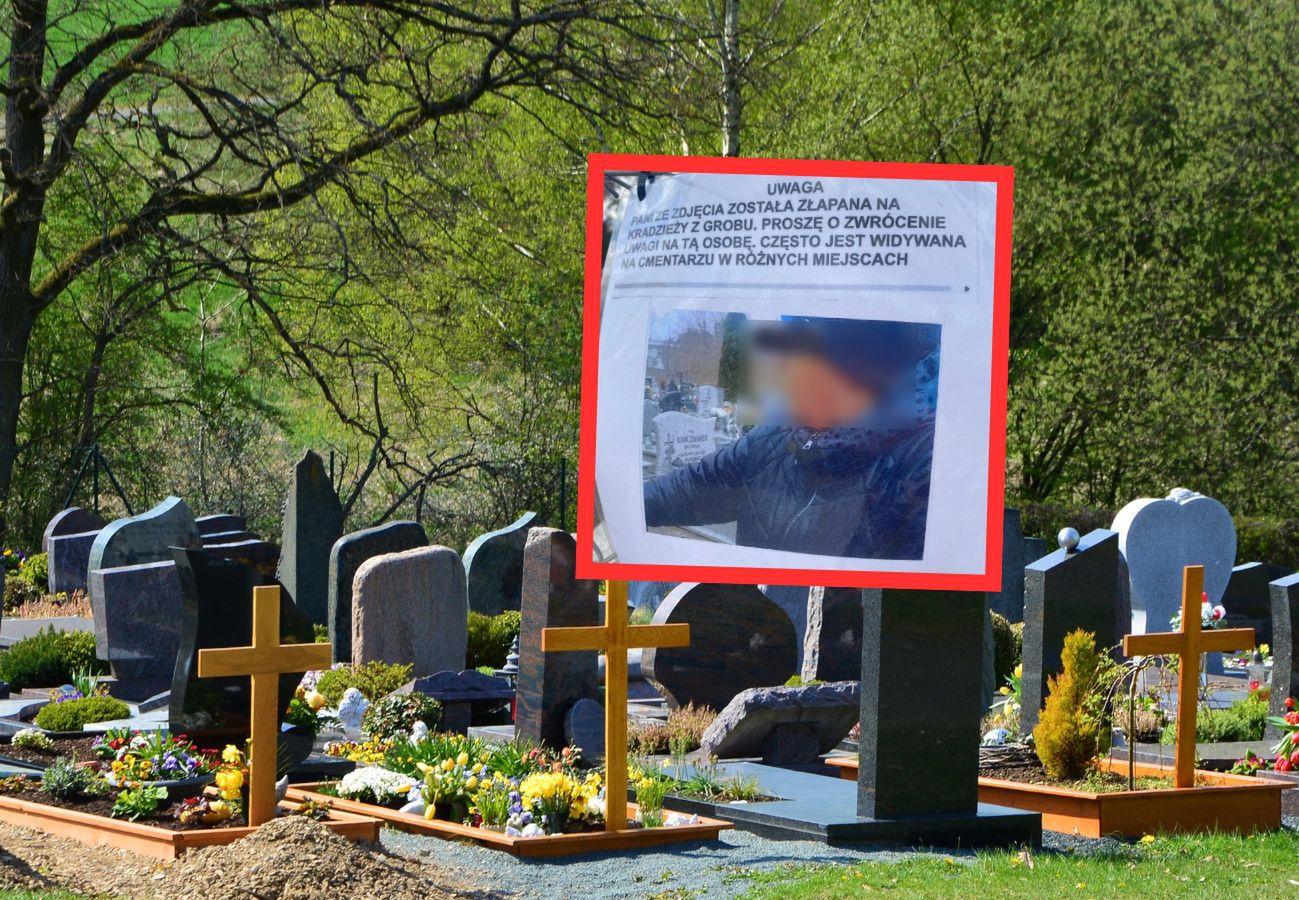
The sanctity of cemeteries is often viewed as a final refuge of peace, but recent events in Poland highlight how these spaces can become flashpoints for public disputes and administrative tension. From the placement of controversial notices on graves to legal battles over the right to bury a loved one, the intersection of grief and bureaucracy is creating significant friction for families across the country.
In a particularly striking instance of administrative action, the city of Szczecin recently drew attention for placing hundreds of notices on graves. This move, intended to inform families about the potential liquidation of neglected plots, has sparked widespread concern among visitors to the necropolis, raising questions about the balance between urban management and the preservation of memory.
These administrative disputes are mirrored by deeply personal conflicts. In Łochów, Mazovia, a family’s attempt to bury a loved one has been stalled by a dispute over a critical legal document—the death certificate—which was allegedly withheld by the deceased’s partner. This convergence of official policy and private conflict underscores the complexities of funeral laws and the emotional toll of delayed burials.
Administrative Alerts and Grave Liquidation in Szczecin
The use of written notices on graves has become a contentious tool for municipal authorities in several Polish cities. In Szczecin, which houses the largest cemetery in Poland, officials placed approximately 400 notices on graves in October 2025. These alerts were designed to warn families that certain plots were at risk of liquidation due to neglect or lack of maintenance.
This practice is not isolated to a single city. Similar actions were reported in Kraków, where more than 200 such notices were distributed the previous year. The timing of these alerts, often coinciding with the lead-up to All Saints’ Day—a period of intense visitation and remembrance in Poland—has heightened the anxiety of those visiting the cemeteries. The notices serve as a formal warning that the city may reclaim the land if the graves are not brought up to standard.
The impact of these “controversial notes” extends beyond simple bureaucracy; they often trigger public debate about the ethics of removing graves and the responsibilities of the state versus the family in maintaining ancestral resting places.
Legal Battles Over Burial Rights in Łochów
While some disputes are administrative, others are deeply personal and legal. A distressing situation in Łochów, Mazovia, illustrates the chaos that can ensue when family members and partners clash over the final arrangements of a deceased person. The case involves a woman named Małgorzata, who passed away in December at the home of her partner.
According to reports from the family, the woman’s partner took possession of the death certificate (karta zgonu), a document essential for organizing a legal burial. Without the original copy of this certificate, the cemetery administration refused to grant permission for the burial, leaving the son unable to inter his mother for over a month.
The conflict escalated when the partner allegedly collected the body from the hospital and attempted to organize a funeral without the family’s consent. The son, who learned of his mother’s death nearly 24 hours after the event, intervened to stop the proceedings. Legal experts cited in the matter indicate that, under the law, the son holds the primary right to the burial.
The resolution of this case required the intervention of both the police and the prosecution. Police assistance was necessary for the family to locate the body, and the prosecution ordered an autopsy, although it was not performed at the hospital. Despite interventions from authorities, the partner reportedly refused to return the original death certificate, leaving the family in a legal stalemate with the hospital in Wyszków, which has stated it will respond to requests for explanations in accordance with administrative law.
The Culture of Public Notices in Polish Communities
The trend of using written notes to settle disputes or issue warnings is not limited to cemeteries. There is a broader pattern in Polish residential areas where “neighborly communication” often takes the form of public posters or notes in shared spaces, such as elevators, to address grievances.
In Gliwice and other parts of Silesia, residents have used aggressive notes in apartment blocks to shame neighbors. In one instance, a note written in red marker was posted in an elevator, explicitly calling out a resident of apartment number 12 for failing to clean up after their dog. Similar incidents have been reported in Ostrowiec Świętokrzyski, where disputes over pet hygiene led to heated discussions on social media platforms like Facebook.
Whether It’s a city official placing a notice on a grave in Szczecin or a neighbor posting a complaint in an elevator in Gliwice, these actions reflect a tension between private behavior and public standards. In the case of cemeteries, the stakes are significantly higher, as they involve the permanent removal of a memorial and the legal right to mourn.
Key Takeaways on Cemetery and Burial Disputes
- Administrative Actions: Municipalities like Szczecin use notices (approx. 400 in 2025) to warn of grave liquidation due to neglect.
- Legal Priority: In burial disputes, legal experts suggest that children (sons/daughters) generally have the primary right to organize the burial.
- Essential Documentation: The “karta zgonu” (death certificate) is the mandatory document required by cemetery administrations to authorize a legal burial.
- Public Friction: The use of public notes to address grievances is a recurring theme in both municipal management and residential neighbor disputes across Poland.
The situation regarding the burial of Małgorzata in Łochów remains a matter of legal and administrative review, with the hospital in Wyszków currently processing requests for explanations regarding the handling of the deceased and the associated documentation.
World Today Journal encourages readers to share their thoughts on the balance between municipal maintenance and the rights of grieving families in the comments below.