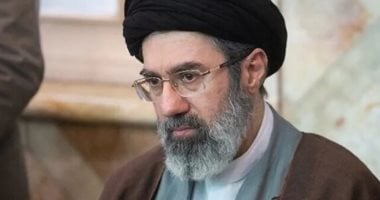
The corridors of power in Tehran are currently shrouded in a level of secrecy that has left global intelligence agencies and diplomatic circles guessing. At the center of this storm is the first purported public appearance of Mojtaba Khamenei, the new Supreme Leader of Iran. While a video recently circulated claiming to show the leader, a wave of technical analysis and intelligence leaks suggests that the footage was not a genuine appearance, but rather a sophisticated AI-generated deception.
This controversy arrives at a critical juncture for the Islamic Republic. Following reported airstrikes on the residence of the former leader, Ali Khamenei, the transition of power has been marred by silence from official state channels. The suspicion that the Mojtaba Khamenei first appearance AI video was fabricated has intensified concerns regarding the actual physical and political state of the man now holding the highest office in Iran.
Reports from Israeli security and medical sources indicate that the new Supreme Leader may be incapacitated, rendering him unable to perform his duties. This vacuum of leadership has allegedly triggered a volatile power struggle within the Iranian system, pitting the pragmatic approach of President Masoud Pezeshkian against a hardline faction within the Islamic Revolutionary Guard Corps (IRGC) that continues to push for regional escalation.
The AI Deception: Fact-Checking the First Appearance
The digital footage that ignited social media platforms was initially presented as a sign of stability and a confirmation of Mojtaba Khamenei’s health. However, the narrative shifted rapidly when technical examinations revealed anomalies consistent with synthetic media. According to reports citing the Israeli newspaper Yedioth Ahronoth, a detailed forensic analysis of the video concluded that it was generated using artificial intelligence published April 6, 2026.
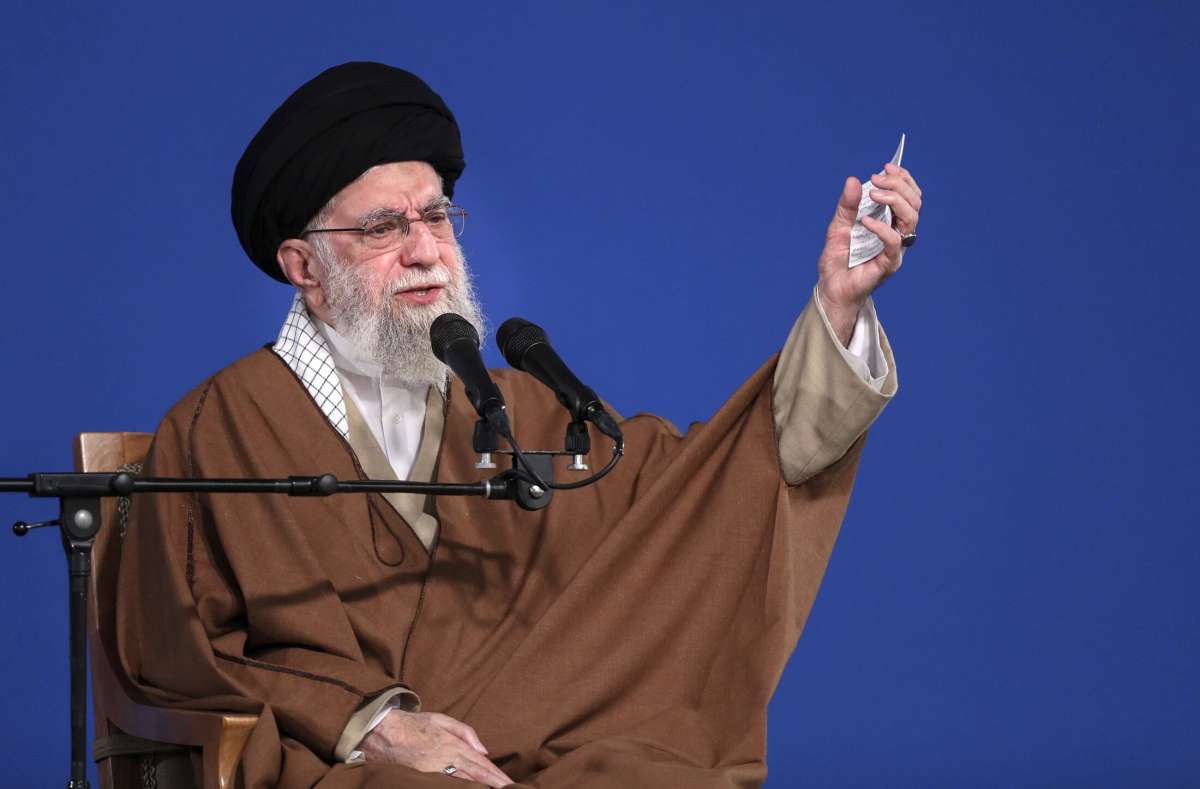
The employ of AI to simulate the presence of a head of state is a high-stakes gamble, likely intended to project an image of continuity and strength to both the Iranian public and foreign adversaries. In a system where the Supreme Leader’s visibility is synonymous with legitimacy, the reliance on deepfake technology suggests a desperate attempt to mask a potentially catastrophic leadership crisis.
Reports of Severe Injury and Secret Confinement
While the Iranian government maintains official silence, leaked intelligence paints a grim picture of the new leader’s health. A medical source cited by Israeli media claims that Mojtaba Khamenei is currently confined to a secret underground intensive care unit (ICU). The reports suggest he suffered severe injuries during an Israeli-U.S. Airstrike targeting the residence of his father, Ali Khamenei published April 6, 2026.
The specifics of these injuries are varied across reports, highlighting the difficulty of verifying information from within Tehran’s secure zones. One medical source asserts that Khamenei is suffering from complete paralysis in one arm and at least one leg following failed surgical attempts to save the limbs published April 6, 2026. Other reports, cited by the newspaper Ma’ariv, suggest the leader may be suffering from significant facial disfigurement, which would explain the extreme measures taken to hide him from public view published April 3, 2026.
A System in Conflict: Pezeshkian vs. The Hardliners
The perceived absence of a functioning Supreme Leader has exacerbated an existing rift within the Iranian government. At the heart of this struggle is President Masoud Pezeshkian, who is described as favoring a more pragmatic approach to diplomacy and internal governance. Opposing him is a powerful bloc of hardliners within the IRGC, who view any diplomatic concession as a sign of weakness and are pushing for continued military escalation published April 6, 2026.
In a healthy system, the Supreme Leader acts as the ultimate arbiter of these disputes. However, if Mojtaba Khamenei is indeed incapacitated, the mechanism for resolving these conflicts is broken. This instability makes the Iranian state more susceptible to internal fragmentation, as different centers of power vie for control over the country’s strategic direction.
The Geopolitical Chessboard: The U.S. And Israeli Strategy
Despite the reports of his injuries, Notice indications that Mojtaba Khamenei is being intentionally spared from further targeted strikes. According to sources cited by Ma’ariv, the United States has requested that Israel refrain from targeting the new Supreme Leader. The strategic logic behind this is to maintain a “weighted” Iranian figure who could potentially provide internal legitimacy for a future ceasefire agreement published April 3, 2026.
This approach suggests that Washington views the current chaos in Tehran as an opportunity to negotiate with a weakened but still recognized authority. By keeping Mojtaba Khamenei alive, the U.S. May be attempting to avoid a total systemic collapse in Iran, which could lead to unpredictable regional instability. Meanwhile, the Israeli military continues to intensify its efforts to locate and eliminate other high-ranking IRGC officers, executing strikes nearly every one to two days published April 6, 2026.
Summary of Conflicting Reports on Mojtaba Khamenei
| Source/Perspective | Claimed Health Status | Current Location/State | Strategic Intent |
|---|---|---|---|
| Medical Source (via Yedioth Ahronoth) | Paralysis in one arm and one leg | Secret underground ICU | Masked by AI videos |
| Israeli Sources (via Ma’ariv) | Facial disfigurement / Deteriorated health | Hidden from public view | Spared by U.S. For future legitimacy |
| Security Reports (via Sky News) | Injured during inauguration | Outside the active scene | Triggering internal power struggle |
As the world awaits a genuine, verified appearance of the new Supreme Leader, the reliance on AI-generated content serves as a stark reminder of the new era of psychological warfare. For the people of Iran and the international community, the question remains: is there a leader actually in charge, or is the Islamic Republic currently being steered by a digital ghost and a fractured council of generals?
The next critical checkpoint will be any official state-mandated address or a verified physical appearance at a major religious or political event, which would either confirm the reports of incapacitation or debunk them. Until then, the silence from Tehran speaks louder than any AI-generated video.
Do you believe AI will become the primary tool for political deception in the coming years? Share your thoughts in the comments below or share this report on social media to join the conversation.