
By Jonathan Reed, Editor, News
May 18, 2026 — London, UK — Bulgaria’s political landscape is tense following accusations that the ruling coalition is pushing through “scandalous” changes to the National Assembly’s internal rules. Opposition parties, including Progressive Bulgaria (PB) and Democrats for Bulgaria (DB), have condemned the proposed amendments as an attempt to restrict parliamentary oversight and transparency. Meanwhile, government officials insist the reforms are necessary to modernize legislative procedures.
The controversy centers on three key proposals: stricter access controls for lawmakers to parliamentary documents, revised voting procedures and changes to committee operations. Critics argue these measures could undermine democratic checks and balances, while supporters claim they will improve efficiency and accountability.
What follows is a detailed breakdown of the proposed changes, the political reactions, and the potential consequences for Bulgaria’s democratic institutions.
Bulgarian opposition leaders have labeled proposed amendments to the National Assembly’s internal rules as “scandalous,” accusing the ruling coalition of attempting to limit parliamentary oversight and transparency. The controversy has intensified as lawmakers prepare to vote on the changes, with critics warning of a potential erosion of democratic safeguards.
At the heart of the dispute are three major proposals: tighter controls on deputies’ access to parliamentary documents, modifications to voting procedures, and revisions to committee operations. While the ruling parties frame these changes as necessary for modernizing legislative processes, opposition factions argue they could weaken parliamentary scrutiny and undermine the balance of power.
This article examines the specific amendments under consideration, the political reactions from key stakeholders, and the broader implications for Bulgaria’s democratic institutions. It also explores what happens next in the legislative process and how these changes could affect public trust in the National Assembly.
According to verified reports from Bulgarian media outlets, the proposed rule changes have triggered sharp reactions across the political spectrum. Bozhidar Bozhanov, a prominent opposition figure, has publicly condemned the amendments, stating they represent an unacceptable restriction of parliamentary freedoms. Meanwhile, government officials have defended the proposals as essential for improving legislative efficiency.
One of the most contentious aspects of the proposed changes involves restrictions on deputies’ access to parliamentary documents. Critics argue that these measures could hinder lawmakers’ ability to conduct thorough oversight of government actions. The ruling coalition, however, maintains that the changes are necessary to prevent the misuse of confidential information.
Another key area of disagreement revolves around proposed modifications to voting procedures. Opposition parties fear these changes could make it easier for the ruling majority to push through legislation without adequate debate or scrutiny. Government supporters, argue that the revisions will streamline decision-making processes and reduce procedural delays.
The debate over parliamentary rules is not new in Bulgaria. Over the past decade, the country has seen multiple attempts to reform legislative procedures, often accompanied by accusations of political maneuvering. The current controversy comes amid growing public dissatisfaction with the functioning of democratic institutions in Bulgaria, with many citizens expressing concerns about corruption and lack of transparency in government.
Recent polls suggest that a significant portion of the Bulgarian population is skeptical about the motives behind the proposed rule changes. Many citizens view the amendments as an attempt by the ruling coalition to consolidate power and reduce opposition influence within the National Assembly.
As the political debate intensifies, it is crucial to examine the specific proposals under consideration and assess their potential impact on Bulgaria’s democratic institutions.
Key Proposals Under Controversy
The proposed amendments to the National Assembly’s internal rules include several measures that have sparked particular concern among opposition parties and civil society organizations. Here are the most contentious aspects of the proposed changes:
- Restricted Access to Parliamentary Documents: The ruling coalition has proposed stricter controls on deputies’ access to parliamentary documents, including legislative proposals, committee reports, and other internal materials. Critics argue that these restrictions could limit lawmakers’ ability to conduct thorough oversight of government actions and prepare for debates effectively.
- Modified Voting Procedures: The proposed changes include revisions to voting procedures that could make it easier for the ruling majority to push through legislation with less debate. Opposition parties fear that these modifications could undermine the principle of robust parliamentary scrutiny and reduce opportunities for meaningful discussion of critical issues.
- Revised Committee Operations: The amendments also address the functioning of parliamentary committees, including changes to their composition, decision-making processes, and reporting requirements. Critics warn that these revisions could weaken the independence of committees and reduce their effectiveness as tools for legislative oversight.
While the ruling coalition has framed these changes as necessary for modernizing legislative procedures and improving efficiency, opposition parties and civil society groups have expressed serious concerns about their potential impact on democratic governance.
Political Reactions and Stakeholder Perspectives
The proposed rule changes have elicited strong reactions from across Bulgaria’s political spectrum. Opposition parties, including Progressive Bulgaria and Democrats for Bulgaria, have been particularly vocal in their criticism, with leaders accusing the ruling coalition of attempting to consolidate power and reduce parliamentary oversight.
Bozhidar Bozhanov, a prominent opposition figure, has labeled the proposed amendments as “scandalous,” stating that they represent an unacceptable restriction of parliamentary freedoms. Bozhanov and other critics argue that the changes could undermine the principle of open government and reduce public trust in the National Assembly.
In contrast, government officials have defended the proposed rule changes as necessary for improving legislative efficiency and accountability. They argue that the amendments will help streamline decision-making processes, reduce procedural delays, and prevent the misuse of confidential information.
Civil society organizations have also expressed concerns about the potential impact of the proposed changes. Groups such as the Transparency International Bulgaria chapter have warned that the amendments could weaken democratic safeguards and reduce opportunities for public oversight of government actions.
As the political debate continues, it is important to consider the broader implications of these proposed rule changes for Bulgaria’s democratic institutions and the country’s political landscape.
Potential Consequences and Broader Implications
The proposed amendments to the National Assembly’s internal rules have the potential to significantly impact Bulgaria’s democratic institutions and political landscape. Here are some of the key consequences that could arise from the adoption of these changes:

- Reduced Parliamentary Oversight: Stricter controls on deputies’ access to parliamentary documents could limit lawmakers’ ability to conduct thorough oversight of government actions, potentially weakening the National Assembly’s role as a check on executive power.
- Undermined Public Trust: The perception that the ruling coalition is attempting to consolidate power and reduce transparency could further erode public trust in Bulgaria’s democratic institutions, particularly among citizens who are already skeptical about government transparency.
- Political Polarization: The controversy surrounding the proposed rule changes has the potential to deepen political divisions in Bulgaria, with opposition parties and civil society groups likely to intensify their criticism of the ruling coalition in the lead-up to the legislative vote.
- International Scrutiny: The proposed amendments have drawn attention from international organizations and human rights groups, which could increase scrutiny of Bulgaria’s democratic institutions and potentially lead to criticism from the European Union and other international partners.
As Bulgaria prepares to vote on the proposed rule changes, it is crucial to monitor the potential consequences of these amendments and assess their impact on the country’s democratic institutions and political landscape.
What Happens Next: The Legislative Process and Public Reaction
The proposed amendments to the National Assembly’s internal rules are currently under consideration by the Bulgarian parliament. Lawmakers are expected to hold a series of debates and votes on the proposed changes in the coming weeks, with the final outcome likely to be determined by the balance of power within the National Assembly.
Opposition parties have indicated that they will strongly oppose the proposed rule changes, with some lawmakers threatening to use procedural tactics to delay or block the amendments. Meanwhile, the ruling coalition appears determined to push the changes through, arguing that they are necessary for modernizing legislative procedures.
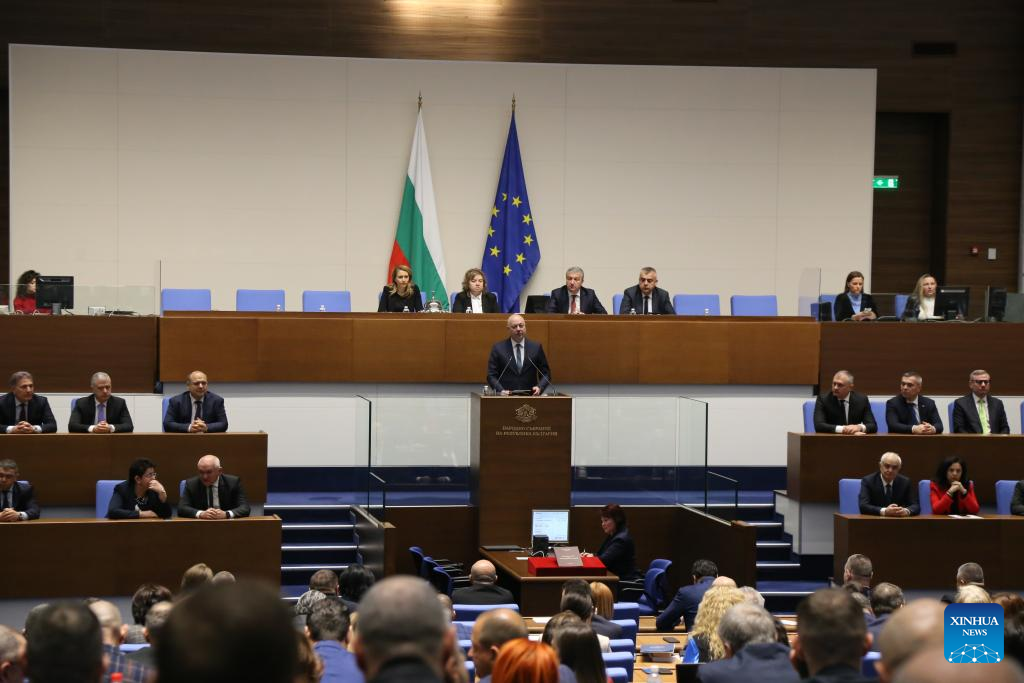
As the political debate intensifies, it is important to consider the potential impact of these proposed rule changes on Bulgaria’s democratic institutions and the country’s political landscape. The outcome of the legislative process could have significant consequences for the balance of power within the National Assembly and the level of public trust in Bulgaria’s democratic institutions.
Citizens and civil society groups are encouraged to monitor the legislative process closely and engage in public discussions about the proposed rule changes. The National Assembly has made available official documents and updates on the legislative process, which can be accessed through the parliament’s official website.
Key Takeaways
- The proposed amendments to Bulgaria’s National Assembly internal rules have sparked intense political debate, with opposition parties accusing the ruling coalition of attempting to restrict parliamentary oversight and transparency.
- Key proposals include stricter controls on deputies’ access to parliamentary documents, modified voting procedures, and revised committee operations, all of which have raised concerns about potential erosion of democratic safeguards.
- Opposition leaders, including Bozhidar Bozhanov, have condemned the changes as “scandalous,” while government officials defend them as necessary for improving legislative efficiency.
- Civil society organizations and international observers have expressed concerns about the potential impact of the proposed changes on Bulgaria’s democratic institutions and public trust in government.
- The outcome of the legislative process could have significant consequences for the balance of power within the National Assembly and the level of public trust in Bulgaria’s democratic institutions.
The next critical checkpoint in this legislative process will be the scheduled parliamentary vote on the proposed rule changes, expected to take place within the next two to four weeks. Citizens are encouraged to follow updates from the National Assembly’s official website and engage with their elected representatives about these important reforms.
We welcome your comments and insights on this developing story. Share your perspective in the comments below or share this article with others who may be interested in Bulgaria’s political developments.
Worth a look