The escalating global focus on sustainable practices is increasingly turning attention to cooling technologies, a sector traditionally energy-intensive and a significant contributor to greenhouse gas emissions. While much discussion centers on renewable energy for power generation, the need for efficient and environmentally responsible cooling solutions is gaining momentum, particularly as climate change drives up temperatures worldwide. Innovative approaches, integrating renewable energy sources with advanced building technologies, are emerging as key strategies for reducing the environmental impact of keeping our homes and workplaces comfortable.
Recent developments highlight a shift towards viewing cooling not as a separate energy demand, but as an integrated component of overall building energy management. This holistic approach, as demonstrated by projects in Austria and detailed in a recent report by the United Nations, emphasizes energy recovery, decentralized systems, and the utilization of naturally occurring resources to minimize reliance on traditional, often polluting, cooling methods. The future of cooling, it appears, lies in smarter, more sustainable designs.
The Rise of Integrated Cooling Systems in Building Design
Traditional cooling systems often rely heavily on electricity generated from fossil fuels, contributing significantly to carbon emissions. However, a growing number of architects, engineers, and developers are adopting integrated systems that combine renewable energy sources, such as solar power, with innovative technologies like heat pumps, thermal energy storage, and intelligent building controls. This approach aims to drastically reduce energy consumption and minimize environmental impact.
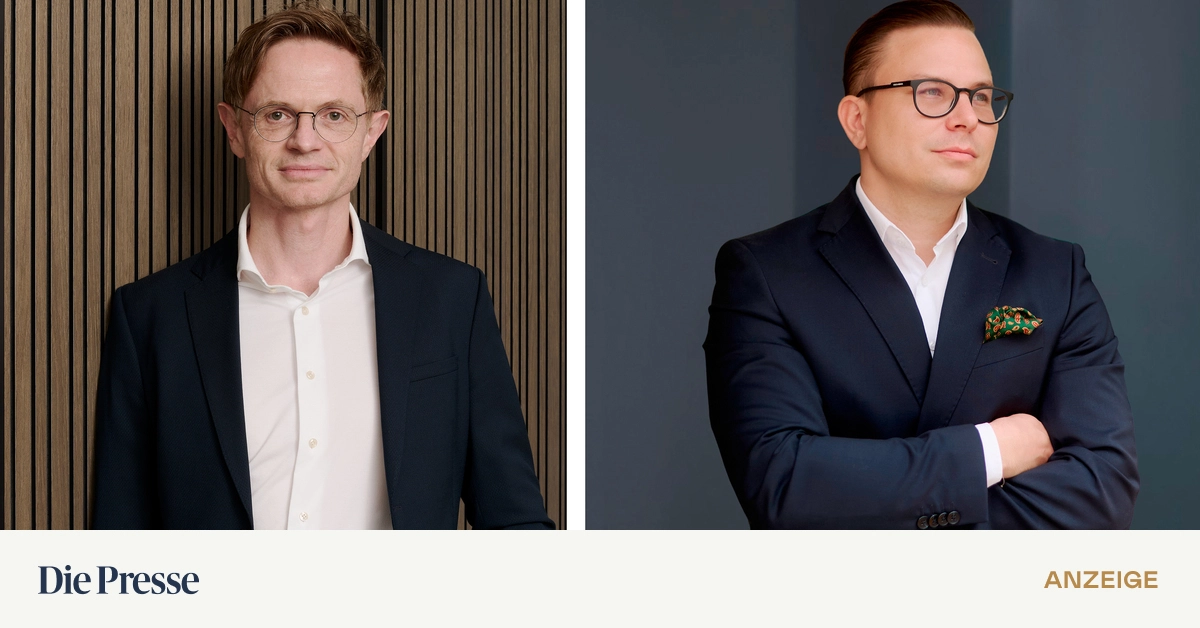
Ulreich Bauträger & Gassner + Brenner, Austrian construction firms, are pioneering this approach in the renovation of older buildings. Maximilian Henn, Senior Sales Manager at Ulreich Bauträger, notes that many believe older buildings are inherently energy inefficient, but with the right systems, they can achieve energy performance comparable to modern passive houses, offering both comfort and sustainability. Their new system focuses on intelligent energy recovery, optimizing the interplay between heating and cooling. This is particularly crucial as managing heat periods becomes a more pressing concern.
The LUMA project in Vienna’s 19th district exemplifies this integrated approach. It features an innovative energy system incorporating an Anergienetz (energy network), heat pumps, photovoltaic panels, and intelligent building technology. All apartments are equipped with comfort ventilation with heat recovery and cooling capabilities. As Jürgen Brenner, Managing Director at Gassner + Brenner, states, “Kühlen ist das große Zukunftsthema [cooling is the big topic of the future],” and this principle is being incorporated into all their projects, both new and old.
Another project, Euphoria in Vienna’s 4th district, utilizes deep ground probes, heat pumps, and core activation to provide heating and cooling. Heating is delivered via underfloor heating, while cooling is achieved through core activation. The firms are moving away from centralized heating systems towards decentralized solutions, offering greater efficiency and flexibility.
UN Report Highlights Need for Efficient Climate Technology
The growing importance of sustainable cooling is underscored by a United Nations report released in June 2025, which outlines pathways to more efficient climate technology. The report, as covered by Deutschlandfunk, emphasizes the urgent need to address the environmental impact of cooling, particularly in the face of rising global temperatures. While the specific details of the report aren’t publicly available beyond the summary, its release signals a growing international awareness of the issue.
The report’s findings likely build upon existing research into alternative cooling methods, such as evaporative cooling, district cooling networks, and the use of sustainable refrigerants. These technologies offer the potential to significantly reduce energy consumption and greenhouse gas emissions associated with cooling.
Nature-Based Solutions: Leveraging the Power of Plants
Beyond technological advancements, nature-based solutions are also gaining recognition as effective cooling strategies. These approaches utilize natural processes to reduce heat buildup and improve air quality. One prominent example is the use of vegetation for shading and evaporative cooling.
According to a report from the German Bundestag, plants act as shading elements, reducing direct sunlight exposure on buildings. They release water vapor through their leaves, cooling both the building and the surrounding air. This natural cooling effect can potentially eliminate or reduce the need for conventional air conditioning systems. This approach is particularly relevant in urban environments, where the “urban heat island” effect exacerbates temperatures.
The Role of Green Infrastructure
Green infrastructure, including green roofs, green walls, and urban forests, plays a crucial role in mitigating the urban heat island effect and providing natural cooling. Green roofs, for example, can reduce roof temperatures by as much as 30°C (86°F) and lower building energy consumption. Green walls can provide similar benefits, while also improving air quality and enhancing biodiversity.
Urban forests offer widespread cooling benefits, providing shade, reducing wind speeds, and releasing water vapor through transpiration. Strategic planting of trees can significantly lower temperatures in urban areas, creating more comfortable and livable environments.
Challenges and Future Outlook
Despite the growing momentum towards sustainable cooling, several challenges remain. The initial investment costs for implementing advanced cooling systems can be higher than those for traditional methods. Retrofitting existing buildings with these technologies can be complex and expensive. However, these costs are often offset by long-term energy savings and reduced environmental impact.
Another challenge is the need for skilled professionals to design, install, and maintain these systems. Investing in training and education is crucial to ensure the widespread adoption of sustainable cooling technologies. Policy support, such as incentives and regulations, can also play a significant role in accelerating the transition.
Looking ahead, the demand for sustainable cooling is expected to continue to grow as climate change intensifies and energy costs rise. Innovation in materials science, building design, and energy management will be key to developing even more efficient and environmentally friendly cooling solutions. The integration of artificial intelligence and machine learning can further optimize cooling systems, adapting to changing conditions and maximizing energy savings.
The shift towards sustainable cooling represents a fundamental change in how we approach building design and energy management. By embracing innovative technologies and nature-based solutions, we can create more comfortable, resilient, and environmentally responsible built environments for future generations.
The next key development to watch will be the release of further details from the June 2025 UN report on sustainable cooling, which is expected to provide more specific recommendations for policymakers and industry stakeholders. We encourage readers to share their thoughts and experiences with sustainable cooling solutions in the comments below.
Keep reading
- EU Directive on Improving Employee Working Conditions: France’s Implementation Deadline
- Veľký horoskop na mesiac AUGUST: Kto by si nemal nechať stúpnuť úspech do hlavy, a na ktoré znamenie čaká hneď niekoľko náročných výziev – Diva.sk
- Beyond Robotic Dog Inspections: The Future of Industrial Automation (newsdirectory3.com)