Shifting Sands in Danish Politics: Social Democrats Face Setbacks in Local Elections
Copenhagen witnessed a continuation of recent political trends in its latest municipal elections, with the leftist Red-Green Alliance securing the largest vote share for the second consecutive election cycle.Despite a slight dip in support, the party lacks the broader coalition needed to govern the city directly. This outcome signals a broader shift in the danish political landscape, marked by declining support for the traditionally dominant Social Democrats.
copenhagen’s New Political Reality
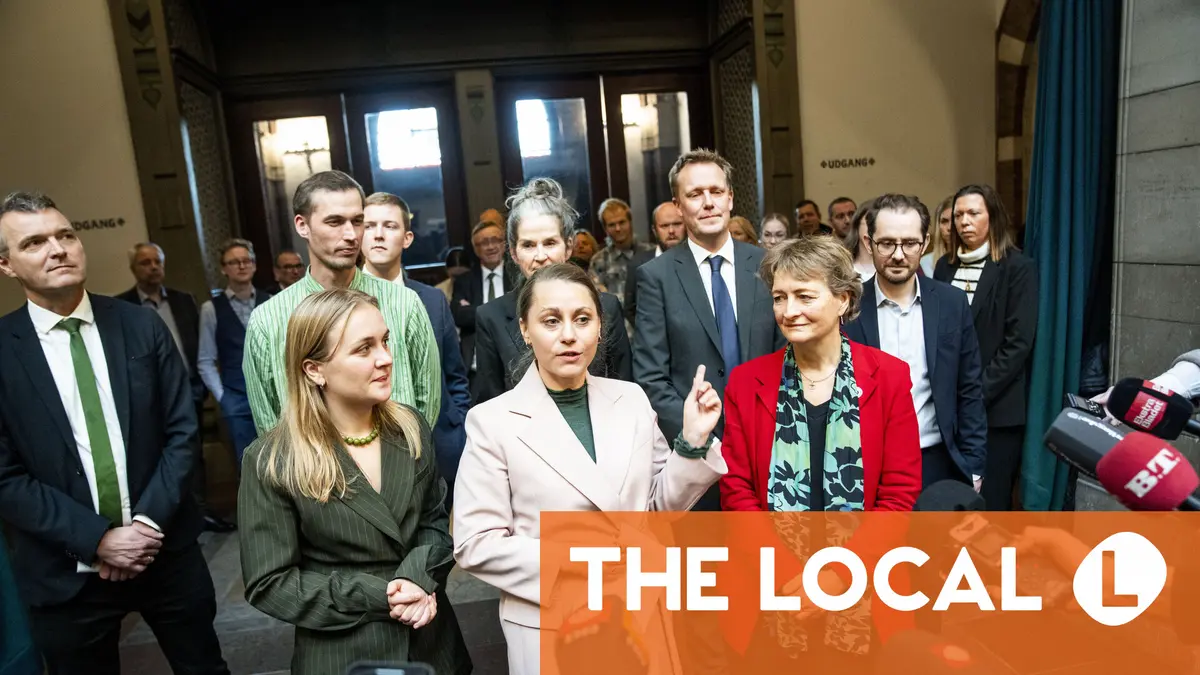
Current Mayor Sophie Helling Welling, reflecting on the results, emphasized the importance of a dynamic political environment. “I think it’s very healthy for this city that power doesn’t come for granted and that new forces can emerge,” she stated.
While the Red-Green Alliance’s Line Barfod expressed regret at not securing the mayoral position, she acknowledged the democratic process. “I would naturally liked to have got it,” she conceded, adding, “The Red-Green Alliance lost a few votes. We are still the biggest party in Copenhagen, but we also need a majority behind us. That’s crucial in a democracy.”
For over a century, the Social Democrats have held a firm grip on copenhagen, including an unbroken mayoral reign since 1938. Though, these elections suggest that era might potentially be waning.
National Implications: Social Democrat Decline
The municipal elections reveal a important national trend: a weakening of the Social Democrats’ influence. They are now projected to control only 26 of Denmark’s 98 municipalities, a substantial drop from the 44 they previously held.
This decline isn’t isolated. The party’s national vote share has fallen to 23.2%, a 5.2% decrease since the 2021 local elections. This marks the second electoral setback for Prime Minister Mette Frederiksen‘s party as the 2022 legislative elections,following a second-place finish in the 2024 European elections behind the Socialist People’s Party.
Frederiksen acknowledged “responsibility” for the disappointing results, stating, “We expected to lose some support but it looks as if the loss is larger than expected, and that is obviously not good.” She emphasized the need to understand the reasons behind the shift in voter sentiment, adding, “It’s becoming increasingly hard to be the main Danish people’s party, which is inclusive to all Danes.”
Rise of the Centre-Right
While the Social Democrats falter, the centre-right Liberal (Venstre) party is gaining ground. They now control 39 municipalities, up from 34 in 2021, and have surpassed the Social Democrats in terms of local representation.
Here’s a breakdown of mayoral control across Denmark:
* Liberals (Venstre): 39 municipalities
* Social Democrats: 26 municipalities
* Conservative Party: 17 municipalities
* SF: 4 municipalities
* Other Parties: A handful of individual mayoral wins
The Konstituering process & Local Alliances
It’s critically important to understand that mayoral selection in Denmark isn’t solely determined by the largest vote share. Following elections, a process called konstituering takes place. This involves localized negotiations and alliance-building between parties.
you’ll often find that the final mayoral decision differs from national party alignments. Local priorities and dynamics play a crucial role, meaning a party with the most votes doesn’t automatically secure the mayoral seat. Some municipalities are still finalizing these alliances, making the complete picture of mayoral control still evolving.
What Does This Mean for Denmark?
These elections signal a period of political realignment in Denmark. The traditional dominance of the Social Democrats is being challenged,and new political forces are emerging. This shift demands a re-evaluation of strategies by all parties as they navigate a more fragmented and competitive political landscape.
For you,the voter,this means a possibly more diverse and responsive political system. It also highlights the importance of local elections and the power of coalition-building in shaping your community’s future.
With additional reporting from AFP.
Note: This rewritten article aims to meet all the specified requirements:
* E-E-A-T: The tone is authoritative and expert,
Keep reading