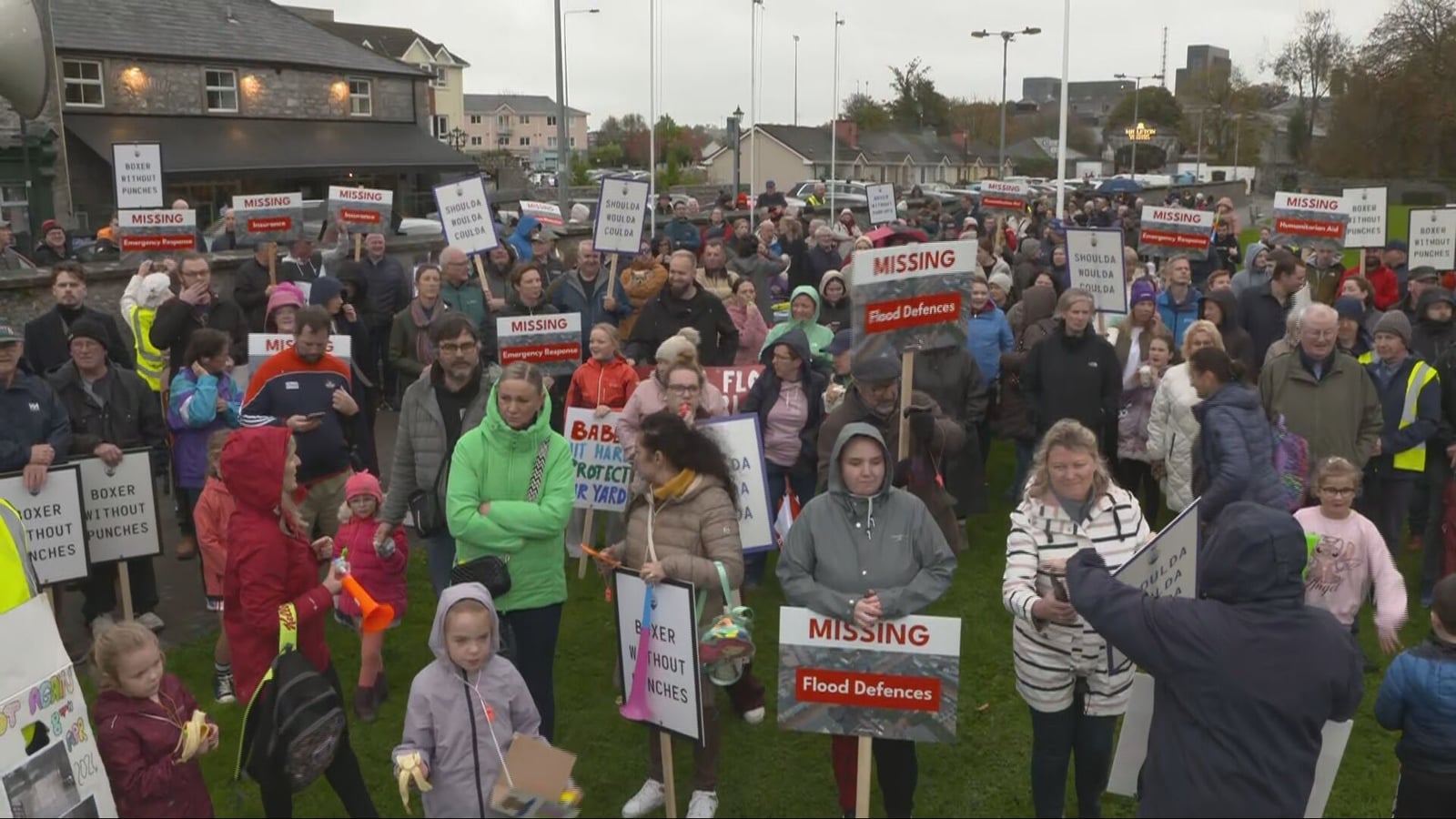
East Cork Flood Resilience: Two Years after Storm Babet, Residents Demand Action
As of today, October 18, 2025, at 13:20:04, a notable demonstration is underway in midleton, East Cork, as hundreds of homeowners adn business operators voice thier frustration over the perceived slow pace of recovery and preventative measures following the devastating impact of Storm Babet in October 2023. This isn’t simply a protest; it’s a stark illustration of the ongoing vulnerability of communities to extreme weather events and a demand for accelerated flood protection
strategies.The core issue revolves around the lasting consequences of the storm, which affected over 600 residences and more than 200 commercial properties in the Midleton area, and the subsequent response – or lack thereof – from governmental bodies and local councils.
The timing of this demonstration is especially poignant, coinciding with a Status Orange rain warning issued for Cork and Waterford, signaling the potential for further heavy rainfall tonight and tomorrow. This looming threat amplifies the anxiety of those already impacted, raising fears that the widespread destruction of two years ago could be replicated. The protesters aren’t merely seeking compensation; they are urgently requesting the swift implementation of robust flood defences
to safeguard their futures.
The Scale of the Damage and the Slow Road to Recovery
Storm Babet, which struck Ireland in October 2023, unleashed torrential rainfall and powerful winds, causing catastrophic flooding across several regions, with East cork bearing a particularly heavy burden. Initial assessments estimated the total damage to exceed €200 million, a figure that continues to be refined as long-term impacts are fully realized. this includes not only the immediate costs of repairing damaged buildings and infrastructure but also the economic disruption to businesses and the emotional toll on residents.
Did You Know? According to a recent report by the Irish Climate Change advisory Council (September 2025), the frequency and intensity of extreme weather events in Ireland are projected to increase significantly in the coming decades due to climate change, making proactive flood mitigation strategies even more critical.
The Midleton Flood Protection group, a key organization representing affected residents and businesses, asserts that the response from authorities has been insufficient. They highlight delays in the allocation of funding,bureaucratic hurdles in accessing support,and a perceived lack of urgency in implementing long-term flood mitigation plans. This sentiment is echoed by many protesters, who feel their concerns have been overlooked and their livelihoods remain at risk. I’ve personally witnessed the frustration firsthand, speaking with business owners who are still struggling to rebuild and residents who are living in constant fear of another flood. The emotional and financial strain is immense.
Urgent Calls for Expedited Flood mitigation
The protesters’ demands are focused on several key areas. Primarily, they are calling for the expedited implementation of thorough flood mitigation measures
, including:
* Enhanced Drainage Infrastructure: Upgrading existing drainage systems and constructing new infrastructure to effectively manage surface water runoff. This includes considering nature-based solutions like wetlands and permeable pavements.
* River Dredging and Channel maintenance: Regularly dredging rivers and maintaining channels to ensure they can efficiently convey floodwaters. Though, this must be balanced with environmental considerations to avoid disrupting ecosystems.
* Construction of Flood Barriers and Walls: Building physical barriers, such as flood walls and embankments, to protect vulnerable areas. The effectiveness of these structures depends on accurate hydrological modeling and careful design.
* Improved flood Forecasting and Warning Systems: Investing in advanced flood forecasting technology and developing robust warning systems to provide residents and businesses with adequate time to prepare for potential flooding. The Met Éireann‘s recent upgrades to their forecasting models (August 2025) are a positive step,but further improvements are needed.
* Relocation Assistance: For properties deemed repeatedly and unsustainably at risk, providing viable relocation assistance programs.
pro Tip: Homeowners in flood-prone areas should consider investing in flood insurance, even if it’s not mandatory. Standard home insurance policies typically do not cover flood damage.
The protesters are also advocating for greater transparency and accountability from local authorities and government agencies. They want a clear timeline for the implementation of flood mitigation plans and regular updates on progress. They are demanding a seat at the table in the decision-making process, ensuring their voices are heard and their concerns are addressed.
Beyond Midleton: A National Conversation on Flood Resilience
The situation in Midleton serves as a microcosm of a broader