
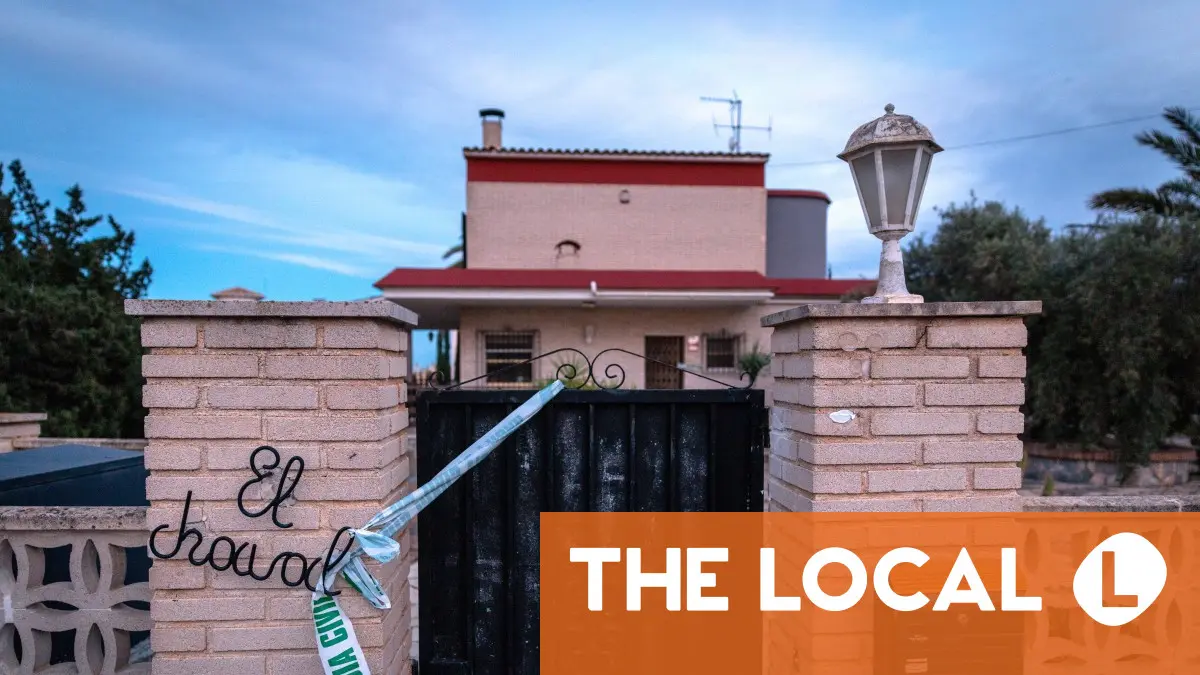
Costa Blanca Violence: Unpacking teh Elche Brawl and the issue of Squatting in Spain
The Costa blanca region of Spain, renowned for its sun-drenched beaches and vibrant tourism, was recently shaken by a tragic incident near Elche. A violent altercation on Monday, December 23rd, 2024, resulted in the deaths of two German nationals and the arrest of two Polish suspects. This event has not only sparked local concern but also reignited a broader debate surrounding squatting (okupación) in Spain, property rights, and the challenges faced by both homeowners and those living in precarious housing situations. This article delves into the details of the Elche incident, examines the legal framework surrounding squatting in Spain, explores the underlying socio-economic factors, and offers insights into potential solutions.
The Elche Incident: A Timeline of Events
Initial reports from Spanish newspaper El País indicate the confrontation stemmed from an attempted eviction. The two German victims, reportedly attempting to reclaim a property, encountered the two Polish suspects who had allegedly been occupying the house for approximately four days.The situation escalated rapidly, resulting in a brutal brawl that ultimately proved fatal for the two German men.
Did You Know? Spain has a relatively high rate of squatting compared to other Western european countries, particularly in regions with a large number of vacant properties.
While police have confirmed the arrests and the deaths, they have refrained from releasing details regarding the nationalities of those involved, citing the ongoing investigation. el País reports a third individual of unknown nationality sustained serious injuries during the altercation, though this remains unconfirmed by official sources.The arrested individuals are being described in Spanish media as okupas - a term for squatters – adding fuel to the already heated discussion surrounding property occupation.
The incident occurred in a rural area near Elche,a city in the Alicante province,known for its agricultural industry and growing expat community. The remoteness of the location may have contributed to the escalation of the violence, delaying intervention and possibly hindering access to immediate medical assistance.
Understanding Okupación: The legal Landscape of Squatting in Spain
The issue of illegal occupation of property (okupación ilegal) in Spain is complex and often misunderstood. Unlike some countries were squatting is considered a simple trespass, Spanish law offers certain protections to okupas, particularly if they have been residing in the property for a significant period.
Here’s a breakdown of the key legal aspects:
* Initial Trespass: Initially, entering a property without the owner’s permission is considered a criminal offense. Police can evict squatters instantly in cases of forced entry or violence.
* “usucapión” (Adverse Possession): This is where the situation becomes complicated. If squatters remain in a property uninterrupted for a period of time – typically two years if they act in good faith (believing they have a right to be there) or five years if they do not – they can potentially claim legal ownership through a process called usucapión.
* Eviction Process: evicting squatters can be a lengthy and costly legal process for property owners, often taking months or even years to complete. This is a major source of frustration for homeowners.
* Recent Legal Changes (2023): In February 2023, Spain amended its Civil Procedure Law to expedite the eviction process for okupas. The changes aim to prioritize eviction cases and reduce the time it takes for owners to regain possession of their properties. Though, critics argue the changes haven’t gone far enough.
Pro Tip: If you suspect your property is being squatted in, contact a lawyer specializing in property law immediately.Do not attempt to forcibly remove the squatters yourself, as this coudl lead to legal repercussions.
Socio-Economic Factors Contributing to Squatting
The rise in squatting in Spain isn’t solely a legal issue; it’s deeply intertwined with socio-economic factors. Several contributing elements include:
* Housing Crisis: Spain experienced a severe housing bubble in the early 2000s, followed by a financial crisis. This left a large number of vacant properties,particularly unfinished or repossessed homes,vulnerable to occupation.
* Economic Inequality: High unemployment rates and economic hardship, especially among young peopel and immigrants, contribute to the demand for affordable housing, driving some individuals to


