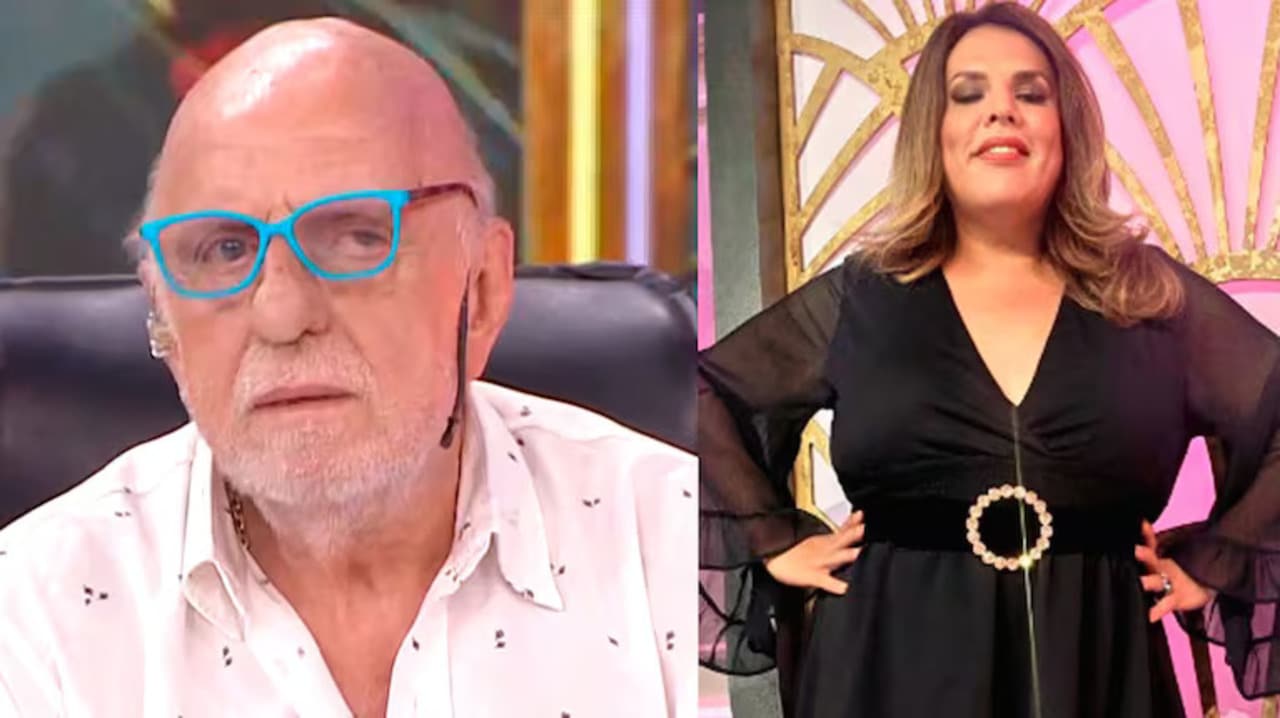
Argentine Broadcaster Faces Criticism After Misgendering Panelist
Buenos Aires – A recent incident involving Argentine sports journalist Horacio Pagani has sparked debate over gender identity and evolving social norms in media. Pagani mistakenly referred to television personality and humorist Costa as “a type” – a phrasing interpreted as a misgendering – during a segment on the show Bendita, broadcast on El Nueve on February 18, 2026. The incident occurred while discussing a prior dispute between Costa and Karina Iavícoli on América TV’s Infama, according to reports from Clarín and Ciudad. The remark prompted immediate correction from fellow panelist Edith Hermida, highlighting the sensitivity surrounding gender identification in public discourse.
The incident comes less than two weeks after Pagani faced scrutiny for comments regarding the role of women in football, as noted by Ciudad. This latest controversy has reignited discussions about the importance of inclusive language and the responsibility of media figures to remain informed about evolving social standards. Pagani’s initial response, as reported by multiple Argentine news outlets, centered on a claim that he hadn’t recognized Costa and was reacting solely to the sound of their voice.
Initial Reaction and Apology
During the broadcast of Bendita, Pagani’s comment, “Yo creí que era un tipo” (“I thought it was a guy”), was met with immediate pushback from Hermida, who clarified that Costa identifies as female. Pagani reportedly expressed surprise, stating he was unfamiliar with Costa. The moment quickly went viral on social media, drawing criticism from viewers and commentators alike.
Costa responde a todo en #PuroShow: a Horacio Pagani, a los comentarios de Beto Casella y Joe Fernández y más.@puroshowok pic.twitter.com/LFDD7lC5KH
— eltrece (@eltreceoficial) February 18, 2026
Following the online backlash, Pagani appeared on La Mañana con Moria, hosted by Moria Casán on El Trece, to address the situation. He explained that he hadn’t seen Costa’s face and was relying solely on their voice, stating, “No vi la cara, sentí una voz de hombre y dije hombre” (“I didn’t spot the face, I felt a male voice and said male”). He further emphasized that he didn’t personally know Costa, adding, “Salvo a vos, Moria, no conozco a nadie” (“Except for you, Moria, I don’t know anyone”). Pagani also alluded to generational differences in language and social norms, suggesting he was “of another time, where there were fewer words and more codes.”
Costa’s Response and Broader Context
Costa, responding to Pagani’s comments during an interview on Puro Show, downplayed the significance of the incident, stating, “No es un chiste, pero tampoco me molesta. Nos hacen cosas muchísimo más graves que esta” (“It’s not a joke, but it doesn’t bother me either. They do much more serious things to us than this”). According to Clarín, Costa added, “Si él de verdad no me conoce está perfecto. Tampoco soy Juana Azurduy” (“If he really doesn’t know me, that’s fine. I’m not Juana Azurduy”). This reference to the 19th-century Argentine military leader appears to be a rhetorical device suggesting she isn’t a figure demanding universal recognition.
Costa also used the opportunity to address other instances of controversial commentary in Argentine media, specifically referencing remarks made by Joe Fernández on Beto Casella’s program. She described such instances as “una barbaridad” (“an outrage”) and emphasized the inadequacy of apologies, stating, “las disculpas no sirven porque no las sienten, no son reales” (“apologies are useless because they don’t feel them, they aren’t real”). This highlights a broader concern about the sincerity of public apologies for insensitive or harmful statements.
Pagani’s History of Controversial Statements
This is not the first time Horacio Pagani has faced public criticism for his remarks. As previously mentioned, he recently sparked controversy with his views on the role of women in football. This pattern of contentious statements has led to calls for greater accountability from media personalities and a more careful consideration of the impact of their words. The incident also touches upon the ongoing debate surrounding “cancel culture” and the boundaries of acceptable speech in the public sphere, a topic Pagani himself addressed during his appearance on La Mañana con Moria, according to Ciudad. He expressed surprise at the current climate, suggesting he is “trying to adapt to the circumstances.”
The case also underscores the increasing visibility and advocacy of LGBTQ+ individuals in Argentine media. Costa, a prominent figure in the entertainment industry, has turn into a vocal advocate for inclusivity and equality. Their measured response to Pagani’s misgendering, while acknowledging the incident, reflects a broader strategy of focusing on more significant issues of discrimination and prejudice.
Looking Ahead
The Argentine Association of Broadcasters (Asociación Argentina de Radiodifusores, AAR) has not yet issued a statement regarding Pagani’s comments. However, the incident is likely to fuel ongoing discussions about media ethics and responsible reporting within the industry. It remains to be seen whether any formal action will be taken against Pagani, but the public outcry and Costa’s measured response have already served to raise awareness about the importance of respectful and inclusive language. The AAR is scheduled to hold its annual conference on March 15, 2026, where media ethics and diversity are expected to be key topics of discussion.
This incident serves as a reminder of the evolving social landscape and the need for media professionals to stay informed about contemporary issues of gender identity and inclusivity. The conversation sparked by Pagani’s remarks is likely to continue, contributing to a broader cultural shift towards greater understanding and acceptance.
What are your thoughts on this incident? Share your opinions in the comments below and join the discussion.