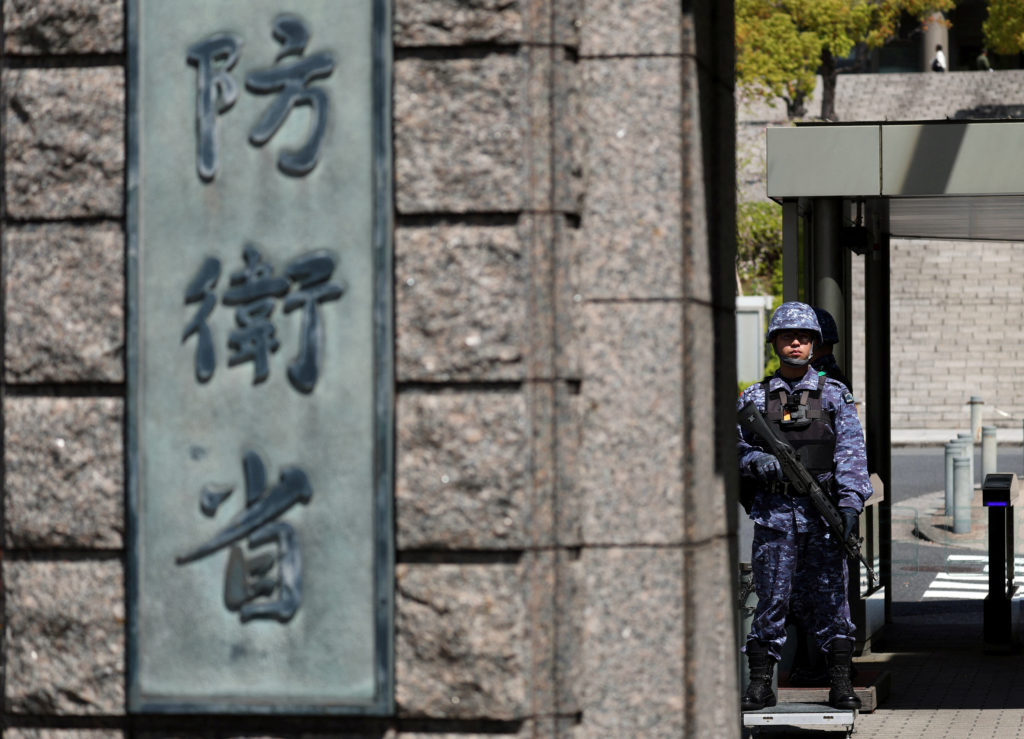
Japan has officially scrapped its longstanding ban on exporting lethal weapons, marking a significant shift in its postwar pacifist policy. The decision, approved by Prime Minister Sanae Takaichi’s Cabinet on Tuesday, April 21, 2026, clears the way for Japan to export advanced military equipment such as next-generation fighter jets and combat drones. This move represents one of the most substantial changes to Japan’s defense posture since the end of World War II and reflects growing security concerns in the Indo-Pacific region.
The policy change comes as Japan accelerates its military buildup in response to increasing regional tensions, particularly from China’s expanding military activities and North Korea’s continued missile development. Government officials say the new guidelines will facilitate strengthen Japan’s defense industry, deepen cooperation with allied nations, and contribute to regional stability. Chief Cabinet Secretary Minoru Kihara stated that the change aims to “ensure safety for Japan and further contribute to the peace and stability in the region and the international society as the security environment around our country rapidly changes.”
Japan’s postwar pacifist stance has been largely defined by Article 9 of its 1947 constitution, which renounces war as a sovereign right and prohibits the maintenance of land, sea, and air forces for warfare. Although Japan has maintained the Self-Defense Forces since 1954 and gradually expanded their role through reinterpretations of self-defense, the export of lethal weapons had remained strictly prohibited for decades. The lifting of this ban marks a clear departure from that long-held interpretation.
The decision has drawn both support and criticism. Defense partners such as Australia have welcomed the change, viewing it as an opportunity to deepen defense cooperation and potentially procure Japanese-made military technology. Interest has also been expressed by countries in Southeast Asia and Europe. However, China has condemned the move, arguing it undermines regional peace and risks triggering an arms race. Domestic critics, including pacifist groups and some constitutional scholars, contend that the policy violates the spirit of Article 9 and could jeopardize Japan’s longstanding commitment to peace.
Supporters of the change argue that Japan’s security environment has evolved significantly since the postwar era, necessitating a more proactive defense strategy. They point to increased Chinese naval activity near Japanese waters, frequent incursions by Chinese aircraft into Japan’s air defense identification zone, and the ongoing threat posed by North Korea’s nuclear and missile programs as justification for enhancing Japan’s defense capabilities and industrial base.
The Japanese government emphasized that the new export policy will include strict safeguards to ensure weapons are not transferred to nations involved in active conflicts or those that violate international humanitarian law. Officials said transfers will be evaluated on a case-by-case basis, considering factors such as the recipient country’s adherence to UN principles, respect for human rights, and alignment with Japan’s foreign policy objectives.
This policy shift is part of a broader trend of Japan increasing its defense spending and capabilities. In recent years, Tokyo has approved record defense budgets, invested in stealth fighters and missile defense systems, and pursued joint development projects with allies like the United Kingdom and Italy on next-generation combat aircraft. The ability to export lethal weapons could now help offset the high costs of such advanced programs by opening international markets for Japanese defense manufacturers.
Legal experts note that while the Cabinet’s approval removes a major policy barrier, further legislative steps may be required to fully implement the new export framework, depending on how the guidelines are structured. The government has not yet disclosed specific timelines for when the first lethal weapons exports might occur, but officials indicated that preparations are underway to establish the necessary licensing and oversight mechanisms.
As Japan redefines its role in regional security, the lifting of the lethal weapons export ban underscores a broader transformation in its national defense policy. Once committed strictly to pacifism and self-defense-only operations, Japan is now positioning itself as an active contributor to allied deterrence and defense technology cooperation.
For ongoing updates on Japan’s defense policy developments, readers can refer to official statements from the Japanese Ministry of Defense and Cabinet Secretariat.
If you found this analysis informative, please consider sharing it with others interested in global security affairs. We welcome thoughtful comments and discussion below.
Related reading
- Extreme Heat Alert: Samcheok Hits 37°C on July 29
- Armed Suspect in Stolen Car Leads High-Speed LAPD Chase Through Los Angeles
- Why Nighttime Heat Is Rising Faster Than Daytime Highs in US Cities (daybreakwire.com)
- US-Iran Conflict Escalates: Attacks on Military Bases and Oil Tankers Spark Global Tension (archyde.com)