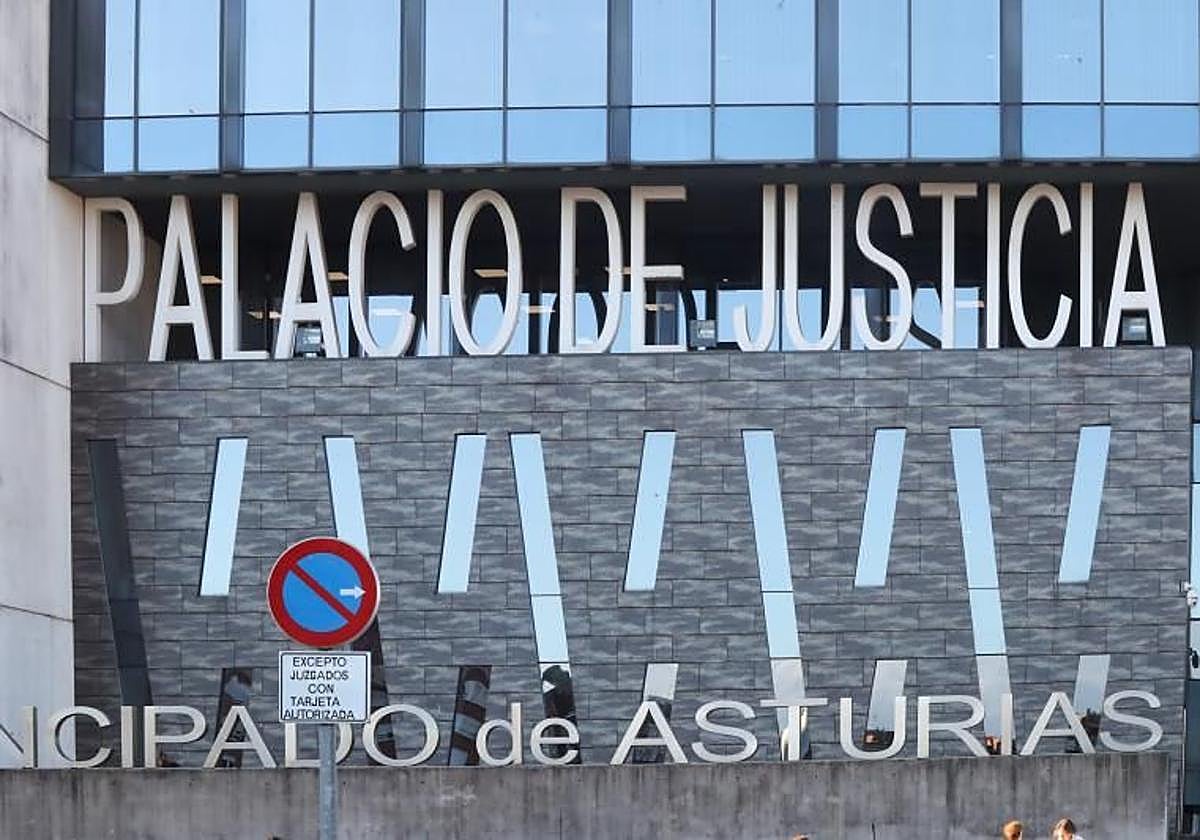
In a rare intersection of judicial relief and unexpected financial windfalls, a recent court ruling has detailed a specific legal pathway allowing an individual to resolve a long-standing mortgage through a combination of a judicial pardon and an inheritance.
The case centers on the application of a court-granted pardon for debts that had accumulated over time, providing the necessary legal framework for the individual to utilize inherited funds to clear their remaining mortgage obligation. This resolution highlights the complex mechanics of debt settlement when judicial interventions override standard creditor-debtor relationships.
For many homeowners globally, the prospect of accumulated debt can lead to a cycle of insolvency. However, this ruling demonstrates how specific legal reliefs can create a window of opportunity for debt resolution, particularly when a sudden influx of capital, such as an inheritance, becomes available to satisfy the remaining balance.
The Financial Mechanics of the Settlement
According to the judicial ruling, the financial resolution was marked by a precise sequence of transactions. The court’s decision highlighted a documented balance of 62,222 euros, which served as the baseline for the final settlement detailed in the court’s findings.
Following the establishment of this balance, a specific charge of 60,000 euros was applied for the cancelación de hipoteca, or mortgage cancellation. This process is the formal legal act of removing the mortgage lien from the property’s title, effectively declaring the debt satisfied and the property free of the lender’s claim.
The ability to execute this cancellation was not a standard transaction but was predicated on the prior judicial pardon. This pardon addressed the “accumulated debts” that had likely made the mortgage otherwise insurmountable, allowing the individual to focus their inherited resources on the core cancellation charge rather than an insurmountable mountain of interest and penalties.
Understanding the Judicial Pardon for Debt
While mortgage settlements are typically handled through private negotiation or bankruptcy proceedings, a judicial pardon represents a more direct court intervention. The pardon served as a legal mechanism to alleviate the burden of debts that had accrued over a significant period.
The significance of such a ruling lies in the “framework” it provided. Without the judicial pardon, inherited funds might have been seized by various creditors or consumed by accumulated interest, potentially leaving the primary mortgage unresolved. By granting a pardon for the accumulated portions of the debt, the court enabled a clean settlement of the mortgage itself.
This approach underscores a critical aspect of financial law: the distinction between the principal obligation and the penalties or interest that accumulate during a period of financial distress. When a court intervenes to pardon these accumulations, it essentially resets the financial clock, allowing the debtor to settle the primary liability.
Broader Implications for Debt Resolution
This case serves as a noteworthy example of how legal relief can interact with sudden liquidity. For financial analysts and legal practitioners, the ruling emphasizes the importance of the “documented sequence” of financial balances. The court did not merely look at the final payment but scrutinized the balance and the subsequent specific charge used to finalize the cancellation.
For the general public, this highlights two key takeaways regarding complex debt:
- The Role of Legal Relief: Judicial interventions can sometimes provide pathways to debt freedom that are not available through standard banking channels.
- Strategic Use of Windfalls: When receiving an inheritance or other windfall, the legal structure of one’s existing debts determines whether those funds can effectively clear a title or if they will be absorbed by secondary creditors.
The resolution of this mortgage through a judicial pardon and inherited funds represents a departure from typical foreclosure or buyout scenarios, offering a glimpse into how courts can facilitate the return of property ownership to individuals under specific, documented circumstances.
Key Case Details
| Financial Element | Amount/Status |
|---|---|
| Documented Balance | 62,222 euros |
| Mortgage Cancellation Charge | 60,000 euros |
| Primary Funding Source | Inheritance |
| Legal Catalyst | Judicial pardon for accumulated debts |
The finality of this case rests on the formal cancelación de hipoteca, ensuring that the property is legally decoupled from the debt. As this ruling provides a precedent for the use of judicial pardons in conjunction with inherited assets, it may be cited in future cases involving accumulated debt and property recovery.
There are currently no further scheduled hearings or official updates regarding this specific ruling. We encourage readers to share their thoughts on judicial debt relief in the comments below.
Worth a look