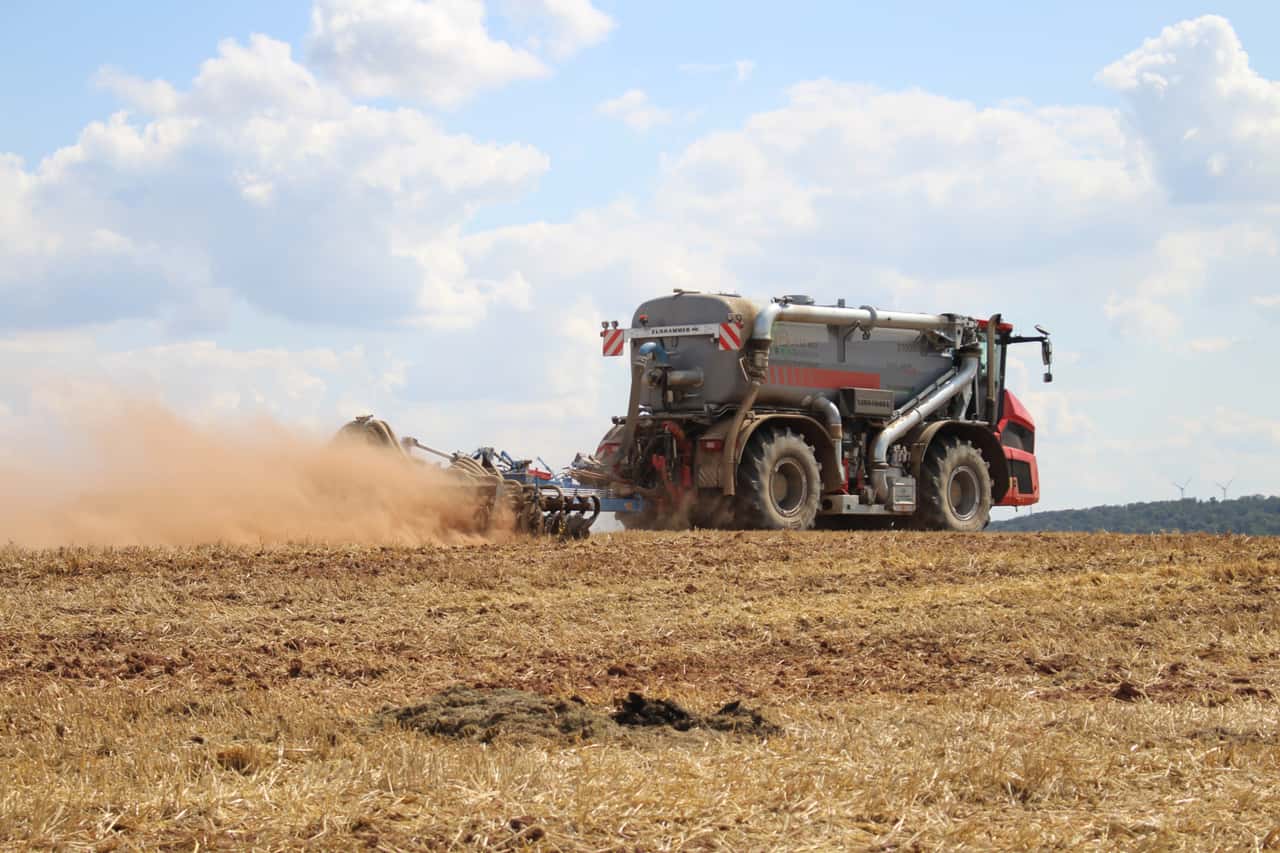
Judicial rulings in Saxony and Thuringia have effectively invalidated the designations of “red areas”—zones subject to stringent fertilizer restrictions—within those states. This legal shift removes significant regulatory requirements for autumn fertilization, providing farmers with greater operational flexibility. The decisions follow a series of legal challenges questioning the methodology used to identify nitrate-polluted groundwater areas, a process that has faced increasing scrutiny from both agricultural associations and regional administrative courts.
According to the Thuringian Ministry for Agriculture and Rural Areas, the state is currently in the process of adjusting its regulatory framework to comply with the court’s findings. The designation of red areas, which were implemented to meet European Union nitrate directives, mandated specific reductions in nitrogen application, typically 20% below the plant’s actual requirement. With these zones now contested or struck down, the mandatory reduction requirements for the upcoming fertilization cycles are no longer legally enforceable in the affected districts.
In Saxony, the situation mirrors these developments as the state government reviews its water protection maps. The legal disputes centered on whether the authorities had sufficiently differentiated between groundwater basins and specific agricultural practices when assigning the “red” status. As reported by the Saxon State Ministry for Energy, Climate Protection, Environment and Agriculture, the court’s intervention highlights the necessity for more precise, data-driven mapping rather than broad regional designations that impact vast swaths of farmland indiscriminately.
Regulatory Implications for Autumn Fertilization
The primary impact of these rulings concerns the application of fertilizer in the autumn months. Under the previous “red area” regulations, farmers were prohibited from applying mineral or organic fertilizers on certain crops after harvest, or were subject to strict tonnage caps designed to prevent nitrate leaching into groundwater during the winter. With the court-ordered suspension or removal of these designations, these specific prohibitions have been lifted in the contested regions.
Farmers are advised, however, that the removal of red area status does not equate to a total deregulation of nutrient management. The general provisions of the German Fertilizer Ordinance (Düngeverordnung) remain in effect. These include the requirement to calculate nutrient needs based on soil analysis and the prohibition of fertilization on frozen, waterlogged, or snow-covered ground. While the administrative burden of the “red” designation has been removed, the underlying environmental goal of preventing nutrient runoff remains a central component of federal agricultural policy.
The Path to Revised Nitrate Mapping
The legal challenges in Saxony and Thuringia are part of a broader trend across Germany, where agricultural producers have sought judicial review of state-level implementation of the EU Nitrates Directive. Critics of the existing maps, including various regional farming unions, have long argued that the criteria for designating a “red area” were insufficiently transparent and failed to account for localized hydrological data. By seeking legal redress, these groups forced state ministries to re-evaluate their data collection methods.
Official guidance from the regional agricultural chambers suggests that farmers should continue to monitor local bulletins for updates on mapping. The process of updating these maps is ongoing, and authorities are expected to introduce more granular, site-specific monitoring stations to satisfy judicial requirements for accuracy. This shift toward a more localized approach is intended to ensure that only regions with demonstrably high nitrate levels face the strictest regulatory burdens, rather than entire administrative districts.
Stakeholder Impact and Future Requirements
For the agricultural sector, the removal of these restrictions provides a reprieve from the logistical and economic challenges associated with reduced fertilizer use. Many farmers had reported difficulties in maintaining crop quality and yield targets under the previous restrictions, particularly regarding nitrogen-dependent crops such as winter wheat and oilseed rape. By restoring the ability to fertilize according to standard agronomic practices, producers expect a return to more predictable crop management cycles.
The next major checkpoint for this issue will be the publication of updated, court-compliant nitrate maps by the respective state ministries. These new maps will define the next phase of regulatory compliance. Farmers and agricultural consultants are encouraged to consult their local district offices or state agricultural portals for the most current information regarding their specific field locations, as the status of individual parcels may change once the updated mapping data is finalized and legally adopted by the state legislatures.
As this situation remains dynamic, farmers are urged to document their fertilization activities thoroughly to ensure compliance with the remaining federal standards. For further updates on the legal status of specific regions, readers may track announcements from the Thuringian Ministry for Agriculture and Rural Areas and the Saxon State Ministry for Energy, Climate Protection, Environment and Agriculture. We welcome your questions and comments regarding how these changes are affecting your local agricultural operations.
Related reading